


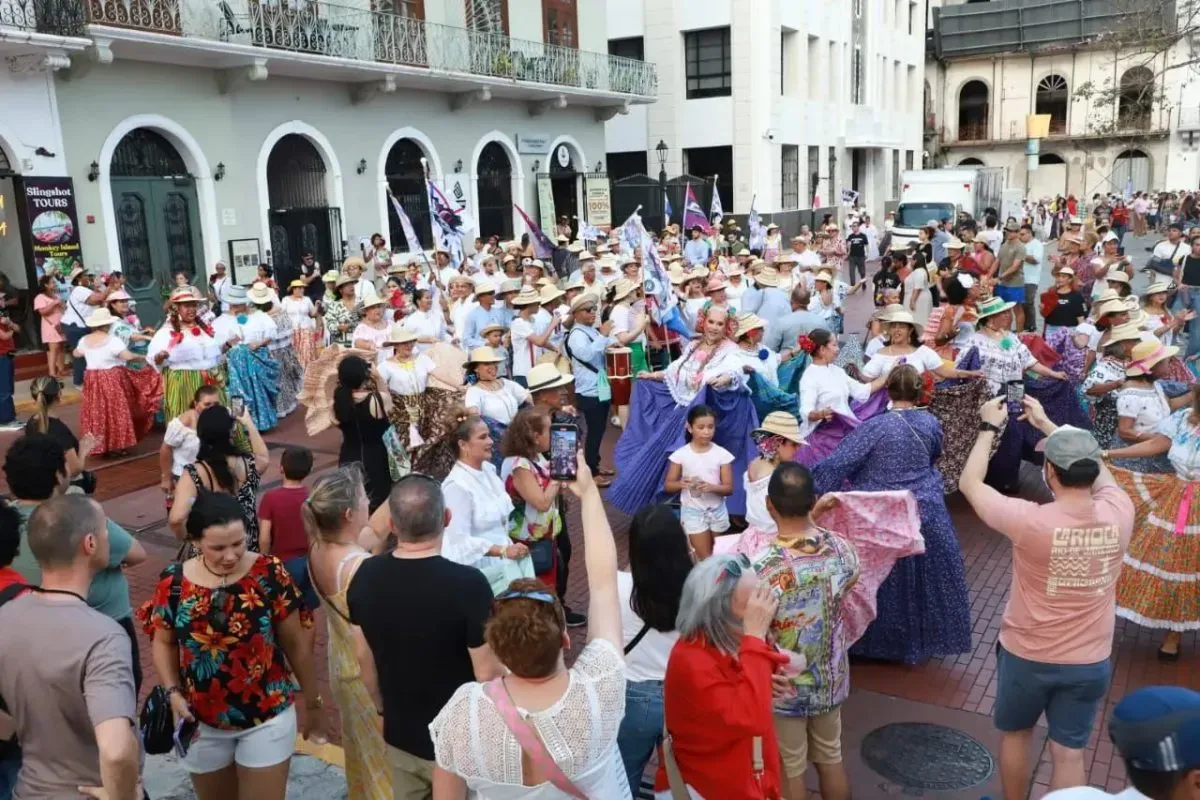
Business owners in Panama City’s historic district are calling for urgent security reinforcements following a noticeable increase in petty theft and pickpocketing. A meeting between merchants, residents, and local authorities was held this Tuesday to address growing concerns that crime could deter tourism in one of the capital’s most iconic areas.
The historic Casco Antiguo, Panama district remains a primary attraction for both domestic and international visitors. Merchants now report that minor crimes have become increasingly frequent, directly damaging the area’s perception of safety. They argue that without immediate action, the vibrant local economy supported by Tourism in Panama could suffer significant losses.
“We are overrun with pickpockets and people assaulting tourists, so that obviously affects us because tourists no longer want to come here,” said local merchant Mario Sánchez. [Translated from Spanish]
District representative Mario Kennedy pointed to specific security gaps enabling these crimes. He explained that certain buffer zones lack sufficient coverage from both tourist police and the national force, creating vulnerabilities criminals quickly exploit. This limited presence in key areas leaves both businesses and visitors exposed.
Coordinated Response and Community Solutions Proposed
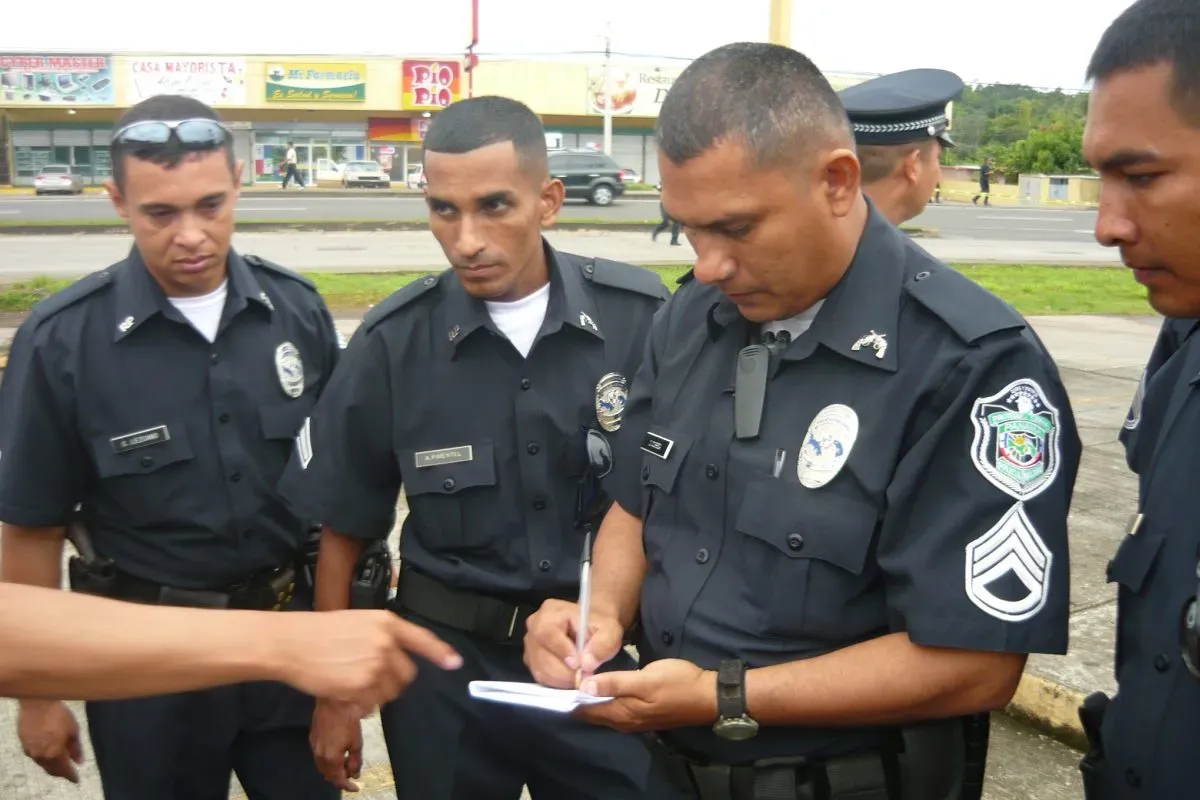
During the community meeting, participants outlined a multi-faceted strategy to reclaim security. Their primary request involves a visible and consistent increase in police patrols throughout the district’s streets and plazas. They also emphasized the need for better coordination between the private sector and law enforcement agencies.
Gasparín Belandria, president of the ARHCA merchants association, highlighted how existing commercial resources could aid prevention. Many shops already use external surveillance cameras that record public spaces. Belandria suggested formally integrating this private network into a broader security strategy to identify potential offenders before crimes occur.
“We want a greater police presence and also to amalgamate the pillars so there is better communication between commerce and the authorities,” Belandria stated. “All businesses have surveillance cameras that record their surroundings, and from there, profiles of people who may commit a crime can be identified.” [Translated from Spanish]
Beyond immediate policing, attendees advocated for longer-term social programs. They called for resocialization initiatives to ensure the economic benefits of tourism reach wider segments of the community in San Felipe, Panama City. The goal is a dual approach combining deterrence with social investment to address root causes.
Broader Infrastructure Challenges Compound Security Concerns
Merchants and investors at the meeting expanded the discussion beyond crime. They listed several persistent infrastructure issues requiring government attention. Needed improvements include public bathroom facilities, road repairs, and reliable water supply solutions. These deficiencies, they argue, detract from the visitor experience and overall urban management.
Official spokespeople from the executive branch acknowledged the complaints. They confirmed that several of the raised topics are currently under evaluation. Potential advances or solutions could materialize within the coming months according to government statements. The pressure is now on for those promises to translate into tangible action on the ground.
The situation underscores a common challenge for historic urban centers globally. Balancing preservation, tourist appeal, and resident safety requires continuous investment and adaptive strategies. For Panama City, the health of the casco antiguo is a direct indicator of downtown vitality. Allowing security to deteriorate risks a cycle of declining visits and economic strain for local enterprises.
Business owners are now watching closely. They expect follow-up meetings and concrete plans from the coordinated security forces. Their message is clear. Protecting the district’s charm and economic engine is not just a police matter but a fundamental priority for Panama’s cultural and tourist identity.