



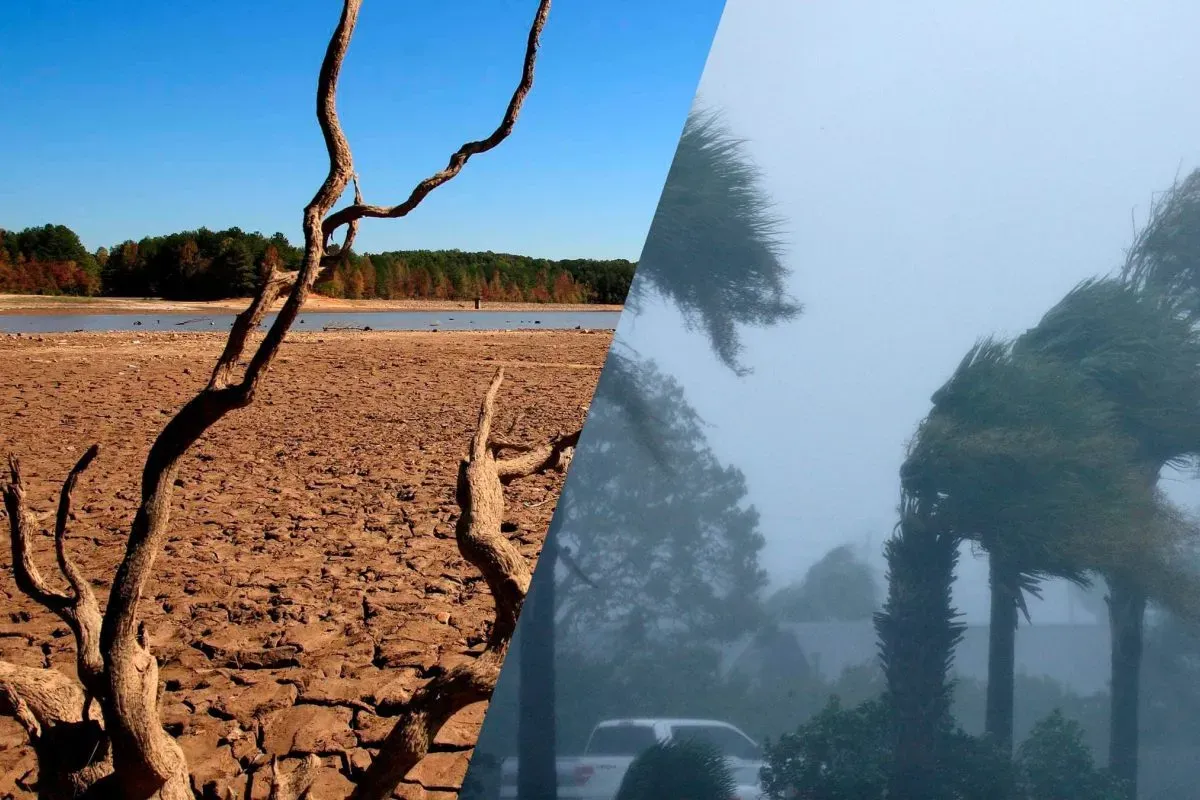
The emergency declaration Panama approved on Tuesday, August 25, 2026, arrives as nearly eleven hydrographic basins across the country struggle with dangerously low water levels. Government officials said the measure gives them the legal tools to respond quickly to a climate event that has already triggered a 60 percent precipitation deficit on the Pacific side while simultaneously causing flooding risks in the Caribbean.
The decision, made during a Cabinet Council session, reflects growing concern about what meteorologists describe as an unusually fast-moving and powerful El Niño. Rather than waiting for conditions to worsen, authorities decided to activate special procurement procedures that will allow them to buy supplies, services, and works without the typical bureaucratic delays.

Emergency Declaration Panama and Government Preparedness Measures
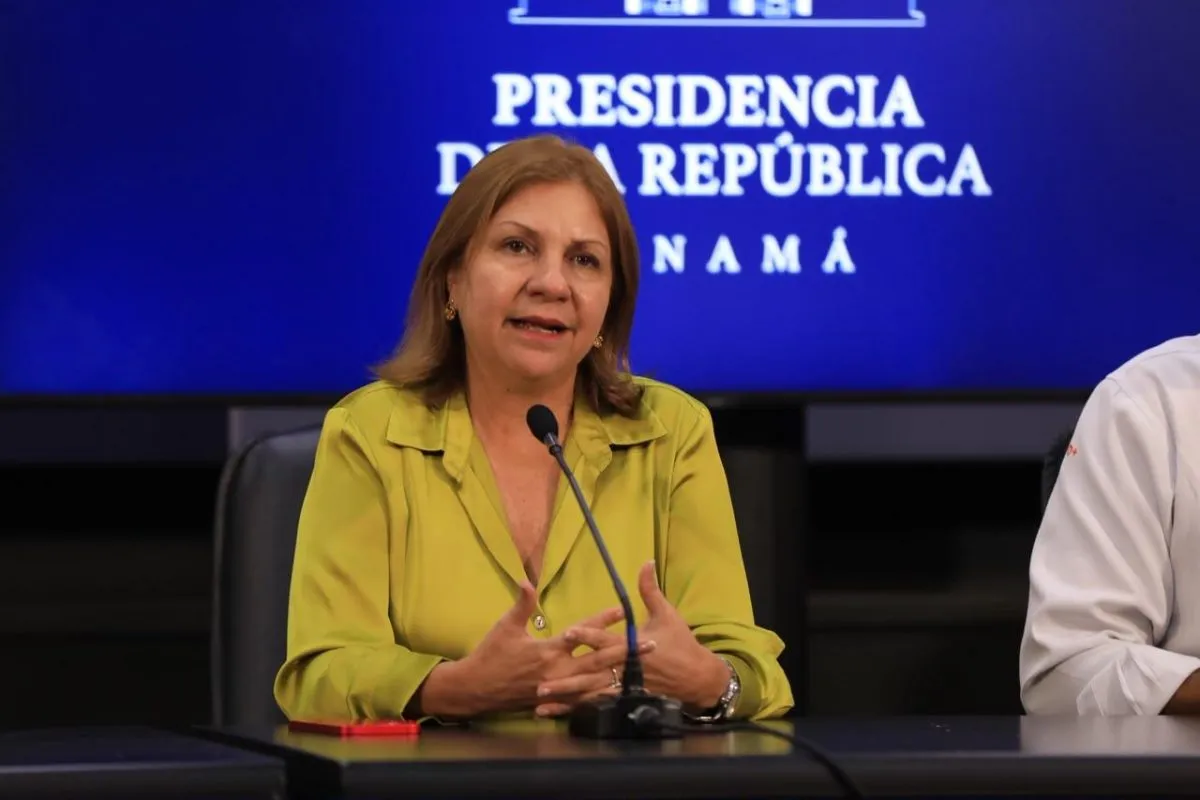
Minister of Government Dinoska Montalvo explained that the emergency measure stems from the need to stay ahead of the curve. She emphasized that officials want to be ready not just for flooding scenarios but also for the drought complications that threaten national agricultural production. The declaration simplifies administrative processes and permits direct public contracting, something Montalvo said will prove essential when rapid intervention becomes necessary.
Omar Smith, director of the National Civil Protection System, known as Sinaproc, noted that response actions have already begun in Bocas del Toro, the Ngäbe Buglé indigenous region, and Colón province because of heavy rainfall. Those areas have experienced the opposite problem from the rest of the country, with Boca del Toro registering 25 percent more precipitation than normal.
The emergency declaration Panama issued marks a significant escalation in the government’s approach to managing climate-
risks. By invoking the special measure now, officials aim to avoid the kind of delays that often hamper disaster response efforts during critical windows. This proactive stance represents a shift from reactive crisis management toward anticipatory action, at least in terms of administrative readiness.
Meteorological Data Reveals Dramatic Rainfall Disparity
Luz Graciela de Calzadilla, director of Panama’s Institute of Meteorology and Hydrology, known by its Spanish acronym Imhpa, confirmed that her agency declared El Niño‘s arrival on May 12. Since then, weather monitoring stations across the country have documented a troubling pattern that splits Panama into two contrasting realities.
The Pacific watershed has seen rainfall deficits of up to 60 percent between May and August, a figure that has serious implications for agriculture, hydroelectric generation, and drinking water treatment. Calzadilla described the situation in stark terms, noting the stress on river systems that feed both power plants and water purification facilities.
‘We have almost 11 hydrographic basins in water stress. That means the river levels are very low. We have complications for the hydroelectric plants and for the water treatment plants’ [Translated from Spanish]
The precipitation imbalance has also reshaped Panama’s agricultural calendar. Farmers on the Pacific side face early drought conditions that could damage crops, while those in eastern and Caribbean regions contend with saturated soils and flood risks. This geographic divide complicates national planning, as no single response strategy fits all affected communities.
El Niño Projections and the Road to May 2027
The current El Niño event has been classified as very strong and has evolved with unusual speed. Calzadilla projected that the phenomenon will persist until May 2027, with peak temperatures in the equatorial Pacific expected between October and December of this year. That timing means an earlier than normal start to Panama’s dry season, which traditionally begins in December or January.
‘El Niño is in a very strong category and has evolved very quickly. It is supposed that in October, November and December it reaches the peak of temperatures in the equatorial Pacific, that means we will have the early arrival of the dry season’ [Translated from Spanish]
Meteorological maps showing accumulated precipitation anomalies from May through July reveal how quickly conditions deteriorated. May brought widespread deficits across western and central Panama, June worsened the situation in eastern regions, and July showed a marked rebound in Caribbean sectors while the Pacific remained unusually dry. These shifting patterns reflect the complex atmospheric dynamics El Niño creates over Panama’s narrow geography.
For hydroelectric operations, the stakes are particularly high. Panama relies heavily on water resources for power generation, and the extended period of reduced rainfall could strain the country’s energy infrastructure. Water treatment facilities also face pressure as river levels drop, creating supply challenges for urban and rural communities alike.
Ante los efectos del fenómeno de El Niño, se declara el estado de emergencia. En conferencia de prensa, la ministra, junto al Gabinete de Riesgo, informó sobre las acciones que se desarrollan para atender la emergencia, reducir sus impactos y proteger a la población. pic.twitter.com/8028hzqbT2
— Ministerio de Gobierno de Panamá (@MinGobPma) August 25, 2026
Regional Impacts and Community Response Strategy
While the Pacific side braces for continued dry conditions, communities along the Caribbean coast and in the western highlands are dealing with the opposite extreme. Smith confirmed that Sinaproc’s ongoing operations focus on three areas where heavy rains have created immediate risks, namely Bocas del Toro, the Ngäbe Buglé comarca, and Colón. These regions have seen infrastructure damage and displacement risks associated with flooding and landslides.
The dual nature of the emergency, with flood response in some areas and drought management in others, tests Panama’s national disaster preparedness framework. The emergency declaration provides a unified legal mechanism that lets authorities address both scenarios without having to seek separate legislative approval for each expenditure.
Agricultural producers on the Pacific dry arc will likely feel the economic effects first. The reduced rainfall has already complicated planting schedules and water access for livestock operations. Government officials acknowledged these pressures during the announcement, framing the emergency measure as a way to ensure resources are available when specific interventions become unavoidable.
As Panama navigates the months ahead, the success of this emergency response will depend on how effectively national agencies coordinate with local authorities. The legal framework is now in place, the meteorological outlook is clear, and the geographic picture is well documented. What remains is the operational challenge of translating this preparedness into tangible protection for communities, infrastructure, and productive sectors across a country facing two very different emergencies at once.