


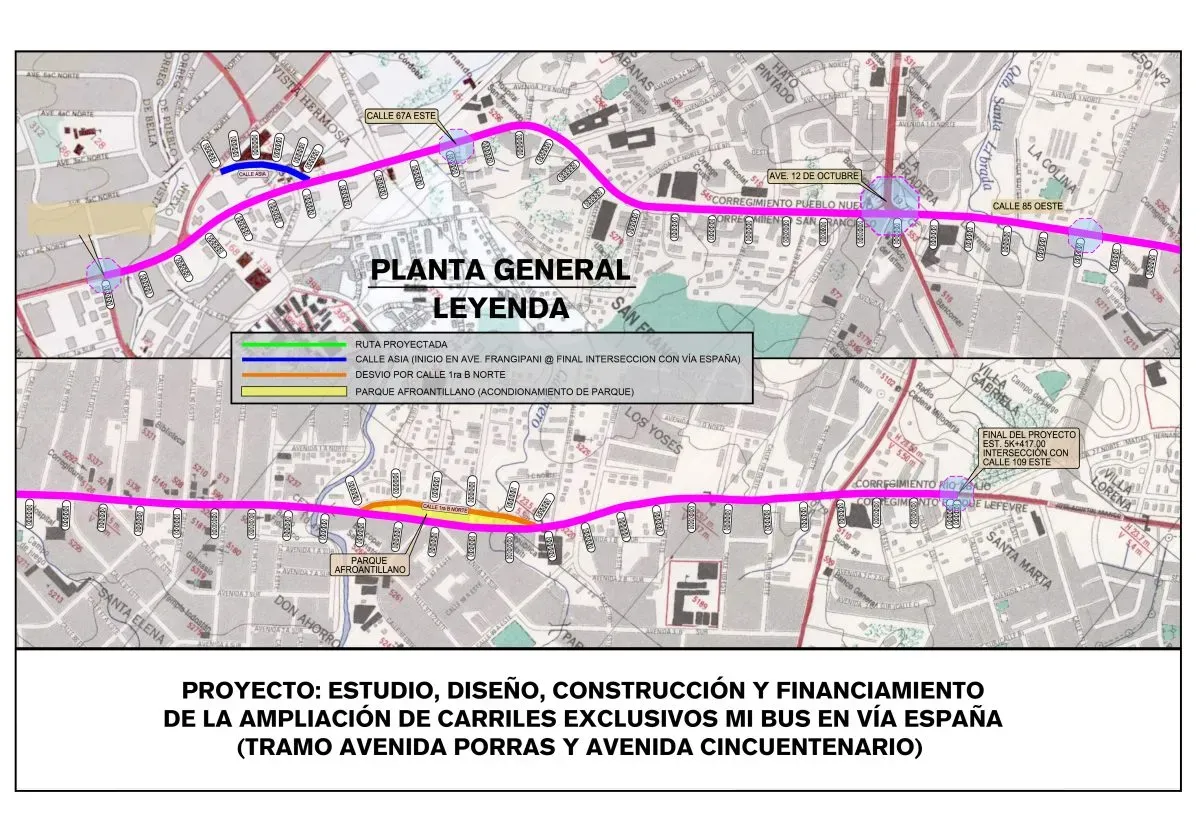
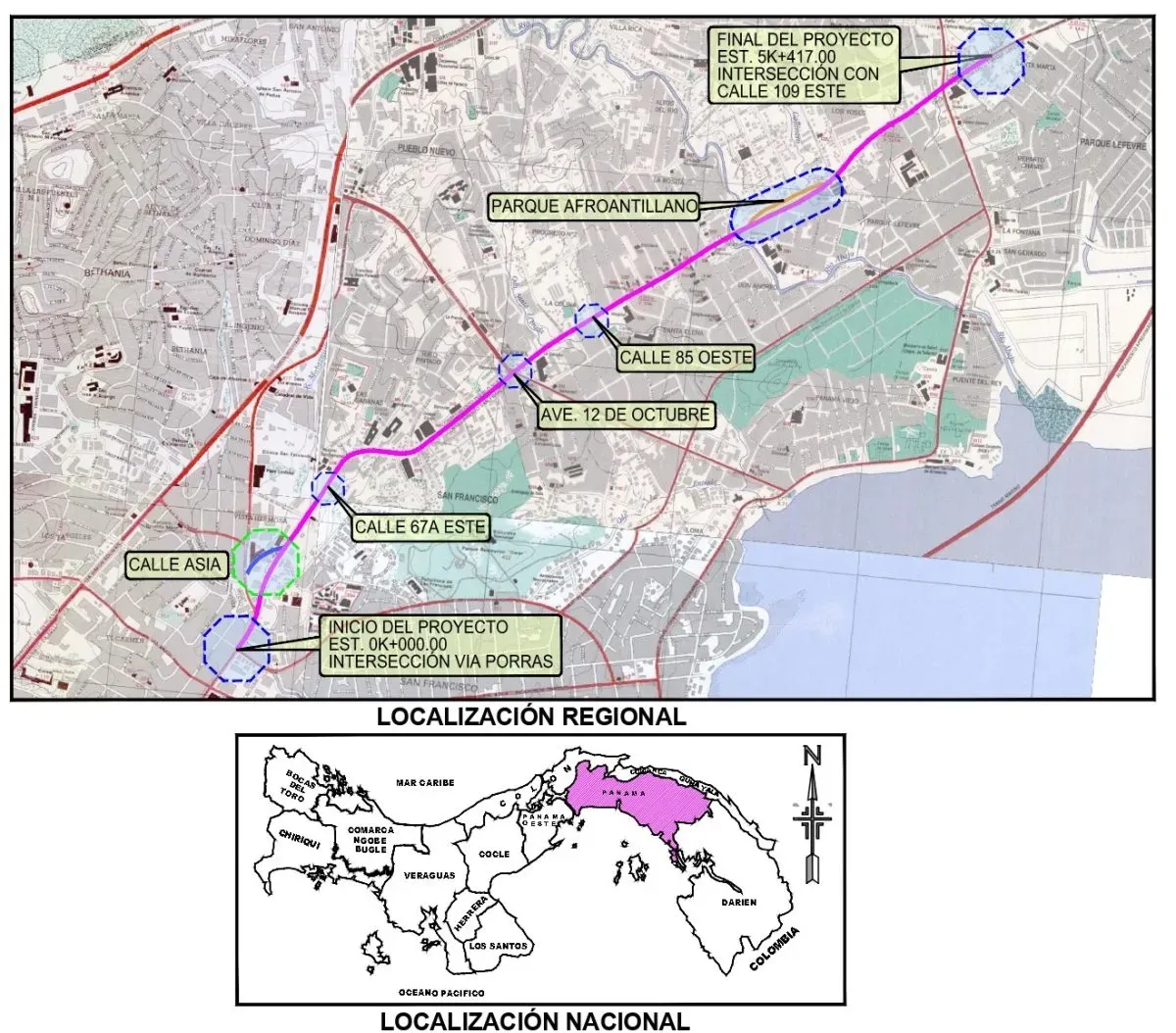
Residents of Panama City’s Parque Lefevre and Rio Abajo neighborhoods are raising alarms over the widespread removal of mature trees for a major road expansion project. The Ministry of Public Works (Panama) is moving forward with an $80 million plan to widen Via España and add an exclusive lane for the Metrobus (Panama) system. Community representatives say the project is proceeding without sufficient notice or a plan to preserve the area’s urban canopy.
Crews have already marked numerous trees along the busy corridor with red paint, signaling their imminent removal. The loss of these trees, which provide essential shade and cooling in the tropical city, has sparked immediate concern among locals who value the green space. The project aims to improve traffic flow and public transit efficiency but is now facing criticism for its environmental and social impact.
Community Leader Decries Lack of Communication
Rodolfo Rodriguez, the representative for parque lefevre, expressed deep frustration with the process. He confirmed that while a preliminary meeting was held to discuss the project’s scope, officials failed to provide critical follow-up details. Residents were never told exactly when tree removal would begin or given a chance to identify which specimens could be saved.
“We requested that they notify us to see which trees could be saved. Unfortunately, they did not notify us and they cut them down,” Rodriguez stated. [Translated from Spanish]
He specifically lamented the loss of several young Guayacan tree specimens planted in a local plaza. These trees had grown considerably in just one year and were potentially viable for transplantation. Rodriguez argues that any modern urban project must integrate green spaces, which are vital for supporting local wildlife, reducing urban heat, and creating pedestrian-friendly environments.
Broader Impacts on Local Businesses and Environment
The controversy extends beyond tree removal. rodolfo rodr also highlighted issues facing small business owners operating within the road’s right-of-way. He explained that these entrepreneurs have received eviction warnings but no meaningful dialogue to help them relocate or find space within the new development plan. This lack of mediation adds another layer of disruption for the community.
Environmental concerns are equally pressing. Residents are now demanding a full and transparent inventory of which trees are slated for removal. Particular worry surrounds slow-growing native species like Panama, Roble, and Guayacan trees. These species form part of the area’s natural heritage and take decades to reach maturity, making their loss felt for generations.
The Ministry of Public Works was contacted for comment on these specific community grievances. Officials, however, indicated that project engineers were in meetings and could not provide statements before publication deadline. This lack of immediate response has further fueled residents’ feelings of being sidelined in a project that directly alters their community.
The situation on Via España underscores a recurring challenge in urban development. Balancing infrastructure progress with environmental preservation and community input remains difficult. For the residents of Parque Lefevre, the project’s legacy will be judged not just by improved traffic, but by what is left standing when the construction crews depart.