


Panamanian government officials unveiled a new fifteen-year National Energy Plan this Thursday, outlining a strategy to reduce fossil fuel dependence and achieve universal electricity access. The Secretary of Energy led the launch event for the 2026-2040 roadmap, which aims to diversify the nation’s energy matrix and attract long-term investment.
The plan’s presentation included key figures like Minister of the Presidency Juan Carlos Orillac, Energy Secretary Rodrigo Rodríguez, and Comptroller General Anel Flores. Officials from consumer protection and public services authorities also attended. A central goal is closing the electricity access gap for communities still lacking reliable power while shifting toward more sustainable energy sources.
Bioethanol Bill Debate Central to New Energy Strategy
One major topic discussed was pending legislation to mandate bioethanol blending in fuels. The bill, currently under debate in Panama’s National Assembly, proposes a compulsory 10 percent ethanol mix, a point that has drawn questions during recent public consultations across several provinces.
Minister Orillac defended the mandatory nature of the blend, arguing it provides essential certainty for investors needed to build local production capacity. He stated that without a guaranteed market, development would stall.
“If the necessity for the blend is not established, this production cannot be guaranteed. Who will make an investment if they are later told it is optional?” [Translated from Spanish]
Orillac estimated that domestic bioethanol production could keep over 70 million dollars within Panama’s economy. That money currently leaves the country through fuel imports. This initiative is a pillar of the broader National Energy Plan to bolster energy security.
Regional Electrical Interconnection Project Advances
The long-discussed Panama-Colombia electrical interconnection project also featured in the launch. Orillac confirmed the government is finalizing consultations with indigenous regions where the infrastructure would be located. This step is required before determining a final bidding scheme with Colombia.
He expressed hope to conclude these talks within one to two months. A specific timeline for the tender process was not provided, highlighting the project’s complex cross-border nature. This interconnection is viewed as critical for regional energy stability and diversification.
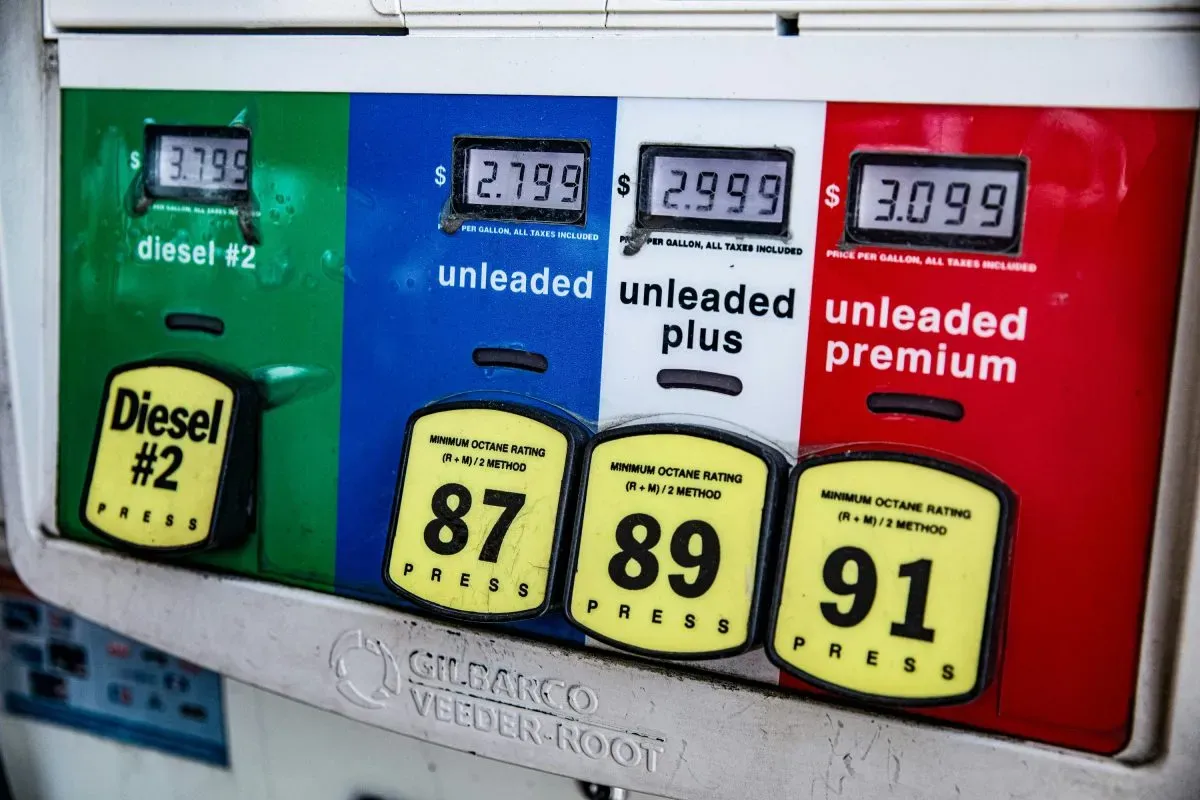
Officials additionally addressed global oil price volatility linked to Middle East tensions. They acknowledged that prolonged conflict could impact international fuel costs, underscoring the national plan’s focus on reducing external vulnerability. The new energy plan framework seeks to establish a clear path for cleaner energy and sector investment for the coming decades.