


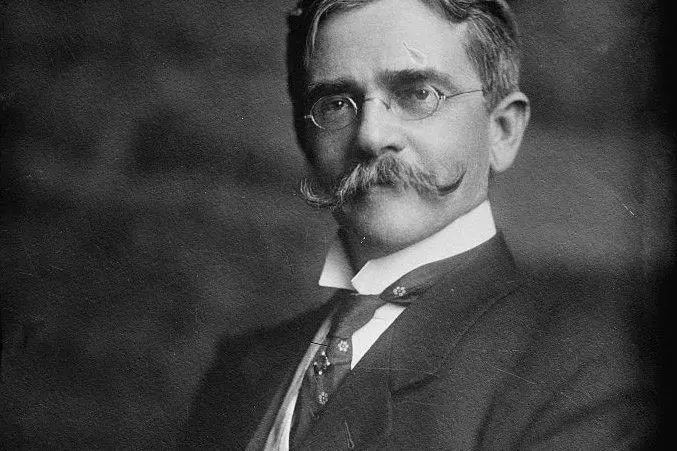
A documentary exploring the life and legacy of a foundational Panamanian president has premiered at a major European film festival. “Belisario: Architect of a Nation” was presented at the Málaga Film Festival in Spain on March 10, marking a significant moment for Panama’s cultural outreach. The film focuses on Belisario Porras, a three-time president credited with shaping the early institutional framework of the republic.
Directed by Panamanian filmmaker Alberto Serra, the project was produced by the Belisario Porras Foundation. Its selection for the festival’s MAFiZ Specials section placed it before an audience of international film industry professionals. This platform is reserved for projects deemed relevant to the global cinematic conversation, offering a rare spotlight for a historical documentary from Central America.
“This is Panama telling its own story, not from nostalgia, but from memory,” said Fernando Aramburú Porras, president of the Belisario Porras Foundation, who attended the premiere. [Translated from Spanish]
The festival appearance represents a strategic step for Panama’s growing audiovisual sector. It signals an ambition to share nationally-produced narratives on prestigious international stages. The documentary’s subject matter moves beyond personal biography to examine the vision of public works and state-building that defined Porras’s leadership.
The Architect of Modern Panama
Belisario Porras served as president of Panama during three separate terms in the early 20th century. His administrations oversaw a period of intense national construction following independence from Colombia. Historians often refer to him as a primary architect of the Panamanian state, emphasizing his focus on institutional development.
His legacy is physically etched into the country’s infrastructure. Officials credit his government with initiating over one hundred public works projects. These included roads, hospitals, schools, and government buildings that helped connect and define the nascent nation. This push for modernization forms the core narrative of the documentary, connecting historical policy to contemporary national identity. The film argues that nations are built by remembering those who first imagined them.
For the foundation bearing his name, the Málaga screening culminates a long archival process. The project transformed family memories, historical documents, and academic research into a cinematic format. Seeing that work received at a major festival validates their mission of cultural preservation. It also provides a new model for engaging younger generations with foundational history.
A Symbolic Moment for National Cinema
The presence of a Panamanian historical documentary in Málaga carries deep symbolic weight for the country’s filmmakers. It points to a growing maturity within an industry that has worked for decades to gain international traction. The festival is one of the most influential for Spanish-language cinema, making its selection a notable achievement.
Alberto Serra’s direction aims to make Porras’s early 20th-century vision feel immediate and relevant. The film suggests the challenges of building a coherent state from diverse regions remain pertinent today. By focusing on a figure like Belisario Porras, the documentary engages in a broader Latin American conversation about nation-building and historical memory.
This international presentation comes as Panama actively promotes its locations and talent to the global film industry. The country has increased incentives and support for audiovisual production, hoping to become a regional hub. A project like this demonstrates the depth of local stories available for development, complementing the push for more international Belisario Porras projects filming within its borders.
The documentary’s journey from archive to international screen reflects a modern cultural ambition. It shows a country confident enough to interpret its own history for a global audience. The premiere in Málaga, far from the streets and institutions Porras helped build, created a temporary bridge across the Atlantic. For the duration of the film, a piece of Panama’s republican history belonged to the world.
Future screenings and distribution plans for “Belisario: Architect of a Nation” are now under discussion following its festival debut. The foundation hopes the film will have a long life in educational and cultural circuits within Panama and abroad. Its success may inspire similar deep dives into the figures and moments that shaped the isthmus nation, proving that local history has universal appeal when told with cinematic craft.