


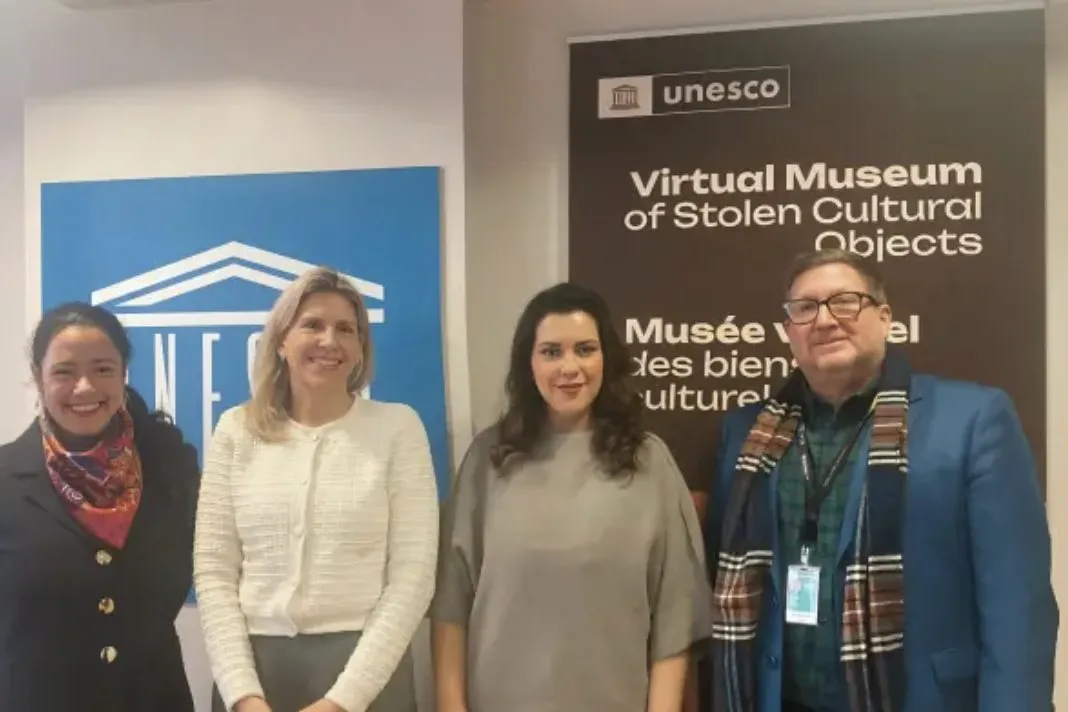
Panama is collaborating with UNESCO to develop its museums and protect its cultural heritage. A high-level meeting in Paris this week established a framework for technical training and combating illicit artifact trafficking.
The delegation from Panama met with key UNESCO officials to discuss a multi-year cooperation strategy. This dialogue focused on implementing international standards for museums within the Central American nation.
Ana Elizabeth González, director of the Panama Canal Museum and president of ICOM Panama, led the talks. She stated the partnership is crucial for the sector’s future.
“This relationship with UNESCO reaffirms our commitment to a solid museum sector aligned with international standards,” González said. [Translated from Spanish]
Immediate next steps include developing a joint agenda for specialized training programs. Both parties plan to explore Panama’s involvement in global heritage security initiatives.
Focus on Heritage Protection and Innovation
The meeting produced concrete proposals for collaboration. A primary focus is enhancing the fight against the illicit trafficking of cultural goods.
Panama expressed interest in joining the UNESCO Recommendation concerning the Protection and Promotion of Museums and Collections. The country also aims to participate in the UNESCO Virtual Museum of Stolen Cultural Objects. This global platform helps track and recover lost heritage items.
Officials from UNESCO’s Museums and Movable Heritage Unit were present. They discussed providing expert guidance to Panamanian institutions. This support could prove vital for regional security, especially considering challenges like the illegal gold mining surge in Panama’s Darien region which threatens archaeological sites.
Building a Modern Museum Framework
Cooperation will extend beyond security into modernization. The talks opened avenues for joint research and the use of innovation in museums.
Specific discussions covered the potential application of artificial intelligence for collection management and public engagement. The parties also considered organizing joint activities for MuseumWeek 2026, a major international cultural event.
This partnership aligns Panama’s cultural policies with frameworks advocated by the International Council of Museums (ICOM). It follows other national efforts to elevate its cultural profile, similar to the process for selecting its 2026 Venice Biennale art ambassadors.
Panama’s permanent delegate to UNESCO, Ambassador Tomás Guardia, attended the meeting. His presence underscored the diplomatic importance of the cultural sector for the Panamanian government.
The agreed technical dialogue will now transition to action. Working groups are expected to form soon, tasked with turning these collaborative goals into funded projects and tangible programs for Panama’s museums.