


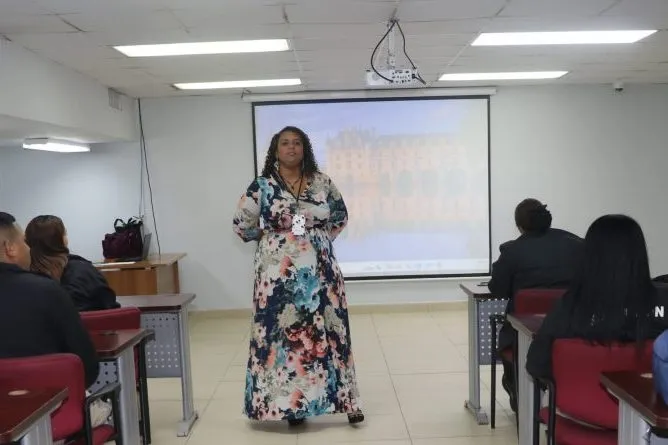
The National Migration Service (Panama) recently hosted a special film debate for its staff. This event aimed to spark reflection on disability and inclusion within the government agency.
Organized through the Office of Gender Equity and Equal Opportunity (OEGEO) from the Ministry of Security, the session used cinema as a catalyst for conversation. Employees gathered to analyze the experiences and challenges faced by people with disabilities, viewing them through a narrative lens.
Officials described the forum as a key step in building a more empathetic institutional culture. It provided a structured yet open space for staff to share perspectives they might not encounter in their daily work.
“This space allowed for an open and constructive dialogue about inclusion, raising awareness about the importance of understanding the realities lived by different groups in society,” a statement from the service noted. [Translated from Spanish]
The immediate impact is a workforce encouraged to consider new viewpoints. Participants engaged in collective learning, which organizers hope will translate into more respectful and equitable service for the public.
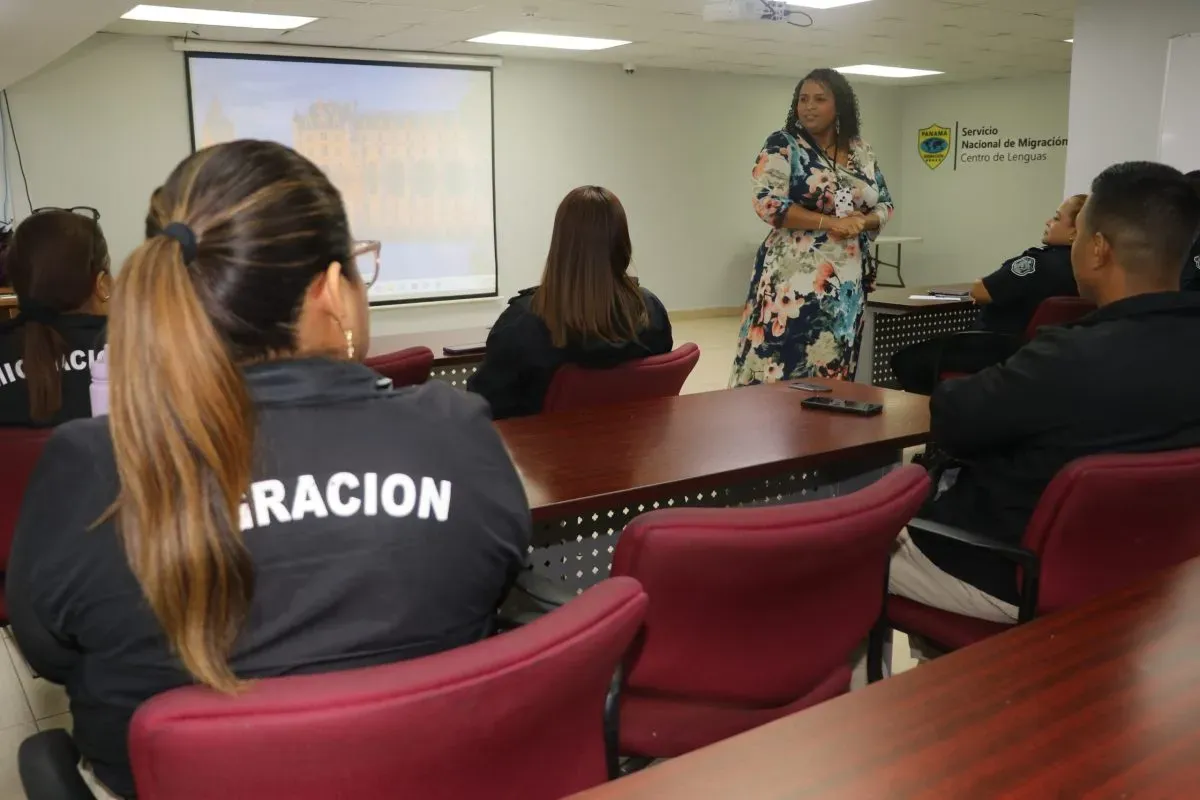
Building a Culture of Empathy in Public Service
This initiative is not an isolated event. It forms part of a broader commitment by the Migration Service to integrate social awareness into its operations. The agency seeks to develop increasingly inclusive environments both for its employees and for the individuals it serves.
By focusing on disability inclusion, the forum addressed a critical aspect of social equity. The film medium helped personalize abstract concepts, making the discussion more accessible and impactful for all attendees.
Promoting gender equity and equal opportunity remains a parallel goal for the OEGEO office. Activities like this film debate are practical tools to advance those principles from policy into daily practice.
The service’s leadership views such internal education as foundational. They argue that a team exposed to diverse perspectives is better equipped to handle complex human situations, a constant in migration management. This aligns with ongoing efforts by the broader servicio nacional to improve its protocols and public engagement.
Future actions are expected to follow, continuing to strengthen social consciousness within the institution. The ultimate objective is a service model defined by empathy, respect, and genuine equality of opportunity for everyone.