


A major new exhibition in Panama City is challenging historical narratives by showcasing art created exclusively by women. The Museum of Contemporary Art of Panama (MAC Panamá) opened “Musa: Female Perspectives” this month, a collaborative show featuring works from its own collection and that of the Museum of Modern Art of Medellín (MAMM). The exhibition, which runs through February 2026, directly confronts the chronic underrepresentation of female creators in museum collections and art history.
MAC Panamá’s executive director, María Lucía Alemán, states the exhibition is a necessary corrective to a long-standing imbalance. She points to the museum’s own records as evidence of a pervasive disparity in how art by women has been collected and exhibited compared to that of their male counterparts. This gap, Alemán suggests, stems from broader societal structures that historically limited women’s access to artistic education and professional pursuit.
“Historically, women’s contributions have been underreported and underappreciated. And this has occurred in all spheres,” said María Lucía Alemán. “If we delve into museum collections, the numbers don’t lie, and the disparity is stark. The MAC itself shows a marked difference.” [Translated from Spanish]
The initiative represents a growing movement within cultural institutions across latin america to re-examine their archives and programming. By dedicating entire exhibitions to female perspectives, museums like MAC Panamá are actively working to bring overlooked voices to the forefront. The “Musa” exhibition specifically aims to update the public’s understanding of latin american art history.
Beyond Gender: A Multilayered Reckoning
Organizers emphasize that “Musa” is not solely about gender. The exhibition intentionally incorporates works by indigenous and Afro-descendant women, adding critical layers of representation often subject to what Alemán calls “another layer of complexity and invisibility.” This approach allows the show to address intersecting themes of identity, politics, and spirituality from a wide array of lived experiences.
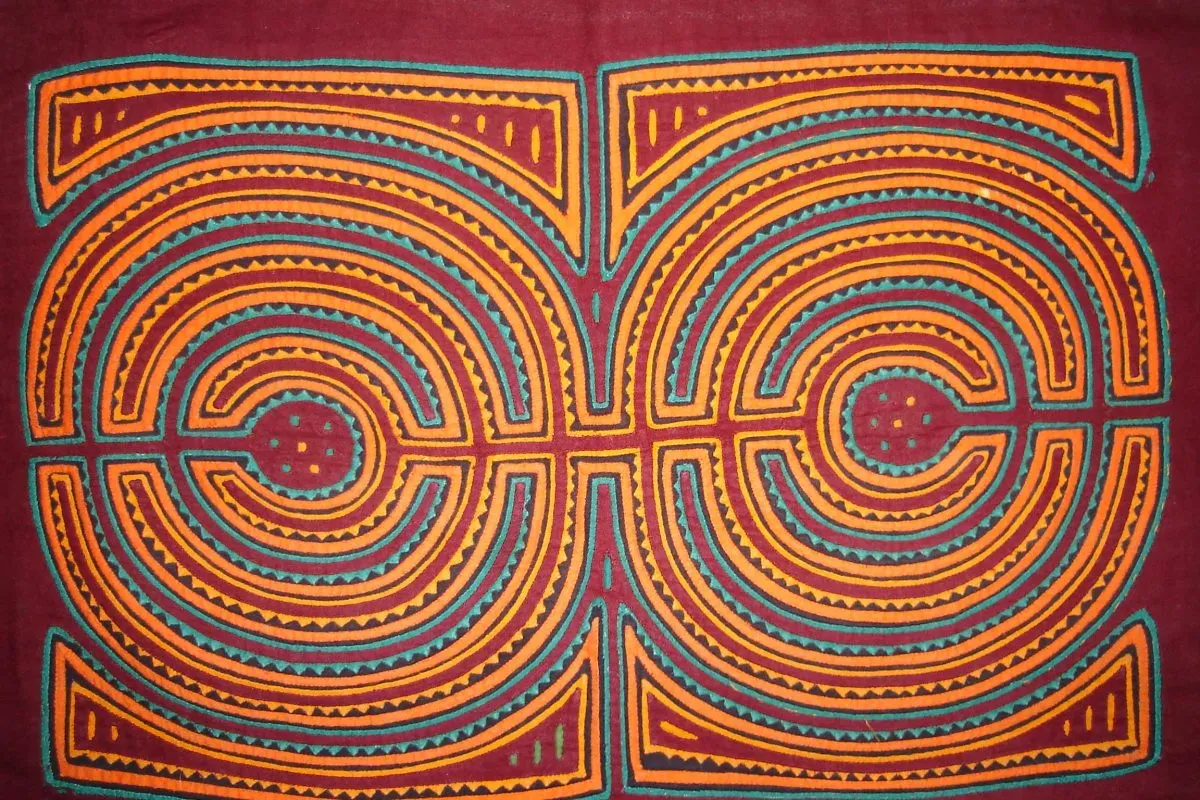
One featured artist, Ana Elena Garuz, presents work inspired by the intricate, layered designs of the traditional Guna Mola (art form). Her pieces use this culturally significant craft as a metaphor for exploring multifaceted female identity. The exhibition spans several generations, featuring artists from the early 20th century to those born in the 1990s, creating a dialogue across time.
“These collective and individual exhibitions, with a focus on women, help to bring those voices and perspectives up to date,” Alemán reflected. “Here, women from indigenous communities and Afro-descendant women are represented. This adds another layer of complexity.” [Translated from Spanish]
For local audiences, the exhibition offers a rare chance to see works by renowned latin american masters seldom exhibited in Panama. The checklist includes significant pieces by Beatriz González, Olga Amaral, the surrealist Leonora Carrington, and the pioneering Ana Mendieta. This gathering of major figures under one thematic roof provides both public viewers and art specialists a unique survey of female creativity.
A Partnership Forged in Pandemic Sisterhood
The “Musa” exhibition is the result of a professional and personal partnership that began during a global crisis. Alemán recounted that when she assumed the directorship of MAC Panamá in 2020, she proactively reached out to fellow museum directors across the region for guidance. One of the first to respond was María Mercedes González, the then-director of MAMM in Medellín.
That initial contact, described by Alemán as an act of professional “sisterhood,” evolved into a deep institutional collaboration. Curators and collection managers from both museums, all women, began a dialogue that eventually crystallized into a project proposal. Their chance came with a call for collaborative cultural projects issued by the multinational company Sura, which specifically required partnerships between two latin american countries.
The “Musa” proposal was one of only 15 selected from over 700 submissions. The project included not only the traveling exhibition but also a published catalog of research, public educational programs, and an artist residency exchange. Panamanian artist Elena Garrido traveled to Medellín, while Colombian artist Laura Montoya worked in Panama, fostering a cross-border creative conversation. The exhibition premiered in Medellín in 2024 before making its current stop in Panama City, with only minor adjustments between venues.
Alemán believes exhibitions like “Musa” serve a vital social function beyond the art world. They make tangible the broader shifts happening in society regarding gender equity and representation. A visitor might not be aware of modern corporate policies mandating women on boards, but they can directly experience the powerful, historically marginalized perspectives of women through the art on the walls. The exhibition, while focused on female creators, is designed to engage all audiences, offering a new lens through which to view transformative women and their impact on culture.
The Museum of Contemporary Art of Panama will host related public programs throughout the exhibition’s run. The accompanying catalog documenting the research behind “Musa” is scheduled for release in Panama in early 2026, aiming to leave a lasting scholarly resource that extends the exhibition’s impact well beyond its closing date.