


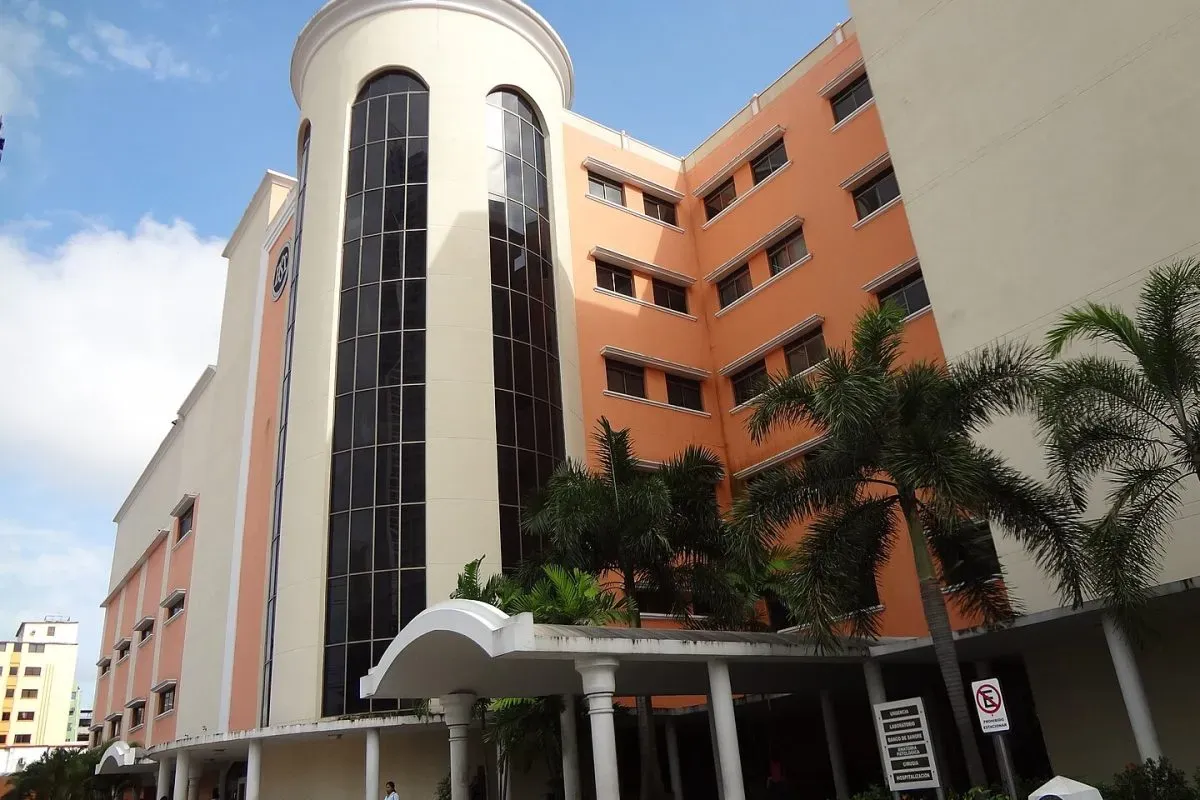
Specialist doctors at Panama’s largest public hospital have publicly warned President Jose Raul Mulino against a proposed integration of the nation’s two main health systems. The Association of Medical Specialists of the Santo Tomas Hospital (Amehst) issued a formal letter this week expressing deep concern over a presidential commission studying a merger between the Ministry of Health (Panama) and the Caja de Seguro Social (CSS).
Their primary fear centers on the potential misuse of CSS funds, which are financed exclusively by worker and employer payroll contributions. The doctors argue these resources legally belong to insured workers, not the government. A poorly structured merger, they contend, could drain the social security fund by forcing it to cover costs for uninsured patients currently under the Ministry of Health’s responsibility.
“We request that any commission formed for this process includes equal representation from insured workers,” the Amehst letter states. [Translated from Spanish]
The association’s statement directly challenges the government’s approach. It insists the Ministry of Health cannot act solely as a regulator while shifting the financial burden of universal care onto the CSS. This move, they warn, would worsen an already strained system. The financial exhaustion of the CSS would accelerate, potentially leading to a collapse in services for the very workers who fund it.
Doctors Cite Regional Precedent for Caution
In their warning, the specialists pointed to negative examples in other Latin American countries. They specifically referenced problems seen in Colombia’s system, which relies on privately managed Health Maintenance Organization (HMO) / EPS (Colombia) providers. The Panamanian doctors suggested a rushed integration here could import similar inefficiencies and failures.
The debate touches a raw nerve in Panama’s long-standing healthcare struggles. The CSS manages facilities like the hospital santo Tomas for insured workers, while the Ministry of Health runs a parallel network for the uninsured. Both systems face chronic issues like medication shortages and long wait times. Past discussions about integration have always stalled over funding and control disputes.
This new push from the Mulino administration appears to have reignited those fundamental tensions. The president’s commission is expected to propose a model for unifying services, ostensibly to improve efficiency and coverage. Medical professionals, however, are drawing a line on financial commingling.
“Insured individual, the money at stake is yours, it belongs to no one else,” the Amehst letter concludes in a direct appeal to the public. [Translated from Spanish]
The association is now calling for all CSS beneficiaries to vigilantly monitor the integration commission’s decisions. They frame the issue as a defense of worker-owned resources. This public intervention by a key group of hospital-based specialists adds significant pressure on the government’s planning process.
It also highlights the delicate political balance required for any major health reform. The government seeks a more streamlined system. Workers and their doctors demand ironclad guarantees that their seguro social contributions are protected. Finding a path that satisfies both sides will be the commission’s immense challenge. The coming weeks will reveal if the government incorporates the doctors’ demands for proportional worker representation or proceeds with its original plan.