


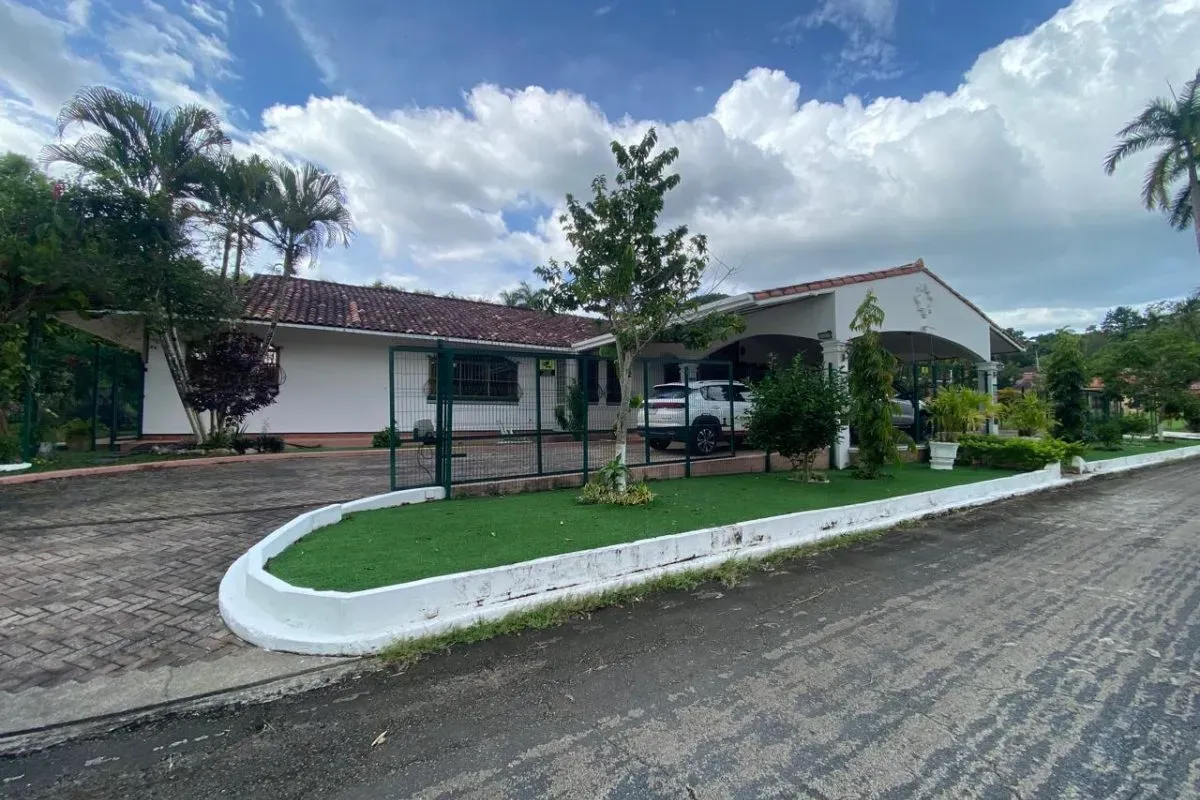
Thousands of property owners in Panama are paying more annual property tax than legally required. A widespread lack of awareness about available tax benefits means many fail to apply for exemptions they legally qualify for, according to tax experts and official documents. This gap in public knowledge results in inflated tax bills that do not reflect a property’s true legal or economic status.
The system includes both automatic and special exemptions outlined in the Panamanian Tax Code. These provisions can drastically lower tax obligations for eligible residential, commercial, and agricultural properties. Despite this, a low level of tax culture and complex procedures have left these financial tools largely unused by the public.
Automatic Exemptions Go Unregistered
One critical oversight involves automatic exemptions on the value of property improvements. For buildings with permits issued before 2019, the law grants exemption periods from five to twenty years based on cadastral value. This benefit often goes unclaimed because property owners do not register their improvements with the National Land Administration Authority (ANATI).
Officials confirm the exemption is not applied passively. It must be formally requested from the General Directorate of Revenue (DGI). Without an application, the tax system calculates bills as if the exemption does not exist. “The benefit is clear in the law, but it requires action from the taxpayer,” a DGI representative stated.
“We encourage all property owners to review their status and submit the necessary documentation to receive the correct assessment.” [Translated from Spanish]
Broad Range of Special Exemptions Available
Beyond automatic benefits, a wider array of special exemptions exists for specific property uses. The law allows partial or total tax relief for properties dedicated to religious, agricultural, tourism, or non-profit social interest activities. Exemptions also cover historical zones, former ARI regions, free trade zones, and primary residences for persons with disabilities.
Eligibility is tied to the property’s use, not its owner. This means new owners can claim exemptions that a previous owner ignored. The same rule applies to properties transferred through inheritance or judicial auction. Providing the correct legal documents to the DGI can trigger a reassessment and a refund for overpaid taxes.
Tax advisors note this retroactive application is one of the system’s most favorable yet unknown features. A property’s tax benefit remains available as long as the qualifying conditions were met, even in past years. This can lead to significant backdated refunds for diligent applicants.
Impact on Real Estate and Next Steps
The consistent overpayment creates an unnecessary financial burden, particularly for real estate investors and property owners operating on thin margins. It also undermines a system designed to stimulate economic activity through targeted relief. The solution hinges on improving public access to information and simplifying the application process.
Experts urge property owners to consult the DGI website or seek professional advice to review their parcels. Correcting a tax status requires coordination with the land administration authority to ensure cadastral records are accurate. Proactive engagement is the only way to align tax bills with the law’s intent.
Panama’s exemption framework is technically sound. Its effectiveness, however, depends entirely on taxpayer awareness and action. Until that changes, millions in potential savings will go unclaimed each year.