


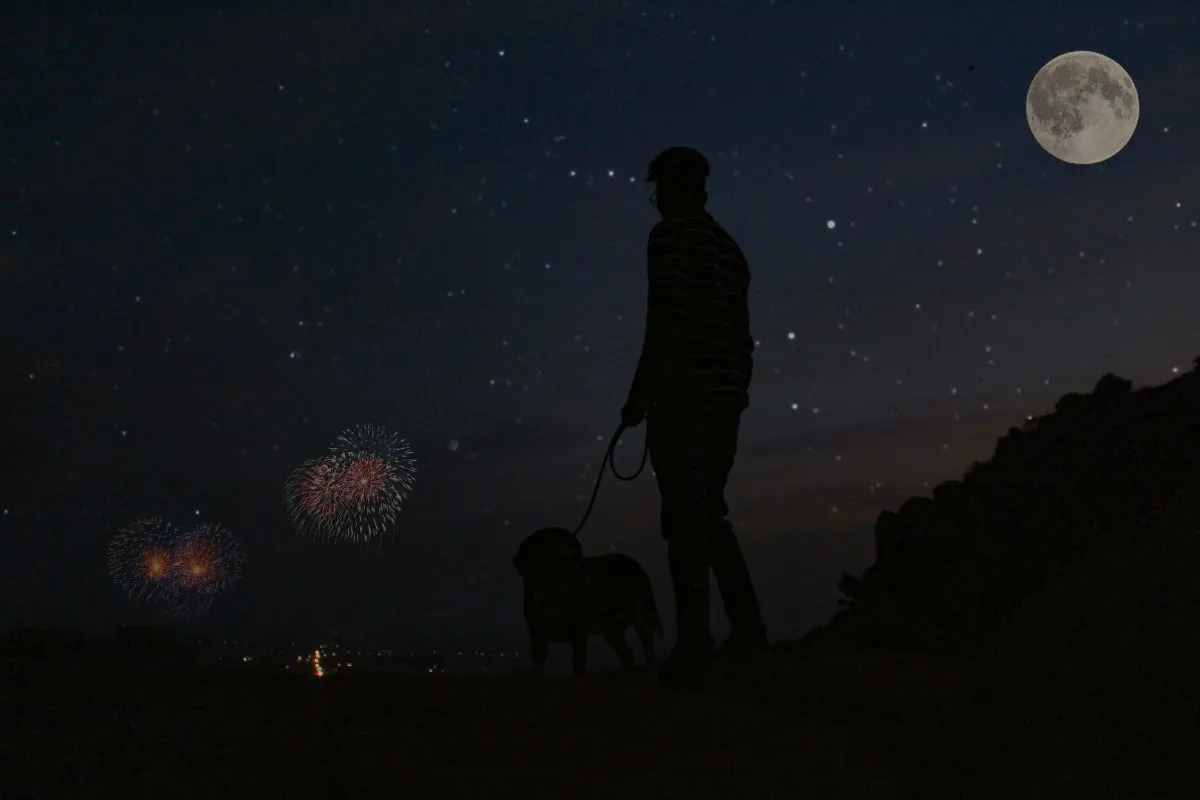
Veterinarians and rescue organizations in Panama City are issuing urgent warnings to pet owners ahead of New Year’s Eve. The traditional use of fireworks poses severe risks to animals, causing widespread fear and leading to injuries and lost pets every December. Experts explain that dogs and cats experience the loud explosions as direct threats due to their highly sensitive hearing.
This auditory assault can trigger intense physical and psychological distress. Common reactions include severe anxiety, panic, and disorientation. Pets may exhibit uncontrollable trembling, rapid heart rates, excessive drooling, and frantic panting. In their terror, animals often bolt from homes, sometimes running into traffic or becoming hopelessly lost. The situation creates a predictable annual crisis for shelters and emergency clinics.
Creating a Safe Haven at Home
Animal welfare specialists emphasize that prevention is the only effective strategy. They recommend creating a secure, insulated space inside the home well before the celebrations begin. A quiet interior room without windows is often the best option.
“If we know we have a dog, we should not take it outside or expose it to these noises. The recommendation is to keep it in a quiet room with soft music to help them relax. Their ears are much more sensitive than ours,” said Moisés Viveros of the rescue group Mascotas al Rescate. [Translated from Spanish]
Background noise from a television or white machine can help mask the sound of outdoor explosions. Owners should ensure their pets have proper identification, like a microchip or a secure collar with a tag, in case they escape. It is critical to never leave animals tied up in yards or balconies where they could injure themselves while trying to flee.
For owners who cannot be home, temporary boarding at a kennel or with a friend outside the urban core is a responsible alternative. Some veterinary clinics even offer calming supplements or medications that must be prescribed in advance. Specially designed pet ear muffs are another tool, though they require acclimation.
Fire Department Highlights Broader Dangers
The Panama Fire Department has reinforced these warnings, linking pet safety to broader public health concerns. Officials reiterated that the use of pyrotechnics by minors is strictly prohibited. Their annual campaign reminds citizens that fireworks cause suffering beyond the animal kingdom, often resulting in human burns, residential fires, and environmental pollution.
A less discussed but equally dangerous threat is poisoning. Curious pets may ingest spent fireworks or unused materials left within reach. These products contain toxic chemicals like potassium nitrate, arsenic, and heavy metals. Ingestion can lead to acute kidney failure, severe abdominal pain, violent vomiting, and neurological damage including seizures and tremors.
Authorities urge celebrants to store all fireworks securely and dispose of debris immediately after events. They ask the public to consider silent light shows or laser displays as community-friendly alternatives. The collective goal is a celebration that does not come at the cost of a pet’s well-being or life.
Local shelters typically report a 30 percent increase in lost animal intakes in the days following New Year’s Eve. This annual pattern underscores the need for proactive measures. Simple actions taken by owners can prevent a holiday tragedy and keep family pets safe until the last firework fades.