


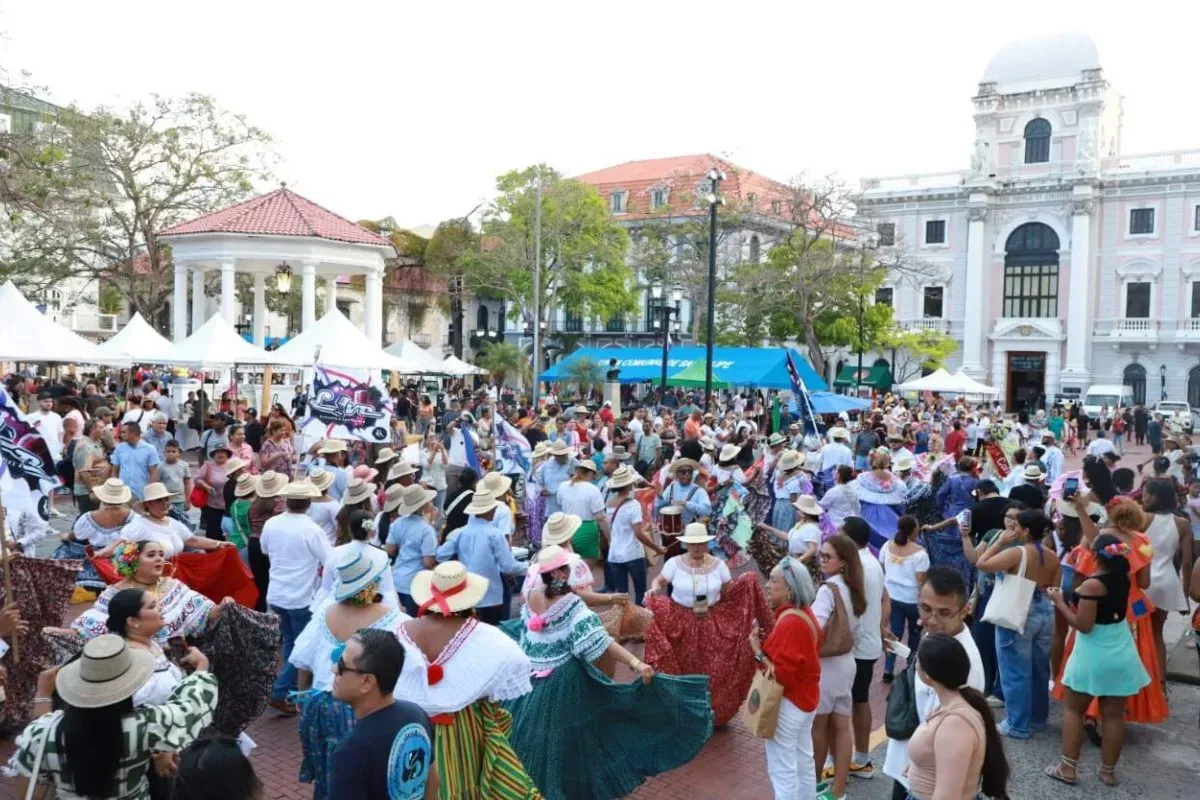
Panama’s Transit Police will implement a special mobility operation for Holy Week celebrations in the historic Casco Antiguo (Panama City) district. The operations begin this Friday, March 27, with the Viernes de Dolores procession and continue through April 5. Authorities expect over 250,000 visitors for the eight scheduled religious events, prompting significant traffic restrictions to ensure pedestrian safety.
Lieutenant Raymundo Sandoval of the Transit Police confirmed the plan. Vehicular detours will be active on nights when processions occur, primarily after 7:00 p.m. The goal is to manage the influx of faithful and tourists while maintaining access for emergency services.
Official Directives and Detour Points
Lieutenant Sandoval provided specific details on the traffic changes. A key detour point will be at Calle Novena and Avenida B, a strategic location for controlling entry into the historic site. This plan redirects all vehicle traffic away from the core procession routes.
“For this Holy Week celebration we will have detours activated during the hours when the different processions take place. Considering that the activities will run from March 27 to April 5, mostly from 7:00 p.m. onward,” said Lieutenant Raymundo Sandoval. [Translated from Spanish]
He explained the practical implications for drivers. Anyone arriving via the Cinta Costera or Parque 2 de Enero will be redirected onto Avenida B at Calle Novena. The same rule applies for traffic coming from Avenida A. Vehicular access inside Casco Antiguo will be strictly limited once processions start.
The anticipated visitor count represents an increase from the 230,000 people recorded in 2025. With such crowds expected, Sandoval offered clear advice. He strongly recommended using public transportation to reach the events.
Public Transport and Visitor Recommendations
The MiBus route serving Casco Antiguo will operate normally throughout the Holy Week (Semana Santa) period. Officials encourage its use to reduce congestion. For those who must drive, proper parking is a non-negotiable requirement.
“We recommend visitors attend using public transport. If you come in your vehicle, do not park it incorrectly, whether on the grounds of the Casco, because that will affect mobility,” Sandoval stated. [Translated from Spanish]
He emphasized that streets and plazas within the district must remain clear. This allows processional floats, or andas, to pass and ensures emergency vehicles can move freely if needed. The lieutenant added a simple directive for drivers. Park legally in an area that does not interrupt the flow of traffic.
Specialized Transit Police (Panama) units will deploy to coordinate traffic flows. Their focus will be on managing entry and exit points while assisting drivers and pedestrians at critical intersections. This operation is part of a broader inter-institutional effort.
It involves coordination with the Institutional Protection Service (SPI), the Panama Municipality, and the event organizers themselves. The shared objective is a safe and orderly experience for everyone. As final logistical details are confirmed, authorities urge the public to plan ahead.
Using alternative routes and heeding instructions from traffic officers will be crucial. These measures aim to prevent disruptions during the celebrations in the capital’s historic heart. The cultural significance of the area, often highlighted during national events like the creation of a casco antiguo World Cup anthem, demands careful stewardship during such large gatherings.
“Due to the processions, vehicular access will be limited. Therefore, the grounds must be clear,” Sandoval concluded. [Translated from Spanish]
The Holy Week operations are now set. Panama City prepares to host one of its most significant traditional events with a clear plan for security and mobility.