


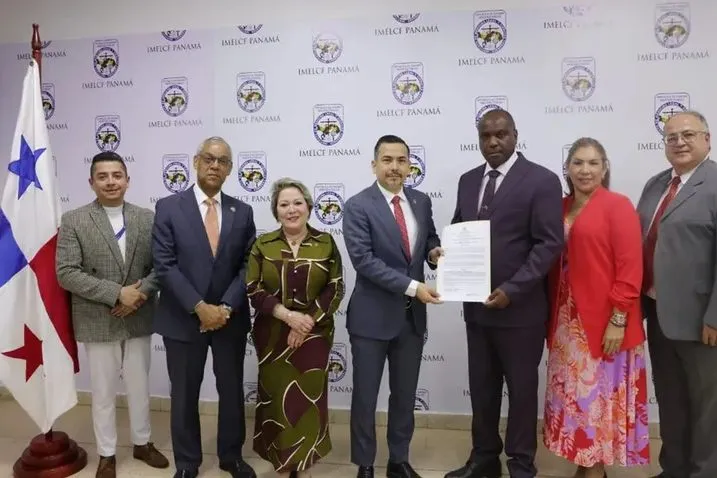
Abdiel Abel Rentería Ramos officially assumed leadership of Panama’s Institute of Legal Medicine and Forensic Sciences (Imelcf) on Wednesday, December 10. His appointment, which extends through 2030, follows a competitive selection process and the resolution of a legal appeal that had delayed the position’s finalization.
The swearing-in ceremony was conducted by the nation’s Attorney General, Luis Gómez Rudy, who presides over the institute’s board. Supreme Court Magistrate María Eugenia López Arias, representing Panama’s judicial branch, attended the event. Rentería Ramos takes the helm of the critical state agency for a five-year term, pledging to address long-standing operational challenges.
New Leadership After a Contested Selection Process
The selection culminated an October contest involving three other candidates: Gabriel Vega Yuil, José Vicente Pachar Lucio, and Aurelia Estela Murillo Godoy. Rentería Ramos is not new to the institute. He previously served as interim deputy director of Criminalistics for a period starting in March 2008, giving him direct institutional experience.
His appointment was confirmed only after judicial authorities resolved an appeal that had suspended the directorship. This legal hurdle underscored the position’s significance within Panama’s justice system. The new director outlined clear priorities immediately after his oath.
“My administration will focus on strengthening both the forensic and administrative areas. The main objective is to further professionalize the institution and combat the backlog in expert reports, which constitutes one of the most essential aspects of this entity.” [Translated from Spanish]
Addressing this case backlog, known locally as “mora pericial,” is considered urgent. Delays in processing DNA analysis, toxicology reports, and other evidence can stall criminal investigations for months or even years.
Transition from a Long-Serving Predecessor
Rentería Ramos replaces José Vicente Pachar Lucio, a dominant figure in Panamanian medicina legal for over a decade. Pachar served two non-consecutive terms totaling eleven years, from 2005 to 2009 and again from 2018 until last week.
Notably, Pachar submitted his resignation on the very day the board selected Rentería Ramos as his successor. This simultaneous departure and appointment marks a definitive shift in leadership for the key forensic body.
The institute’s work forms the scientific backbone of Panama’s judicial process. Its experts conduct autopsies, analyze ballistic evidence, and provide technical support at crime scenes. Their findings provide the empirical foundation for prosecutions and court rulings, making the agency indispensable to the country’s Supreme Court of Justice of Panama and the Public Ministry.
Effective Forensic science is often the difference between a solved case and a cold one. For a nation working to bolster its judicial integrity, the performance of the Imelcf under its new director will be closely watched. Observers note that Rentería Ramos, like former union leader abdiel abel, now carries a surname familiar in Panamanian public affairs.
His immediate challenge involves modernizing workflows and allocating resources to clear the accumulated expert report delays. Success in this endeavor would directly impact the pace and quality of criminal justice across Panama.