


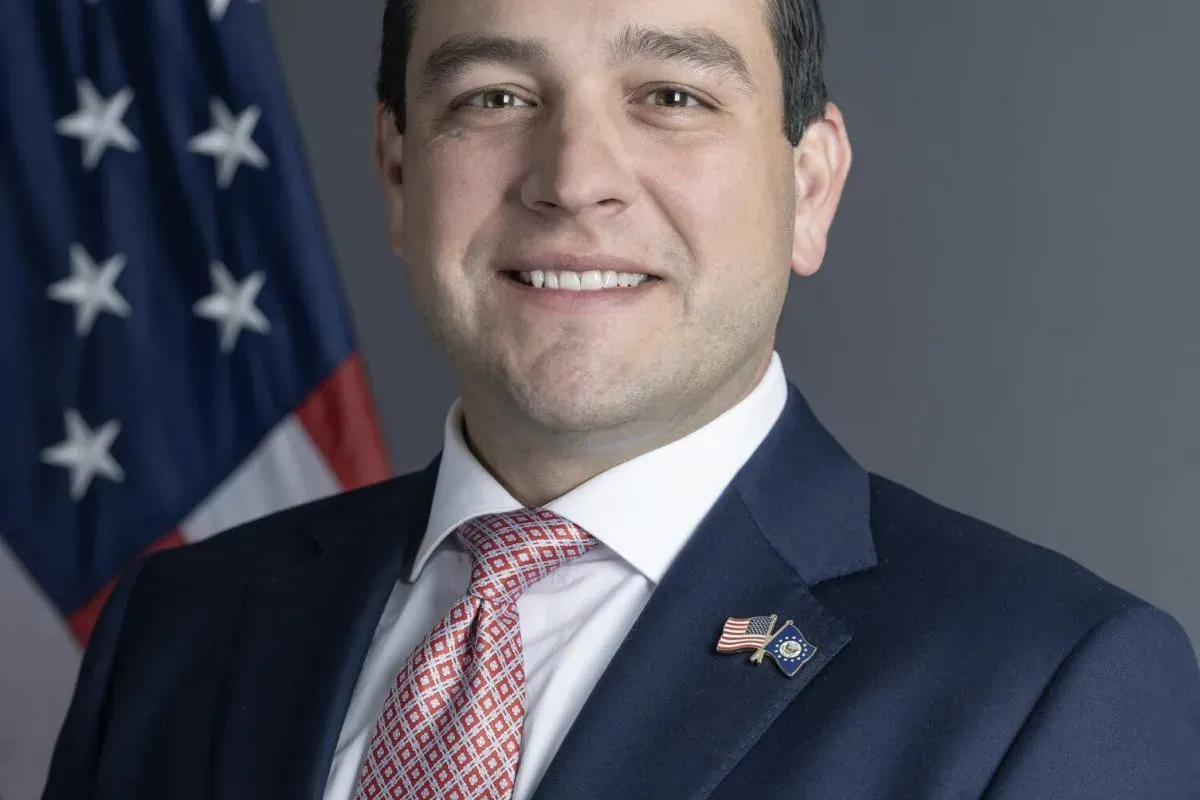
The United States Ambassador to Panama, Kevin Marino Cabrera, has publicly endorsed a landmark Supreme Court decision that nullified a major ports concession. Cabrera called the ruling a strong affirmation of the rule of law in Panama during a statement issued from Panama City.
Panama’s Supreme Court of Panama declared the contract with the Panama Ports Company unconstitutional on January 29, 2026. The concession had granted the firm control over the strategic Balboa and Cristobal port terminals for over three decades.
Diplomatic Praise for Judicial Independence
Ambassador kevin marino cabrera framed the court’s action as a positive signal for investors and national governance. He emphasized that the decision underscores judicial independence and a commitment to transparency.
“This outcome reinforces the integrity of Panama’s legal framework and contributes to sustainable economic growth based on rules,” said Ambassador Cabrera. [Translated from Spanish]
The ambassador argued the ruling strengthens both national security and Panama’s investment climate. It promotes predictability and trust in the legal system, he noted. Cabrera added that valid contracts are protected while inappropriate ones face correction, making Panama more attractive for long-term, quality investment.
Contract Nullified After State Audit
The court’s unanimous verdict followed extensive deliberation on two lawsuits of unconstitutionality. Official judicial documents identified the cases as File No. 119313-2025 and File No. 17547-2025.
This legal process began after Panama’s Comptroller General, Anel Flores, filed a demand. His action came on the heels of a thorough audit of the ports company contract. The audit alleged significant contractual breaches by the operator.
Flores estimated those failures caused nearly $1 billion in economic losses for the state. The government reportedly missed out on substantial revenue due to the identified non-compliance issues.
Immediate Impact and Future Port Governance
The court’s ruling immediately invalidated the law and acts supporting the concession. It stripped PPC of its rights to develop, operate, and manage container, general cargo, bulk, Ro-Ro, and passenger terminals at both oceanic entrances to the Panama Canal.
Ambassador marino cabrera suggested this opens a door for transformative change. He stated the decision allows for a review of port governance and the implementation of transparent, competitive processes.
“It demands accountability from private operators,” Cabrera stated, referring to the institutional scope of the decision. [Translated from Spanish]
Attracting world-class investments capable of generating innovation, efficiency, and quality jobs is now a clear possibility. The ambassador believes this will reinforce Panama’s role as a leading logistics hub for the entire region.
The supreme court / corte suprema explained its verdict as a fulfillment of its duty as guardian of Panama’s Political Constitution. The government now faces the complex task of establishing a new operational model for the critical port assets. Industry analysts expect a period of transition and close scrutiny of the next steps for the Balboa and Cristobal terminals.