


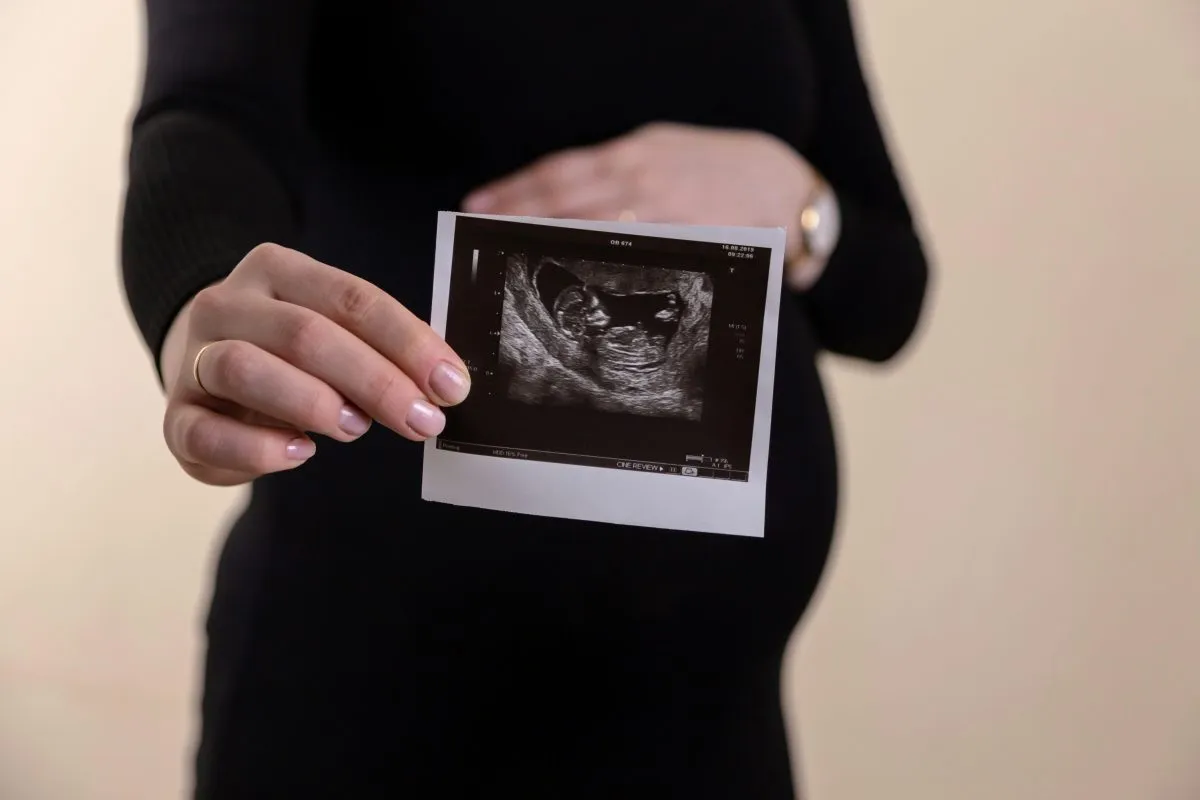
Panamanian fertility specialists are now using advanced artificial intelligence to personalize treatment and improve outcomes for patients. Clinics across the country have begun integrating AI tools into embryo selection and diagnostic processes, reporting increased precision and renewed hope for families. This technological shift aims to reduce uncertainty in complex fertility journeys.
The integration represents a significant advancement for reproductive medicine in Central America. Tools once considered futuristic are now operational in Panamanian labs, analyzing thousands of data points to support embryologists and physicians. The goal is to make highly personalized care a standard, not an exception.
How AI Analyzes Embryo Development
One of the most impactful applications is within time-lapse incubators. These specialized units capture continuous images of developing embryos. Sophisticated Artificial Intelligence algorithms then analyze the footage, assessing division patterns and morphological details often invisible to the human eye.
“The AI analyzes its rhythm, its way of dividing, its tiny details invisible to the human eye,” said Dr. Mario Vega Croker, a specialist in Reproductive Medicine and Fertility. “With this information, we can identify the embryo with the highest potential, increasing pregnancy probabilities and reducing unnecessary risks.” [Translated from Spanish]
This objective analysis helps embryologists prioritize which embryo to transfer. The technology provides a consistent, data-driven layer to a critical decision. It is particularly valuable for patients with previous unsuccessful cycles or of advanced maternal age.
Expanding AI into Genetics and Sperm Selection
The technology’s reach extends into genetic screening. AI now powers more precise analysis in tests like Preimplantation Genetic Testing for Aneuploidy (PGT-A). It can scan for chromosomal abnormalities and genetic variants with speed and accuracy previously unattainable. This allows for the transfer of embryos with the highest chance of leading to a healthy pregnancy.
AI also assists in the laboratory’s andrology phase. Algorithms can rapidly evaluate hundreds of sperm parameters for selection during procedures like ICSI. Specialists emphasize the technology serves as a powerful aid, not a replacement. The embryologist’s expertise and knowledge of the patient’s full clinical history remain paramount for final decisions.
Dr. Vega Croker, who is also the scientific director of Panama Fertility clinic, stresses the collaborative nature of this progress. “It is an alliance between human sensitivity and technological accuracy,” he explained. [Translated from Spanish]
The Human Element Remains Central
Beyond the lab, AI streamlines administrative tasks. It can generate clinical notes and organize patient data. This automation gives physicians more time for direct, empathetic consultation. The focus stays on patient communication and support.
The industry continues evolving toward greater automation. Some global labs now use robotic systems for precise tasks like sperm injection or handling culture dishes. These systems promise standardization and may improve access over time. Their adoption in Panama, however, involves navigating costs, training, and infrastructure.
Discussing these challenges openly is essential for building trust with patients and policymakers alike. The core promise of the technology is to enhance, not eclipse, the human-centric care at the heart of fertility medicine. For patients like Ana, mentioned in a case study, it meant a treatment tailored to her biological rhythms and a restored sense of possibility.
Panama’s fertility sector now possesses tools that open new doors. The ultimate measure of success, clinicians agree, will be pairing these advances with unwavering human commitment. The journey, they note, is still walked together with clarity and profound responsibility.