


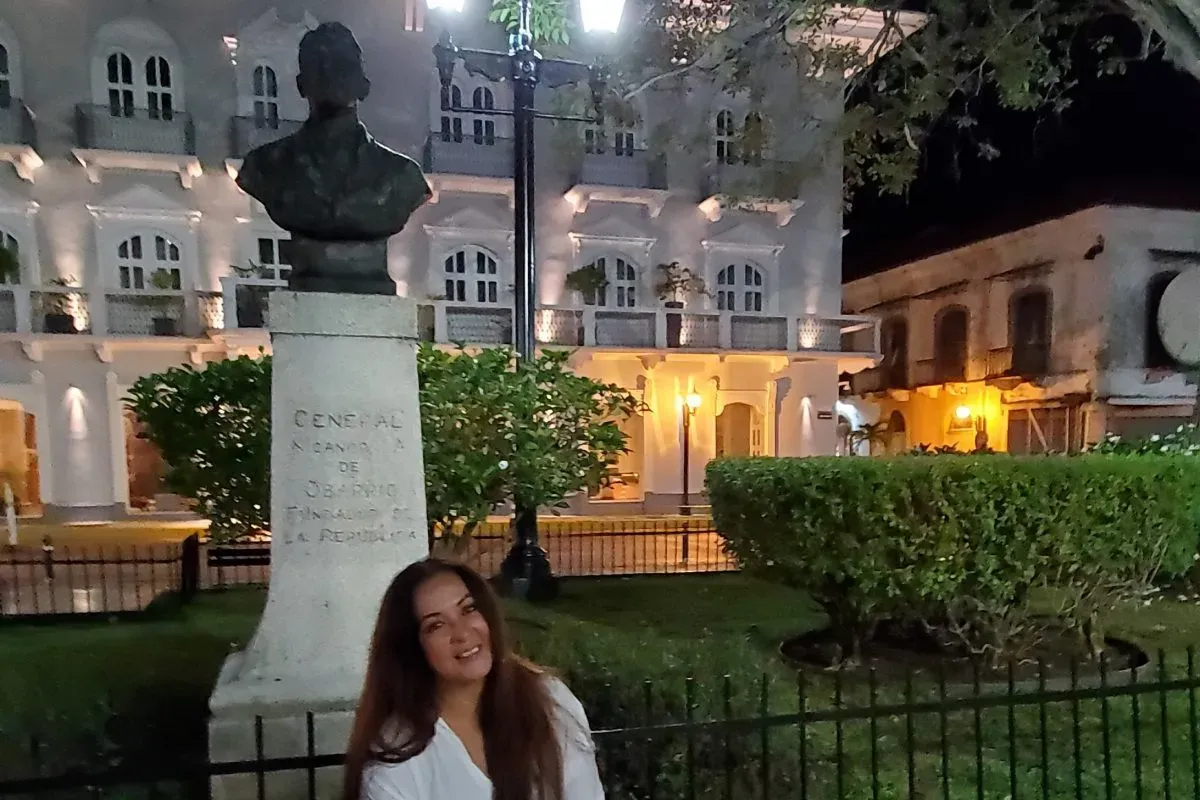
Panama City’s historic district, known as the Cosco Antiguo, continues to serve as a primary cultural destination for nearly one million annual visitors. The UNESCO World Heritage site blends centuries of colonial history with the vibrant energy of modern Panama, offering an escape from the city’s famed skyscrapers just minutes away. Walking its cobblestone streets provides a direct connection to the nation’s layered past.
Located in the San Felipe district, the area was constructed in 1673 after the original Panama Viejo settlement was destroyed. It functioned as a fortified city complete with protective walls against pirate attacks. Today, those same walls form scenic walkways overlooking the Pacific Ocean. The district’s preservation as a living neighborhood, not merely an open-air museum, sustains its authentic atmosphere where residents, artisans, and tourists mingle daily.
A Walk Through Living History
Time seems to move differently within the district’s confines. The frantic pace of the capital gives way to leisurely strolls. Visitors encounter a series of plazas, each with its own character. Independence Plaza stands as the central hub, flanked by the Metropolitan Cathedral Basilica of Santa Maria la Antigua and the Panama Canal Museum. On weekends, the square fills with children playing, local dance groups practicing, and the sounds of street musicians.
One of the most photographed spots is the Esteban Huertas promenade. Built atop the old city ramparts, it offers a striking visual contrast. On one side lies the serene bay, while the other frames the dramatic skyline of modern Panama City. This juxtaposition of old and new defines the entire experience. Nearby, a vibrant arch of flowers provides a popular backdrop for portraits and celebrations.
“Any point in the Casco is excellent for taking photos. You find people from many parts of the world, cultures mix, and that always shows in the quality of the images,” said photojournalist Isaac Ortega. [Translated from Spanish]
Ortega, who recently documented the area, noted the unique scenes that unfold. He mentioned the occasional passage of horse-drawn carriages and the enduring appeal of the historic Coca-Cola Cafe. That establishment has served as a gathering place for politicians, artists, and everyday Panamanians for decades. For him, photographing the district feels like a form of rest.
Cultural Heritage in Every Detail
The district’s appeal lies in both grand landmarks and small discoveries. Artisan stalls line the walkways, selling handmade souvenirs like the iconic pintao hat. The so-called “Street of Hats” is a dedicated showcase for this traditional Panamanian craft, displaying a stunning array of styles, weaves, and colors. It is a direct link to the country’s rural artistry in the heart of the capital.
Attentive visitors will spot historical artifacts embedded in the urban landscape, including collections of antique vehicle license plates. The simple pleasure of enjoying a traditional raspao shaved ice in the French Plaza while feeling the ocean breeze remains a timeless ritual. The area’s architectural details, from colorful wooden doors to wrought-iron balconies, tell a story of Spanish and French colonial influence.
This tangible connection to the past is a key part of the district’s identity. The area’s deep colonial history is palpable in its very stones. Beyond the well-trodden paths, quiet courtyards and hidden cafes offer moments of solitude. The district is not a static relic but a continuously evolving space where history provides the foundation for contemporary life.
Gastronomy, fashion boutiques, boutique hotels, and a thriving nightlife scene have all found a home within the historic walls. This fusion ensures the district remains relevant and bustling after sunset. The mix of uses supports local businesses and creates a dynamic, 24-hour community. It is a model of heritage preservation that actively incorporates modern urban life.
Officials and cultural advocates emphasize the district’s role as a living monument. Its UNESCO designation helps protect its physical structures, but the true preservation effort involves maintaining its spirit as a gathering place. The goal is to balance tourism with local community needs, ensuring the neighborhood retains its authentic character. This approach safeguards its future as both a national treasure and a beloved part of Panama City.
For residents and repeat visitors, the question is not if they will return, but which corner they will explore next. Some have a favorite bench for watching sunsets over the bay. Others prefer the quiet of a particular church courtyard in the morning. Many simply wander without a fixed route, knowing they will inevitably stumble upon something new. The district invites personal discovery, making each visit uniquely memorable.
Its enduring charm proves that in Panama City, the past is not just remembered. It is lived in every step through the historic Casco Antiguo.