


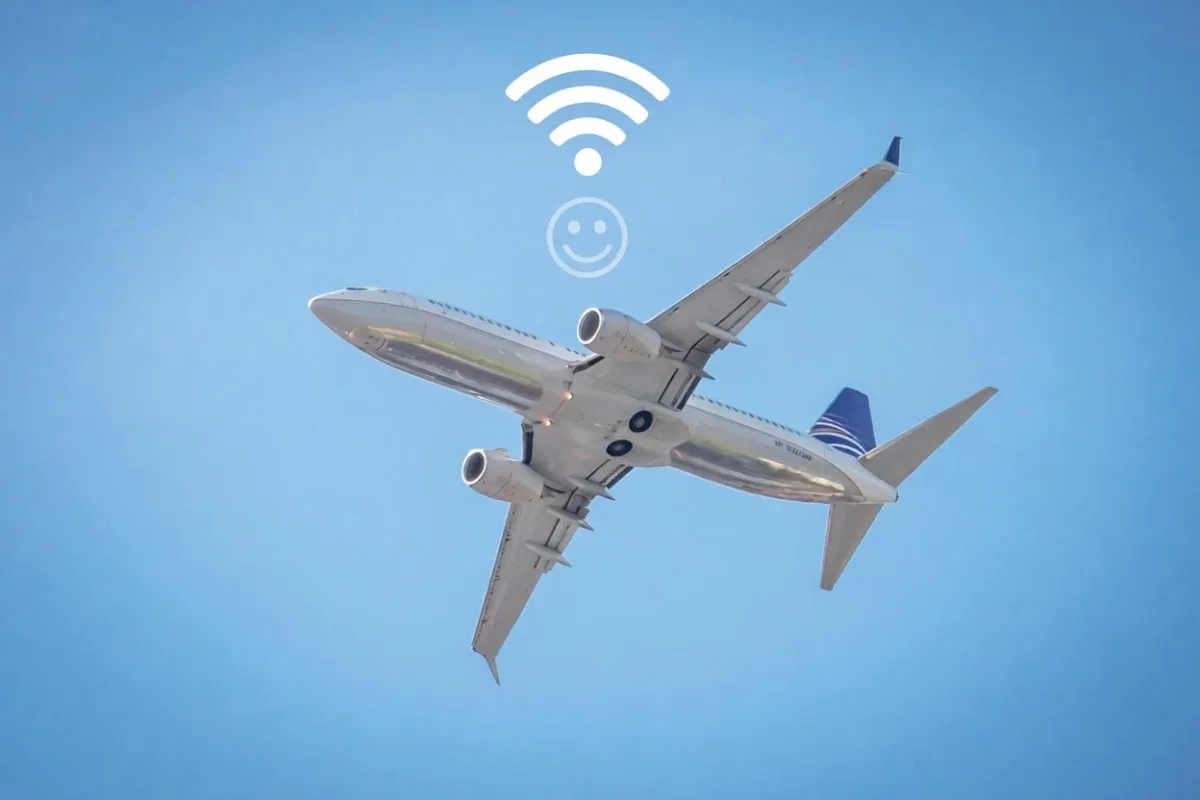
Copa Airlines will introduce inflight internet connectivity across its entire fleet starting in October 2026. The Panamanian carrier confirmed the long-awaited move this week, marking a strategic shift to meet modern passenger demands and competitive pressures in the Latin American aviation market.
For years, the airline had been a notable holdout among major regional carriers, operating its extensive network without onboard Wi-Fi. The announcement, made on the company’s official social media channels, signals a direct response to evolving traveler behavior where connectivity is now a key factor in flight selection.
“The wait is over: Wi-Fi is coming to our aircraft. An even more connected experience awaits you in October 2026,” the airline stated. [Translated from Spanish]
The rollout will begin in the fourth quarter of 2026, though Copa has not yet disclosed the technology provider or specific pricing models. Industry analysts view the decision as essential for the airline to maintain its premium position and cater to both business and leisure travelers who increasingly view Wi-Fi as a standard amenity.
Competitive Pressure and Passenger Demand Drive Decision
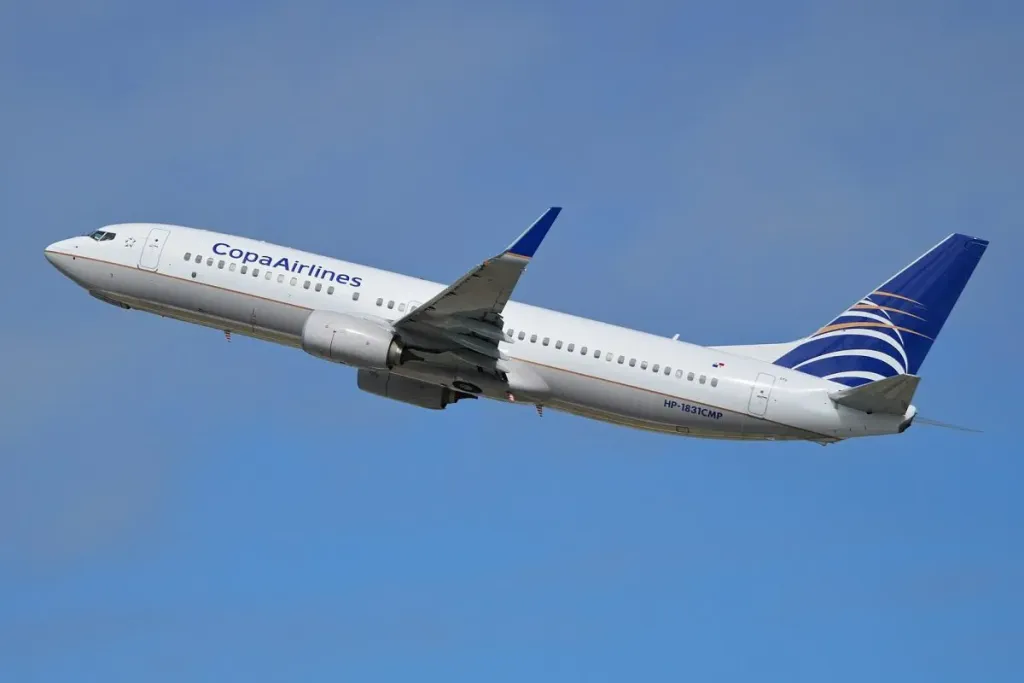
Copa’s move comes after rivals like LATAM and Avianca established their own connectivity services. Recent passenger surveys underscore the commercial imperative. Viasat’s 2023 Passenger Experience Survey, which polled over 11,000 travelers globally, found that 83% are more likely to rebook with an airline offering high-quality Wi-Fi.
Perhaps more telling, free inflight Wi-Fi ranked as the most influential factor after ticket price when choosing an airline for 22% of respondents. This preference surpassed free food, legroom, and onboard entertainment. The data presents a clear mandate for carriers planning their product roadmaps.
The announcement represents a notable reversal from recent executive comments. At an industry forum in late 2025, Copa CEO Pedro Heilbron had stated that inflight Wi-Fi was not in the company’s immediate plans. He suggested overnight flights made connectivity less critical and even framed the lack of internet as a potential “break” for passengers.
“We fly many overnight routes and passengers do not connect at night. We are giving passengers a break, which is good for mental health,” Heilbron said at the time. [Translated from Spanish]
Robert Carey, the airline’s executive vice president, had similarly indicated connectivity was not a top priority. The rapid change in public stance suggests internal planning reached a final stage where public confirmation became necessary, likely influenced by the overwhelming market data.
Network Structure Amplifies Connectivity Value
Copa Airlines operates a unique and sprawling hub-and-spoke model from its base at Tocumen International Airport in Panama City. This network, featuring more than 85 destinations across the Americas, includes numerous medium to long-haul flights perfectly suited for productive internet use.
Flights from Panama to destinations like Los Angeles, San Francisco, or Montevideo can exceed seven hours on Boeing 737 aircraft. Passengers can even connect through Tocumen on journeys totaling 16 hours of flight time in a single day. These are not purely overnight routes where passengers sleep entirely. They are day-long or evening journeys where passengers need to work, communicate, or manage logistics.
Frequent flyers have long noted the operational stress caused by being offline, especially when managing tight connections in Panama. The ability to receive real-time gate changes, respond to urgent emails, or coordinate ground transportation mid-flight transforms the travel experience from one of uncertainty to managed productivity.
The airline’s renowned punctuality, a key brand pillar, is further complemented by offering passengers tools to manage their itineraries in real time from the air. This integration of digital connectivity with operational reliability creates a more seamless and controlled journey.
Technology and Implementation Path Forward
While Copa has not named its technology partner, industry speculation points toward next-generation satellite providers. Companies like Starlink have recently entered the aviation market, offering higher speeds and lower latency that could be a fit for Copa’s primarily over-water routes across the Caribbean and the Americas.
The airline faces a significant technical undertaking to equip its entire fleet within the next two years. The process involves installing antenna systems, modifying aircraft interiors for wiring, and conducting rigorous certification tests with aviation regulators. The October 2026 target suggests a phased rollout will commence well before that date.
Pricing strategy remains another critical unanswered question. The Viasat survey indicates passenger preference heavily favors bundled or free models, with 50% of travelers less likely to connect if they have to pay separately. How Copa Airlines integrates Wi-Fi cost into its fare structure, particularly for business class passengers and frequent flyer members, will be closely watched by competitors.
This investment is part of a broader pattern of capital expenditure for the carrier, which has also focused on fleet renewal and hub expansion. It aligns with a wider copa airlines strategy to enhance its service offering and maintain a competitive edge in a recovering post-pandemic travel market.
Reshaping the Passenger Experience for a Connected Era
The introduction of Wi-Fi fundamentally alters the value proposition of a Copa flight. Passengers can now plan on sustained productivity or entertainment throughout their journey, not just during airport layovers. This is particularly impactful for the airline’s substantial base of business travelers who rely on constant communication.
For the airline itself, connectivity opens new ancillary revenue streams and customer engagement opportunities. It enables potential partnerships with content providers, more sophisticated crew communication tools, and real-time aircraft performance monitoring. The data generated from passenger usage will also inform future service decisions.
The move finally brings Copa in line with global standards, removing a persistent point of comparison used by rivals. It acknowledges a simple truth modern aviation now accepts. Inflight Wi-Fi is no longer a luxury novelty. It is a core utility for travel, as expected as a seat and a cabin ceiling.
Passengers booking travel for late 2026 and beyond will see a transformed Copa product. The airline’s historic strengths, its efficient hub and vast network, now merge with the essential digital tool today’s travelers demand. The connected era at Copa, after a long wait, is officially arriving.