


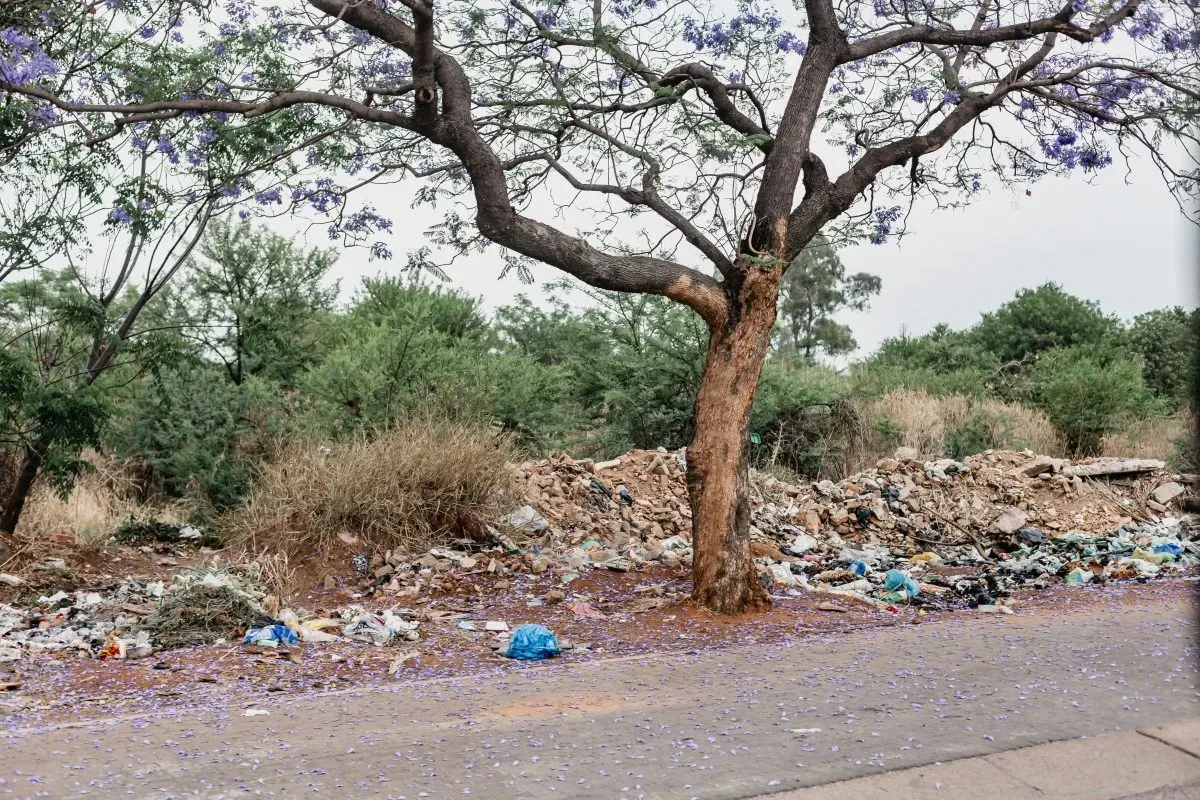
Officials in Santiago, Panama, are proposing fines as high as $2,000 for individuals caught illegally dumping trash. The district government in the Province of Veraguas announced the plan this week during a cleanup operation targeting a notorious illegal dump site. This drastic increase from current penalties aims to combat a growing epidemic of clandestine waste disposal plaguing local roads and communities.
Authorities revealed the strategy while removing tons of garbage from the road connecting the San Martín and Urracá districts. That specific area has become a recurring hotspot for illegal dumping. The sheer volume of waste collected during the operation underscored the severity of the local environmental problem. District Mayor Eric Jaén stated the current fine structure, which ranges from $10 to $500, is no longer an effective deterrent against the practice.
“We are analyzing the legal framework to raise these fines to up to $2,000. The objective is for the penalty to be truly dissuasive,” said Santiago Mayor Eric Jaén. [Translated from Spanish]
Enforcement will also see a significant upgrade. Mayor Jaén confirmed plans to install surveillance systems and increase police patrols in critical zones. Targeted areas include San Martín, Urracá, La Peña, and El Espino. Officials will also monitor locations near the interchanges of the Inter-American Highway, where illegal dumping has been frequently reported.
Community Calls for Public Vigilance
Local community representatives present at the cleanup made a striking observation. They argued the accumulated waste likely did not originate from immediate area residents. Transporting such large quantities of debris to these remote roadside spots requires a vehicle. This fact leads authorities to believe dumpers are arriving from other sectors, using these corridors as convenient, illegal landfills.
This insight has shaped the official response. Alongside higher fines and more patrols, officials are launching a public campaign urging citizen involvement. They are asking both residents and passing drivers to act as witnesses. The public is encouraged to document offenders using photos or video and to file formal complaints with the Santiago Mayor’s Office. Every complaint initiates an administrative process that could result in the new severe penalties.
“We call on the population to document with photos or videos those who incur in this practice and file the corresponding complaint,” a community representative stated. [Translated from Spanish]
The current fine system requires a formal denunciation to trigger any municipal action. Under the existing rules, fines are applied after an investigation and the opening of an official file. The proposed hike to $2,000 seeks to make the financial risk of dumping far outweigh any potential cost savings from avoiding proper waste disposal services. This initiative is part of a broader municipal push for civic and environmental responsibility como parte of wider regional development efforts.
Municipal crews completed the initial cleanup in San Martín and Urracá, but officials admit it is a temporary fix. The long-term solution, they insist, hinges on the powerful combination of harsh fines, constant monitoring, and an engaged citizenry. The Santiago district government expects to review and amend the relevant municipal ordinances in the coming weeks to enact the new penalty regime.