


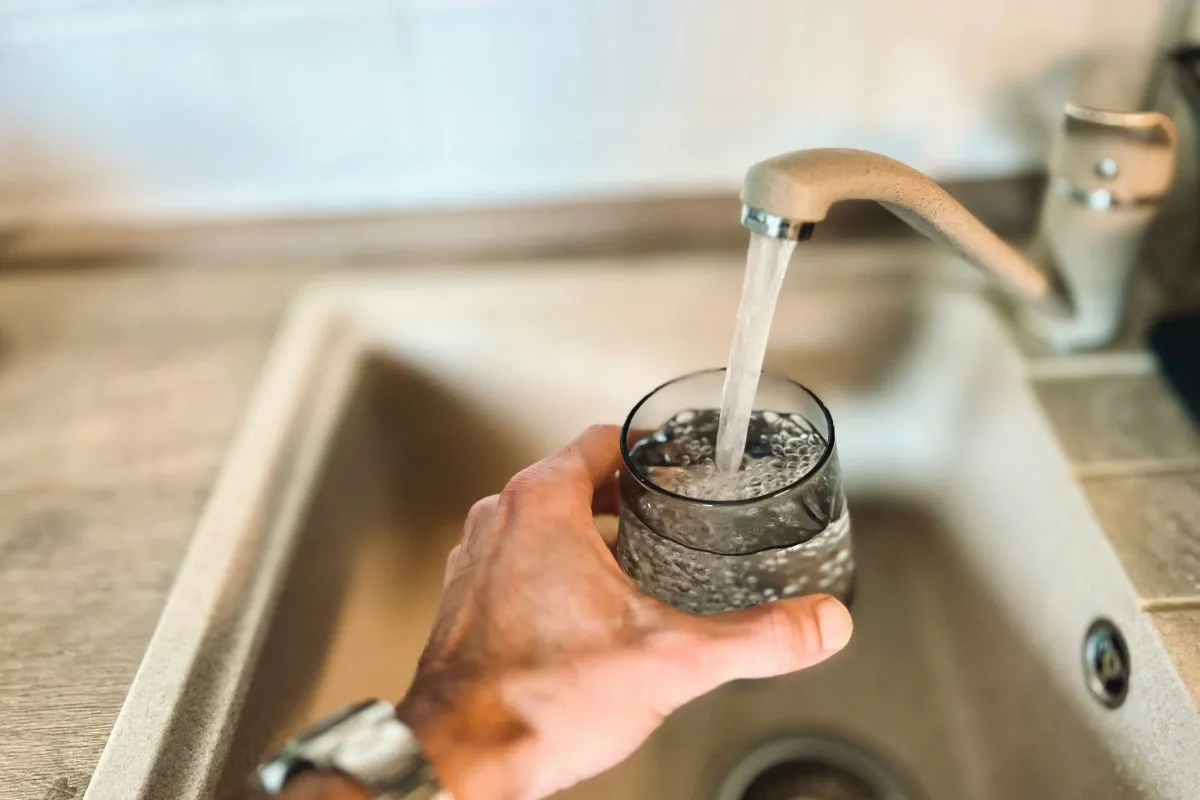
Residents in Panama’s Herrera and Los Santos provinces have now endured nearly eight months without being able to drink water from their taps. The national water authority, the Institute of National Aqueducts and Sewers (Idaan), suspended operations at key water purification plant facilities last May following severe rains that contaminated the La Villa and Estibaná rivers. While treatment has resumed under strict controls, the water distributed to homes still lacks official certification for human consumption.
📑 Table of Contents
This prolonged public health advisory has forced a population of thousands to rely entirely on bottled water and water delivery trucks for their daily needs. Authorities had previously projected a resolution by November, then December, but both deadlines passed without the necessary clearance. The ongoing crisis underscores significant vulnerabilities in the region’s water infrastructure.
“Nobody is going to tell the population to consume the water if we are not 100 percent sure it is potable,” said Health Minister Fernando Boyd Galindo. [Translated from Spanish] He emphasized that only conclusive technical reports will permit official authorization for drinking the tap water again.
Minister Boyd explained that final certification hinges on laboratory tests, the results of which can take several days to process. Teams from the Ministry of Health and the Directorate of the water quality monitoring Subsector remain in the field conducting continuous evaluations. Their work is part of a permanent monitoring operation, officials stated.
A Deadline Set Amid Ongoing Work
Idaan director Rutilio Villarreal has set a firm deadline for completing all interventions in the Azuero region. He announced that February 2 is the target date for finalizing the extensive repair and cleaning plan. Villarreal described the large-scale effort as an unprecedented operation for the country’s water system.
Approximately forty percent of the intervention plan remains unfinished. The director identified the city of Chitré as the most complex point due to the sheer size of its distribution network. He noted a positive trend in source water quality, stating that organic matter levels in the river have shown a sustained decrease since September and are now within historical ranges.
“We continue applying protocols for constant monitoring, together with the Ministry of Environment at the Estibaná river station, to maintain controls and activate early warnings,” Villarreal clarified. [Translated from Spanish] He stressed that improved conditions do not mean vigilance can be relaxed.
The Idaan has intensified disinfection and cleaning work at the treatment plants in recent weeks. This push aims to normalize the system ahead of major regional events, including the upcoming Parade of the Thousand Polleras scheduled for January 17. The cultural festival typically draws large crowds to the affected area, increasing demand for safe potable water.
Residents Bear the Burden of Uncertainty
For local families, the technical timelines and progress reports translate to a daily logistical and financial struggle. The cost of purchasing safe water for nearly eight months has strained household budgets. The crisis has also highlighted the essential nature of reliable water access, a service most took for granted before the contamination event.
The situation in Azuero reveals a pressing need for structural solutions to prevent similar emergencies from lasting for months on end. Long-term planning and institutional commitment are now seen as critical to building a more resilient water supply network. The region’s vulnerability to extreme weather and pollution events has been fully exposed.
As the Idaan works toward restoring full service, the entire region waits for the official word that their water is safe. Residents hope to once again fill their tanks and open their taps without fear. The experience has been a forced lesson on the true value of water, a fundamental resource that should never be in question. The path forward requires more than machinery and repairs. It demands a sustained commitment to infrastructure and environmental stewardship to ensure this crisis is not repeated.