


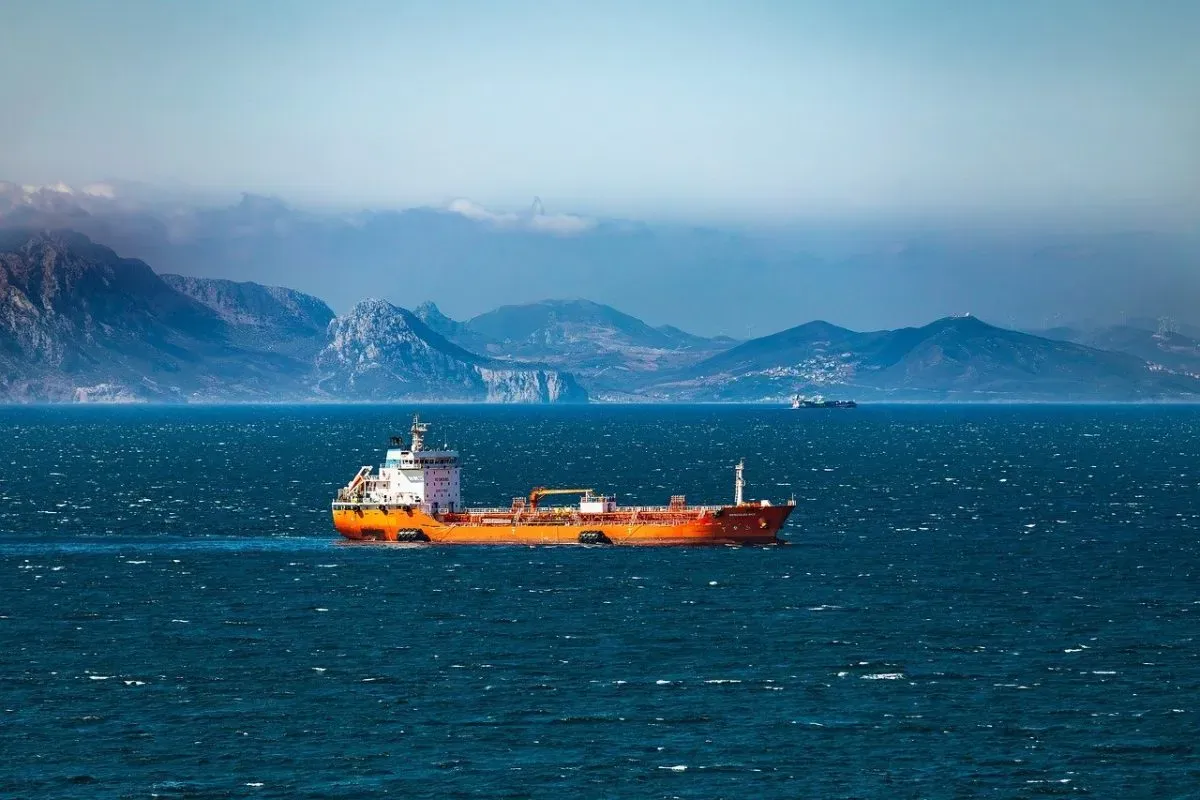
The Panamanian government has officially stated that a commercial oil tanker boarded by United States military forces in the Indian Ocean is not registered under its flag. The Panama Maritime Authority (AMP) clarified the vessel’s status on Tuesday, February 10, 2026. This announcement directly responds to international reports linking the ship to Panama’s vast merchant registry.
United States forces intercepted the tanker Aquila II on Monday, February 9. The operation was conducted as part of a U.S.-led maritime quarantine targeting sanctioned oil shipments related to Venezuela and Cuba.
Panama’s Official Clarification on Vessel Registry
Panama’s maritime authority moved quickly to correct the record. In a statement posted on the social media platform X, the AMP confirmed the Aquila II had no current legal ties to the nation. The agency revealed the ship’s registration was formally canceled more than a year prior to the interdiction.
“The vessel was canceled on January 23, 2025,” the authority wrote. [Translated from Spanish] It therefore “does not belong to the Panamanian registry” of merchant shipping.
This clarification aims to distance Panama’s internationally recognized shipping registry from the controversial incident. Specialized maritime websites and several media outlets had previously reported the tanker was Panamanian-flagged. The AMP’s statement seeks to prevent any reputational or diplomatic fallout for its crucial maritime services sector.
United States Justifies Indian Ocean Interdiction
The operation was executed by the United States Department of War. Officials publicly announced the boarding on Monday. A Department of War post on X stated the action was a “right-of-visit, maritime interdiction and boarding” conducted without incident.
U.S. policy currently enforces a strict maritime quarantine. This policy focuses on sanctioned oil tankers entering or leaving Venezuelan waters. The interdiction of the Aquila II falls under the umbrella of “Operation Southern Lance,” a broader security initiative. At least seven vessels have been boarded or seized under this operation since its inception in December 2025.
The broader U.S. strategy has two clear objectives. It aims to stop Venezuelan oil sales outside channels authorized by Washington. A secondary goal involves cutting revenue to networks considered allies of Russia, Iran, or Cuba. Former President Donald Trump signed an executive order enabling punitive tariffs on countries sending oil to Cuba, a policy that continues to pressure the island nation’s economy.
These actions demonstrate a continued willingness to project power far from U.S. shores. Similar military forces conducted training and operations remain a fixture in the region.
Impact on Panama’s Global Shipping Role
Panama operates one of the world’s largest and most important ship registries. The so-called Panamanian ship registry is a flagship service for the nation’s economy. Official data shows it includes 8,728 flagged vessels representing 236.9 million gross tons.
Maintaining the integrity and reputation of this registry is paramount for Panamanian authorities. Incidents involving ships falsely claiming its flag can create legal and diplomatic complications. The AMP’s swift public denial underscores its proactive approach to managing these risks. It also highlights the complex challenge of policing a registry of such enormous scale in real-time.
The Aquila II incident underscores ongoing geopolitical tensions in global energy markets. It also reveals the intricate web of maritime law, flag state responsibility, and international sanctions enforcement. As the United States continues its interdiction policy, the role of flag states like Panama will remain under intense scrutiny.