


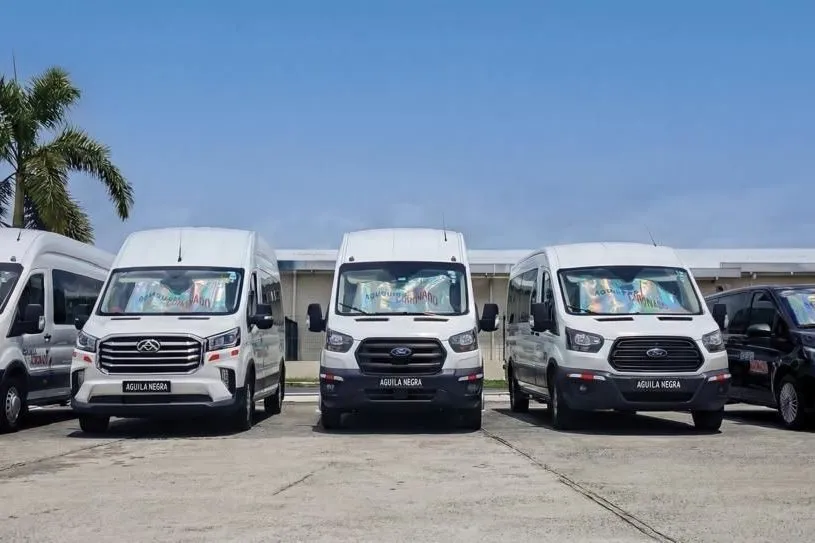
Residents and visitors in the beach community of Coronado, Panama are increasingly choosing to live without personal vehicles. This shift, driven by traffic concerns, cost savings, and a preference for a relaxed lifestyle, is reshaping mobility in an area traditionally seen as car-dependent. A combination of traditional transport, modern apps, and new community-focused services now makes a car-free existence not just feasible but often preferable.
The trend reflects a broader move toward practical sustainability and convenience. While Panama’s infrastructure heavily favors automobiles, Coronado’s unique mix of services fills the gaps. People are discovering they can access everything from grocery stores to international airports using a strategic blend of options.
The Foundation of Local Transport
Coronado’s daily mobility relies on two established systems. The ubiquitous yellow taxis provide door-to-door service for short trips, with fares inside the main gates typically ranging from two to three dollars. These drivers operate like an informal hop-on, hop-off network, constantly circling the area’s key points.
For the most budget-conscious travel, small white buses known as colectivos ply the main roads. Their routes are fixed and fares are minimal. These options work perfectly for predictable daytime errands, though availability can lessen during peak evening hours or very late at night. Planning ahead becomes essential for early flights or late dinners.
“We are not the company you only see on the first and last day of your vacation,” says the team at Services Coronado. “We are part of the community and have learned to listen to real needs.” [Translated from Spanish]
This community shuttle service represents a significant innovation for local transport. It specifically targets the “last-mile” problem other services miss. For about one dollar per person, their restaurant shuttle connects popular spots like Boga Bar in Vista Mar with neighboring Gorgona, allowing for social outings without driving concerns.
Connecting to the Wider Region
Leaving Coronado for longer trips is straightforward thanks to the Pan-American Highway. Large, comfortable intercity buses running from Panama City to western provinces stop at the Coronado entrance. A ride to the capital’s Albrook Terminal often costs less than five dollars and takes about ninety minutes.
The trade-off is a lack of final destination service. Riders must take a taxi from the highway drop-off point to their specific home or hotel within Coronado’s sprawling interior. For direct, private trips to Panama City or Tocumen International Airport, digital ride-hailing has become a game-changer.
Uber coverage in Coronado has improved dramatically in recent years. A trip to the airport, over 100 kilometers away, usually costs around eighty dollars. Many expatriates consider this a reasonable price for a stress-free journey, especially when facing unpredictable traffic on the highway. The app provides a reliable, cashless fallback option at almost any hour.
The Rise of Personalized Service
Alongside app-based solutions, a network of trusted private driver professionals has flourished. These individuals often charge a flat rate of approximately fifty dollars for trips into Panama City. They build lasting relationships with clients, sometimes assisting with groceries or waiting during appointments.
This personal touch transforms a simple ride into a valued professional service. For car-free residents, these drivers become integral to managing logistics without owning a vehicle. Services Coronado has formalized this concept, offering vehicles equipped for specific community needs.
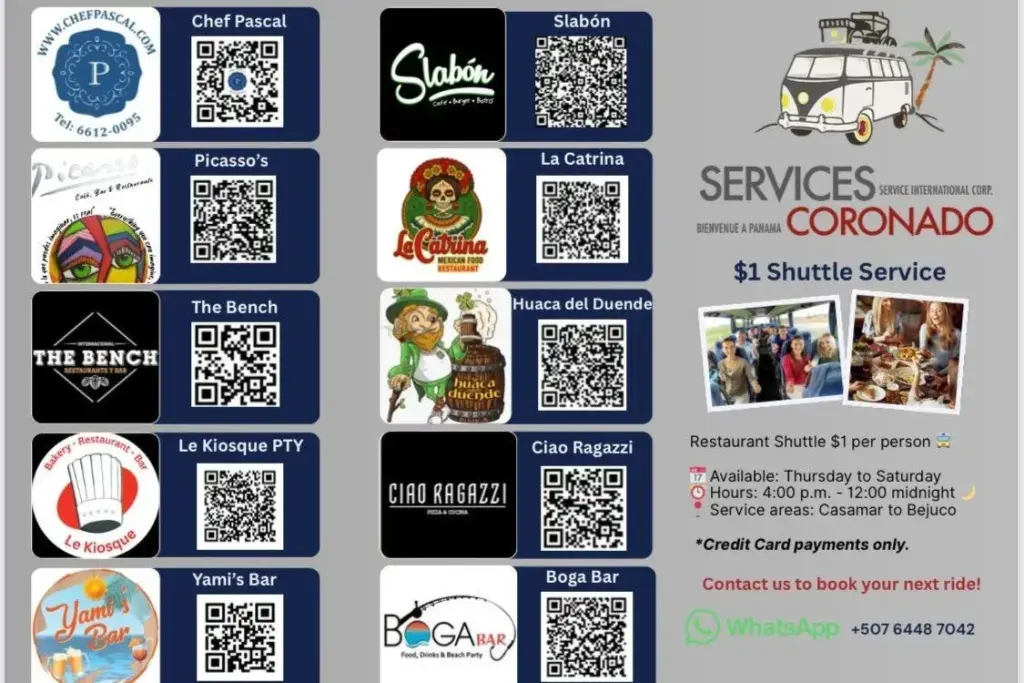
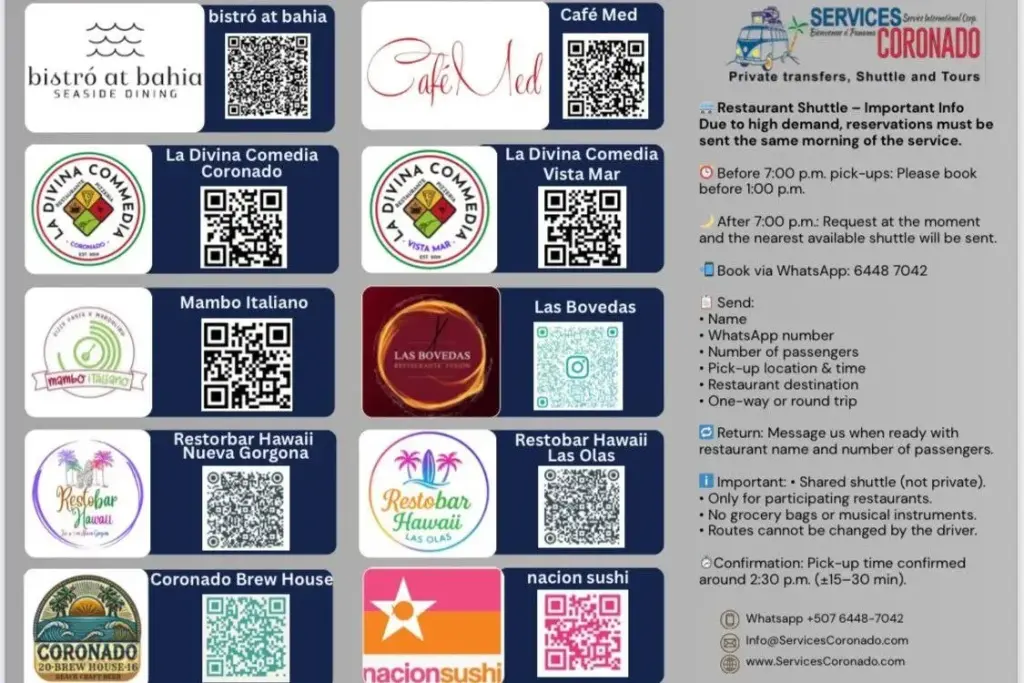
Their vans handle up to eight large suitcases, feature onboard Wi-Fi and coolers, and even allow pets. A complimentary thirty-minute supermarket stop is included in many trips, directly addressing the challenge of stocking a home without a car. These tailored amenities show how services evolve when they listen to residents.
Weather Logistics and Cost Analysis
Living without a car requires acknowledging Panama’s climate. The dry season from January to April allows for more walking. The heavy rains from May to December, however, can complicate travel. Downpours affect traffic flow and sometimes reduce the availability of ride-hailing drivers.
During the rainy season or when traveling with heavy luggage, pre-booking a larger vehicle is a wise strategy. Experts suggest anyone considering the switch should track their transportation costs for one month. Log every trip, its method, and its price.
Most people discover that the visible costs of taxis and private drivers are offset by eliminating car payments, insurance, maintenance, and expensive fuel. The stress of navigating Panama’s often aggressive traffic disappears as well. The financial equation increasingly favors going car-free.
Building a Reliable Mobility Toolkit
Successful car-free living in Coronado depends on a multi-option strategy. Residents recommend maintaining contact information for two or three dependable taxi drivers for short local hops. Community shuttles like Services Coronado are ideal for social restaurant trips where parking can be difficult.
For major journeys to the city or airport, comparing Uber prices with a preferred driver’s flat rate is standard practice. Booking these longer trips in advance provides peace of mind. The Uber or similar app remains a crucial backup for all other scenarios.
This integrated approach mirrors a global slow travel philosophy, prioritizing experience over speed. It also creates demand for more specialized like services that cater to niche needs. Coronado’s infrastructure is adapting in real time.
The community is proving that a car-free life on Panama’s Pacific coast is not a compromise. It is a conscious choice for convenience and calm. By swapping the steering wheel for a strategic mix of transport, people are finding more time and money to enjoy the beach lifestyle they originally sought.