


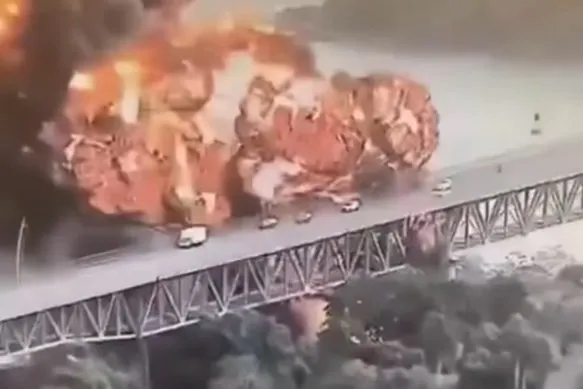
The Panama Fire Department has initiated a formal technical investigation into a major fuel tank explosion beneath the iconic Americas Bridge. The blast, which occurred at a port concession area, sent temperatures soaring above 1,000 degrees Celsius and resulted in one fatality. Specialists began on-site assessments on Monday to determine the exact cause of the failure and the structural integrity of the critical bridge.
Field evaluations include photographic documentation, evidence collection, and interviews with personnel working at the time of the incident. Industrial security experts from the private concession company are joining the official probe to provide additional context. The investigation’s immediate priority is pinpointing the precise origin of the explosion that rocked the Panama City area.
“Today will involve the field evaluations, photographic takes, and the collection of any evidence that can indicate what may have happened,” confirmed Colonel Ángel Delgado of the Panama Fire Department. [Translated from Spanish]
Authorities have simultaneously activated contingency plans to manage traffic and mobility around the bridge while the review is ongoing. The focus now shifts to a crucial structural integrity assessment. Fire department engineers are examining the bridge deck and supports for any damage caused by the intense radiant heat from the hours-long fire.
Bridge Safety and Emergency Response Under Scrutiny
Colonel Delgado emphasized the importance of these inspections for public safety. He expressed hope the bridge could soon return to normal use but stated the findings would dictate any necessary repairs. The incident marks the first emergency of this magnitude involving an explosion in the area, according to fire officials.
“It is important to do these reviews so we can know if this bridge can be used. We hope that is the case and that we can definitely return to some normality,” Delgado explained. [Translated from Spanish]
Containing the blaze required a massive response. Resources from five different fire stations, including Balboa and Clayton, were deployed to the scene. The complex operation lasted approximately four hours. It involved a search for a missing individual who was later found deceased. The Fire Department extended its condolences to the victim’s family.
Two firefighters sustained injuries during the response from exposure to extreme heat. Both were transported for medical observation and were reported to be in stable condition, out of danger, by early morning. The fire’s intensity necessitated more than just water. Crews employed specialized chemical agents for cooling and containment, with support from the Panama Canal Authority and the Idaan institute to secure water supplies for mixing these compounds.
Responders also addressed a fuel spill into nearby drains. They used absorbent systems and earth to prevent the flow of combustible material and to stop the generation of gases that could have triggered secondary explosions. Officials noted the presence of one bulk fuel tank in the area, with others reportedly empty at the time.
Ongoing Probe and Broader Safety Context
The investigation carries added significance due to recent sanctions against the port concession company operating at the site. This raises questions about the safety protocols in place before the incident. The use of a thermal imaging camera confirmed the extraordinary heat generated, which is a key data point for the structural analysis.
As the technical work continues, the community awaits answers. The findings will determine not only the cause but also the necessary steps to ensure such an event does not happen again. The Americas Bridge remains a vital artery for transportation, making its safe operation a top national priority. The fire department, led by officials like Ángel Delgado, faces the dual task of investigating this tragedy while assuring the public of the infrastructure’s safety.