


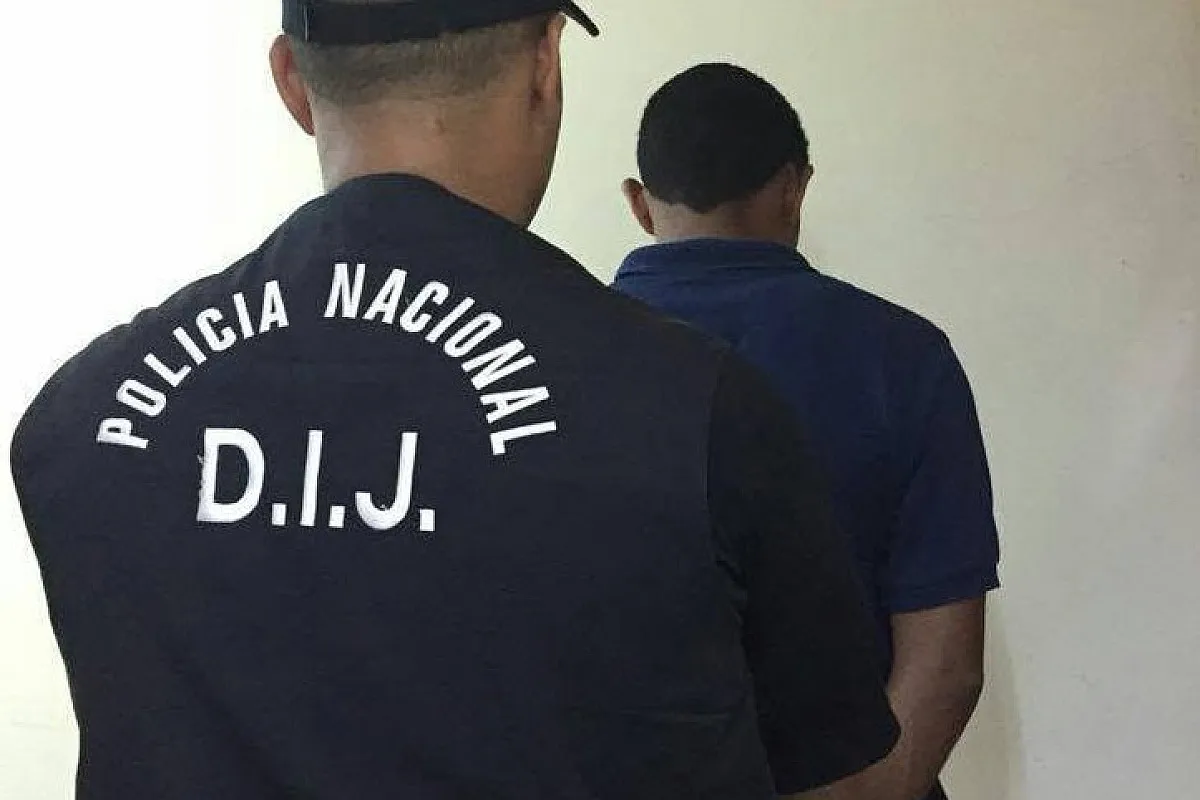
Five people arrested in Operation Jericho Panama accepted prison sentences ranging from five years to nearly six years after admitting their participation in a criminal structure that moved narcotics through Darién, the Guna Yala region, and Panama’s Pacific coastline. Judge Kerine Jaén validated the plea agreements during a hearing where the accused acknowledged holding meetings and conversations with network members who coordinated cocaine shipments from Colombia toward Costa Rica using vehicles with hidden compartments.
Breaking Down the Judicial Sentencing Rulings
Judge Jaén approved 60 month prison terms for Kelly Joana Soto, Karol Nicole Orantes Martínez, and Carlos Martínez. Alejandro Josué Rodríguez received a 68 month sentence while Richard Antonio Lamparero was handed 62 months behind bars. The court took a different approach for two of the female defendants, allowing Soto and Orantes Martínez to replace their prison time with community service obligations.
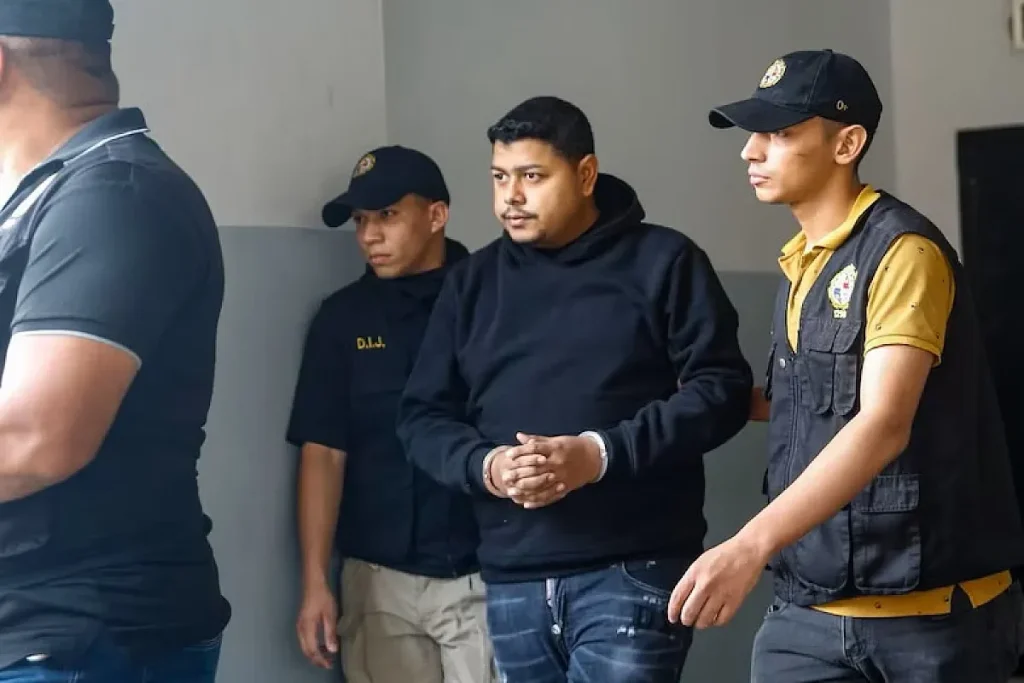
Soto will complete her community work at the Junta Comunal de Mateo Iturralde in San Miguelito district, while Orantes Martínez was assigned to the Junta Comunal de Las Lajas in Dolega, Chiriquí province. For Alejandro Rodríguez Bascombe, the judge ordered continued provisional detention until medical professionals from the Institute of Legal Medicine and Forensic Sciences evaluate his health condition. His attorney had requested house arrest based on documented medical problems.
Wiretaps and Surveillance Behind Operation Jericho Panama
The investigation, which launched on June 30, 2023, exposed a network dedicated to drug trafficking and money laundering, according to the Drug Prosecutor’s Office. Investigators compiled 24 documented events across 40 volumes, supported by 1,666 telephone interceptions and 153 separate surveillance operations. A specialized DIJ team transcribed the intercepted calls, linking 34 network members who discussed their criminal activities in recorded conversations.
“The defendants maintained contact with Francisco Serrano, one of the leaders of the criminal network, for the transport and storage of narcotics at a mechanic shop in the Juan Díaz township of Panama province” [Translated from Spanish]
Prosecutor Julio Campines presented that evidence during the hearing, connecting the five defendants directly to the logistics chain that moved drugs from Colombian territory to the Costa Rican border. The operation resulted in charges against 22 people and the seizure of more than $2 million in cash.
Political Ties and Money Laundering Allegations
Among those implicated in Operation Jericho is Abraham Rico Pineda, son of deputy Raúl Pineda. Authorities linked him to money laundering activities through Servicios Múltiples Rama S.A., a company that held contracts with public entities. That connection adds a layer of political sensitivity to a case already notable for its geographic reach and financial sophistication.
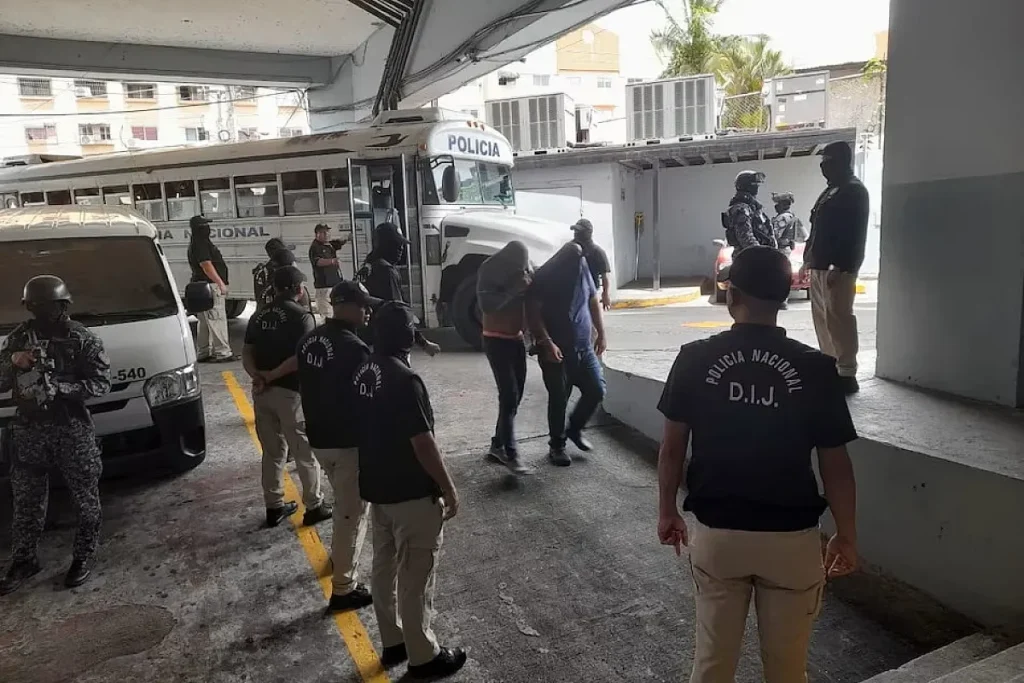
The laundering scheme allegedly funnelled drug proceeds through legitimate business operations, blending criminal revenue with government contract payments. Investigators continue to untangle those financial threads as more defendants face court proceedings.
Extradition and Network Leadership Dismantling
Last week, Néstor Sánchez arrived in Panama after being extradited from Colombia. Sánchez, identified as one of the alleged ringleaders of the criminal organization, was formally detained after prosecutors charged him with money laundering and conspiracy to traffic drugs. His extradition represents a significant step in dismantling the upper echelon of a network that spanned multiple countries and territories.
The case continues to evolve as additional defendants face hearings and sentencing decisions. With the five plea agreements now validated, attention shifts to the remaining accused, including those with alleged political connections and the suspected leadership figures recently brought into custody. The judicial process in Operation Jericho Panama has already produced tangible results, but the full scope of accountability remains an open chapter in this sprawling transnational investigation.