


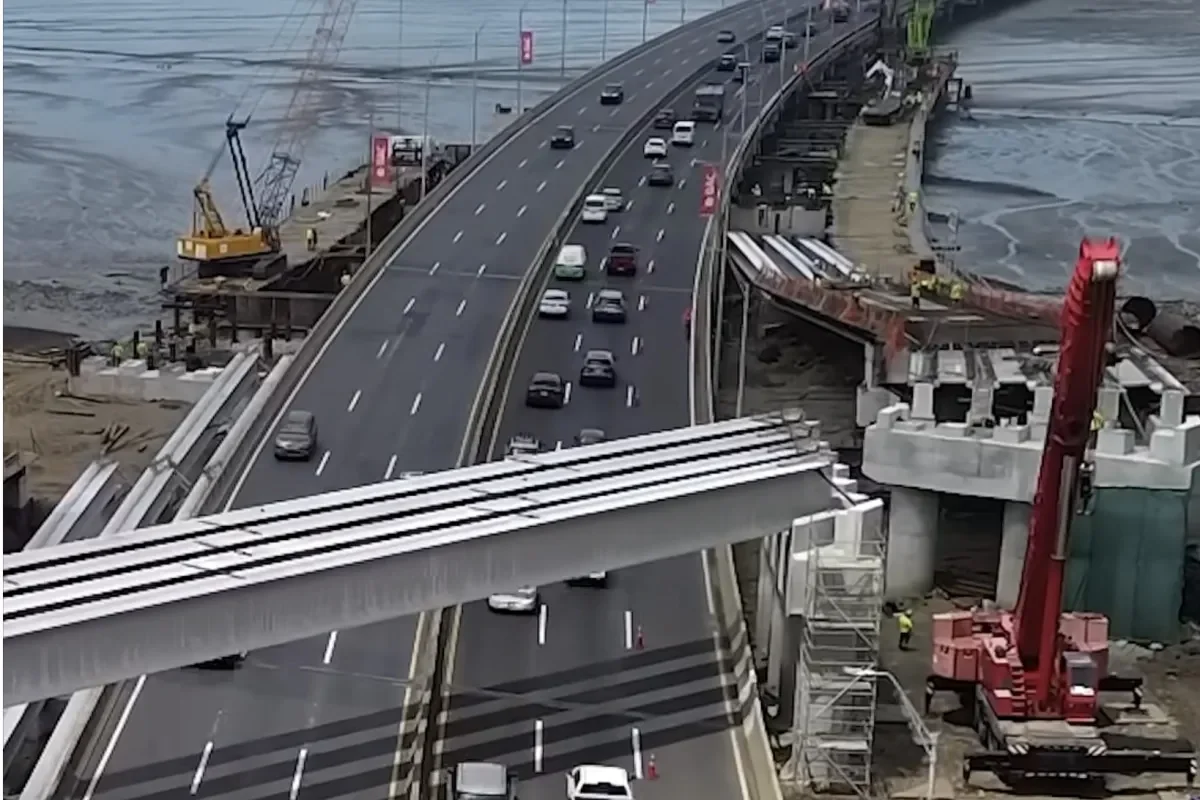
Drivers who use the Costa del Este interchange should brace for five months of construction activity as the Corredor Sur expansion moves into an intensive phase starting in August. Panama’s national highway authority, Empresa Nacional de Autopistas S.A. (ENA), confirmed that crews will work continuously through December, with lane restrictions expected to create unusual traffic patterns during daytime hours, overnight, and even on weekends.
Corredor Sur Expansion Work Schedule and Ramp Closures
The construction plan divides activity between two ramps, designated Ramp A and Ramp B. Both will see crews on site from 10:00 a.m. to 3:00 p.m. and again from 9:00 p.m. to 5:00 a.m. These windows apply to both ramps equally, according to ENA’s official notice. The schedule means midday commuters and late-night drivers will face the greatest disruption, while early morning and evening rush hours remain relatively untouched.
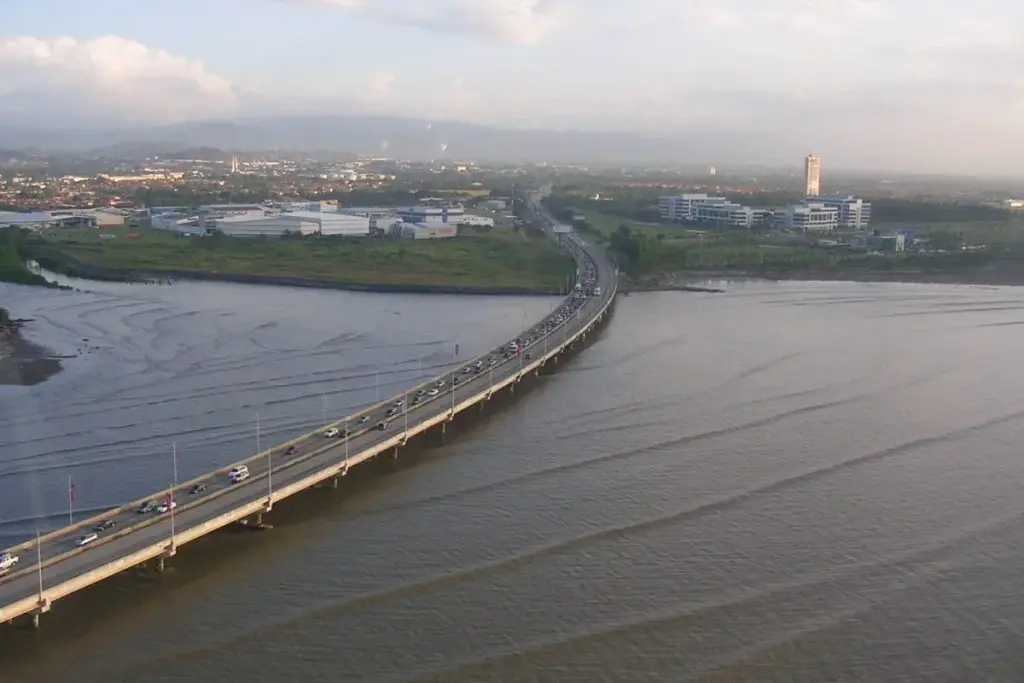
What stands out about this phase of the Corredor Sur expansion is its duration. Rather than sporadic weekend closures, ENA has committed to a sustained, months-long operation at one of eastern Panama City’s busiest junctions. The interchange connects commuters heading toward Costa del Este, a rapidly growing business and residential district, making any slowdown there a ripple effect across the metropolitan corridor.
Traffic Impact and Driver Preparedness
ENA warned that the work could generate extraordinary vehicle volumes at various hours, including periods when traffic would normally be light. Weekend drivers, in particular, should not assume clear roads simply because it’s a Saturday or Sunday. The authority specifically recommended that anyone traveling near the Costa del Este interchange plan their routes in advance and monitor updates about road conditions.
The numbers tell a straightforward story. Five months of continuous work, two ramps affected, twelve total hours of daily construction activity. Commuters who use the Corredor Sur as their primary artery to reach the eastern suburbs or the international airport will need to build extra time into their schedules, particularly between 10 a.m. and 3 p.m. when midday traffic mixes with active work zones.
ENA’s Communication Strategy and Project Flexibility
One notable aspect of ENA’s announcement involves the dynamic nature of the project itself. The highway authority stressed that while weekly schedules exist, the work’s inherent flexibility could lead to variations. If changes become necessary, ENA will issue special communications, a practice it has already followed in recent weeks.
The agency also moved to reassure drivers that no activity falls outside the announced hours. That clarity matters for people who might otherwise avoid the area at all hours, unnecessarily congesting alternative routes. By defining precise windows, ENA essentially tells drivers when to expect trouble and when to proceed normally.
Regional Growth and Long-Term Benefits
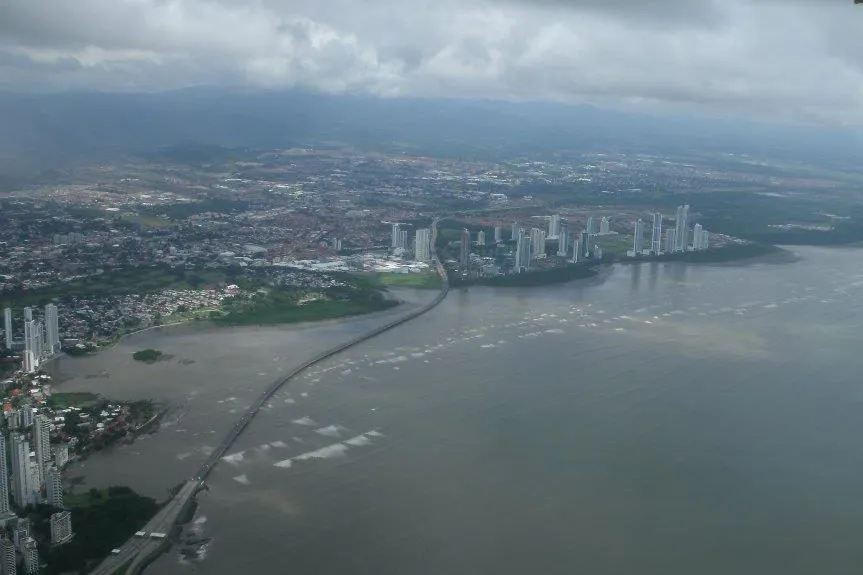
The interchange expansion reflects broader growth patterns across Panama City’s eastern sector. Costa del Este has transformed from a relatively quiet zone into a hub for corporate offices, residential towers, and commercial activity. The strain on existing infrastructure has grown accordingly, and the current work aims to address bottlenecks that have long frustrated daily commuters.
While the short-term inconvenience may test patience, transportation planners view projects like this as essential to maintaining mobility across one of Central America’s fastest-growing urban areas. For now, But, the immediate reality is concrete barriers, reduced speeds, and the need for vigilance through December. ENA’s message is direct: stay informed, plan ahead, and expect the unexpected near Costa del Este.