


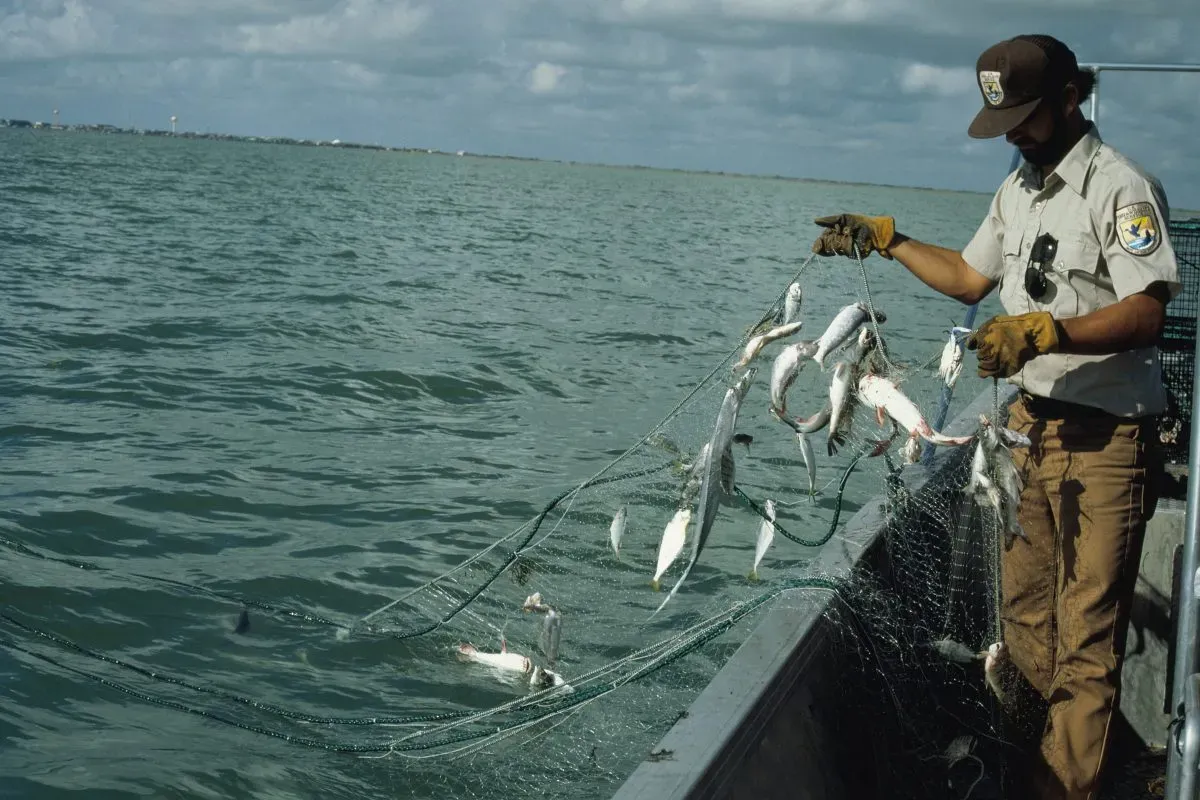
Panama’s government began registering artisanal fishers for a new fuel subsidy program on Friday. The initiative aims to offset rising operational costs and prevent price increases for consumers at local markets.
📑 Table of Contents
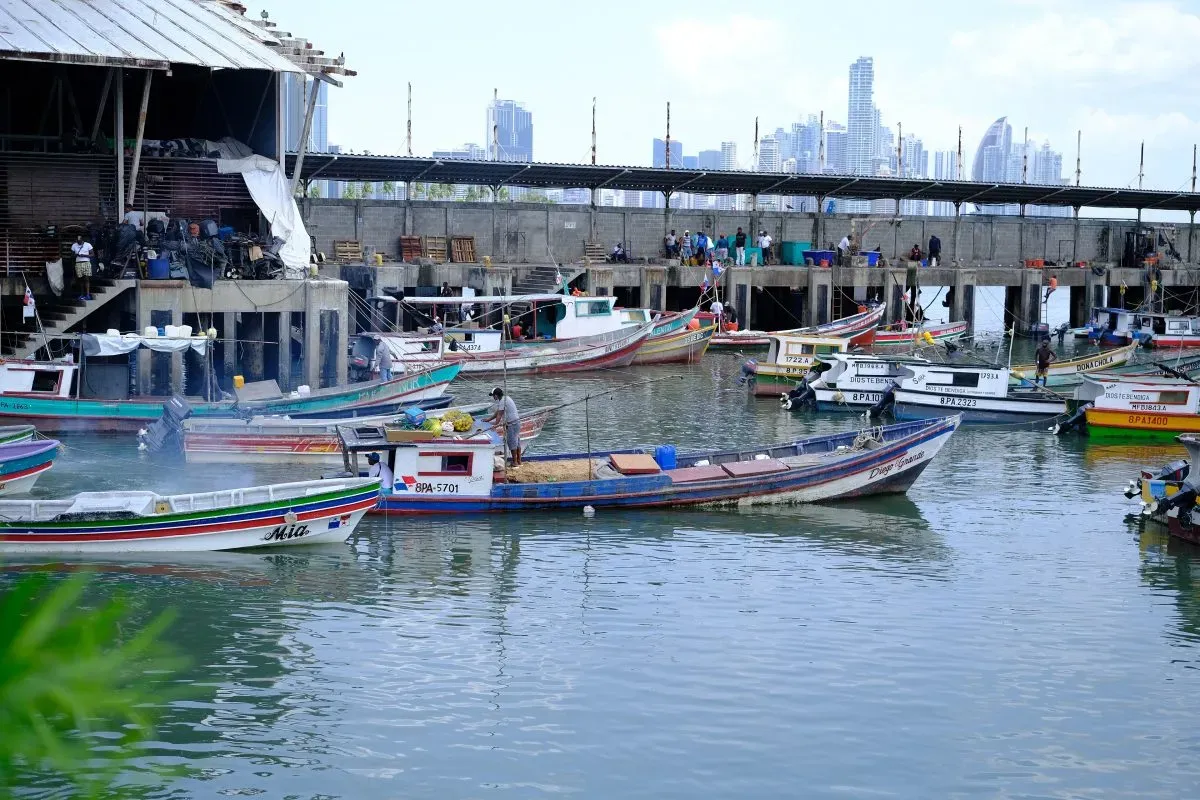
Registration efforts started at the Panama City dock near the Seafood Market, a hub of pre-dawn activity where crews unload catches after trips lasting up to fifteen days. Officials from several agencies are meeting with fishing representatives to outline the program’s digital registration process.
The subsidy targets a sector grappling with thin profit margins. Federation of Fishers President Jesús Morales explained the immediate focus is on smaller, outboard-motor vessels. He detailed the financial pressures facing crews after a recent seasonal fishing ban lifted.
“The fisherman is hit hard. Expenses increase for fuel, ice, food, and lubricants, and often it is not possible to generate profits,” said Jesús Morales, President of the Federation of Fishers. [Translated from Spanish]
Morales stated that artisanal boats typically make two trips monthly. Each voyage consumes 150 to 160 gallons of fuel, costing about $660 per outing before other expenses. Catches can vary wildly, from 5,000 to 6,000 pounds on good days to much lower hauls.
Economic Relief for a Critical Industry
This government intervention seeks to stabilize a key food supply chain. The fuel subsidy is designed to provide direct economic relief. Officials hope it will keep seafood affordable for Panamanian families.
Fishing supports a vast employment network beyond just those on the boats. Morales noted that a single artisanal vessel employs four to ten people. Larger semi-industrial boats involve up to twenty workers in unloading, sorting, weighing, and transportation roles.
National coordination remains a challenge. Morales estimates approximately 67,000 fishers operate from Punta Burica to Cabo Tiburón. Defining eligibility between artisanal, semi-industrial, and industrial operations is crucial for fair implementation.
The Panama Maritime Authority (ARAP) plays a central role in verification. A valid ARAP identification card is one preliminary requirement for subsidy enrollment through the Panama Conecta digital platform.
Stabilizing Prices and Livelihoods
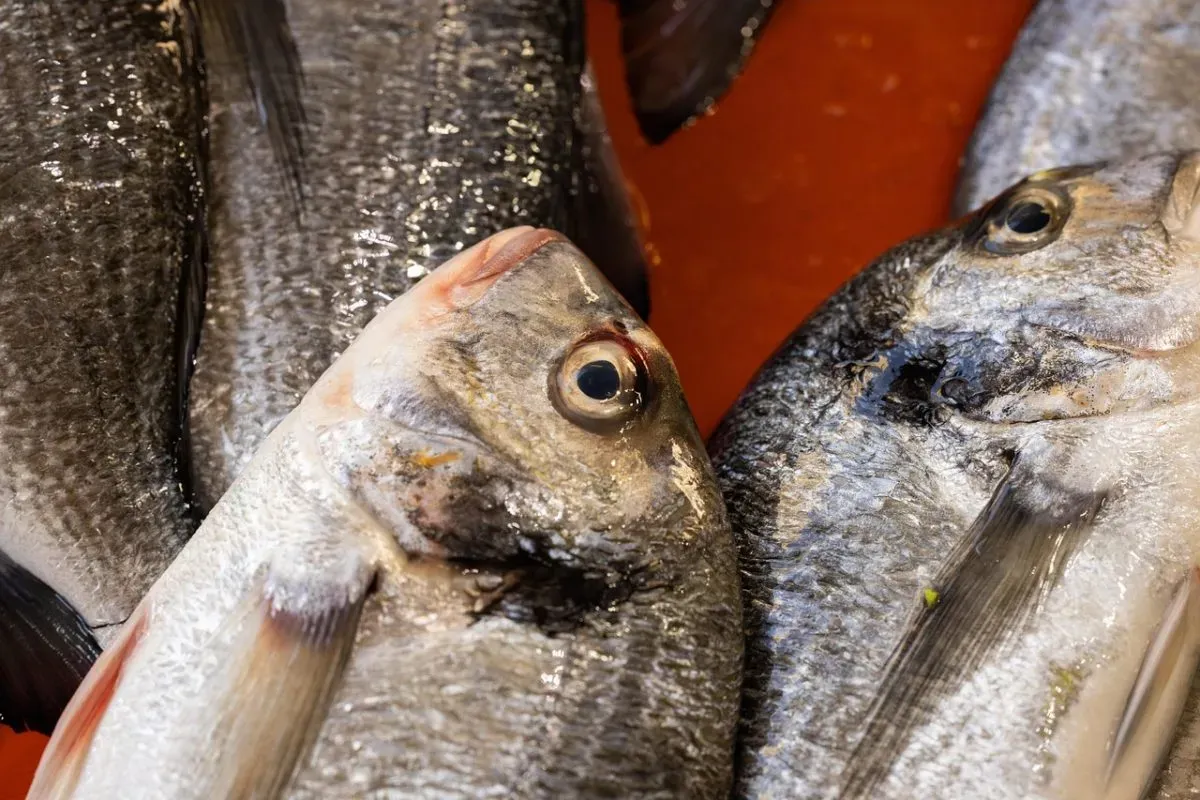
Fishers directly link fuel costs to market prices. Any reduction in their largest operational expense could help maintain stable costs for consumers. The subsidy arrives during a particularly difficult transition period for the fleet.
“We have to define the dynamics to separate the artisanal sector from the semi-industrial and industrial,” Morales added, highlighting the need for clear categories. [Translated from Spanish]
This national support for artisanal fishing acknowledges its cultural and economic importance. The sector provides fresh, locally sourced protein while sustaining coastal communities. Government meetings with the Ministries of Economy and Finance and the General Directorate of Revenue aim to streamline the aid process.
Success depends on efficient registration and fund distribution. Fishers now await the detailed guidelines and disbursement mechanisms. The industry views this subsidy as essential for its immediate survival and long-term sustainability.
Panama’s fishing communities are watching closely. They expect this promised relief to materialize quickly, allowing them to continue their work supplying the nation’s tables without facing financial ruin each time they leave port.