


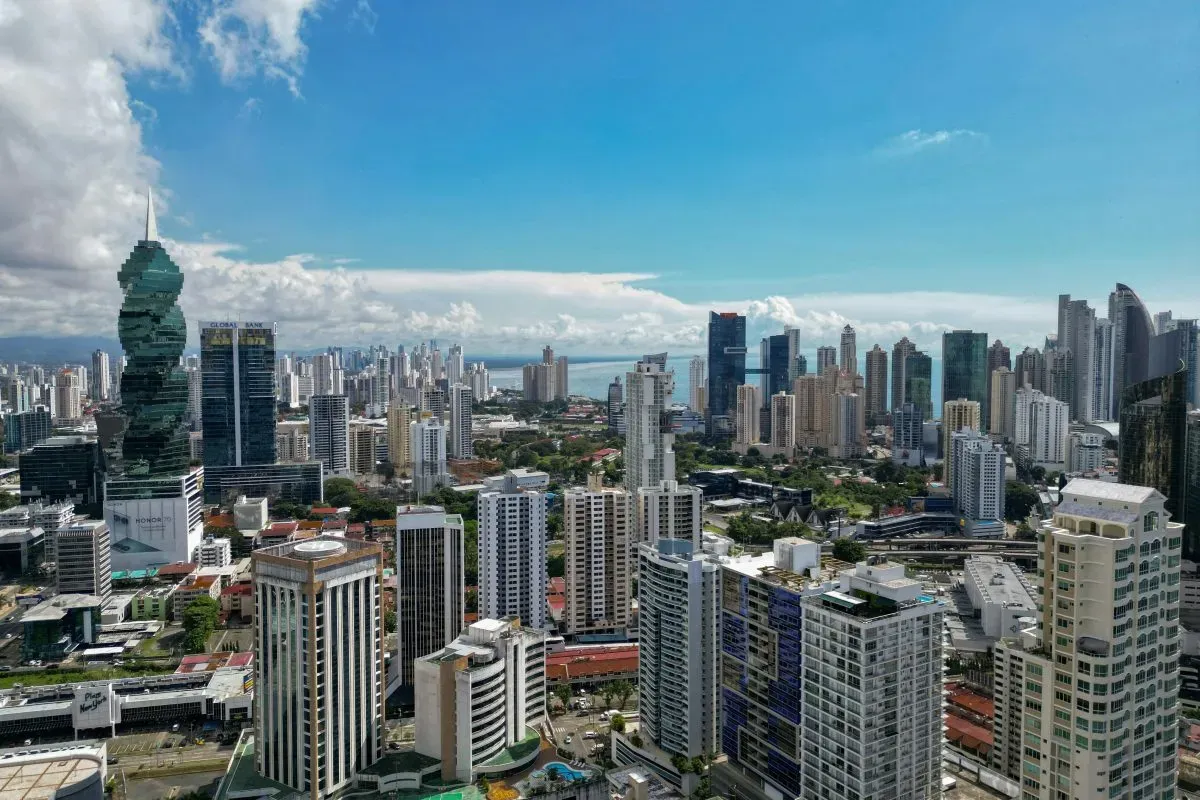
Panama City, Panama – The government has introduced a tax reform bill that would charge multinational companies a 15 percent rate if they cannot prove real economic operations in the country. Finance Minister Felipe Chapman presented the proposed changes to the National Assembly this week, targeting firms that use Panama to reduce or avoid taxes. The reform seeks to tighten controls on international corporate structures. It aims to convince the European Union to remove Panama from its tax haven blacklist. Officials say the new rules focus on the principle of Substance over form, meaning legal structures must match real business activities. Chapman’s proposal amends the existing Tax Code with a new chapter called “Rules of Economic Substance for Passive Income.” This section demands that companies demonstrate a genuine physical and operational presence in Panama. Without that proof, they lose favorable tax treatment.

Defining Economic Substance and Passive Income
The bill creates a clear definition of passive income subject to exceptional taxation. This includes dividends, interest, royalties, capital gains and real estate income. Firms that fail to meet the new requirements will face the 15 percent levy on gross income generated in Panama. International tax expert Luis Ocando, a director at Deloitte Panama, explained the logic behind the measure. “Passive income refers to earnings that do not require intense operational activity to generate,” Ocando said. “For example: dividends, interest, royalties, capital gains or real estate income. Unlike activities such as commerce, manufacturing or services, whose income can be structured relatively easily without the need for a relevant physical presence.” [Translated from Spanish] The reform introduces the concept of a “non-qualifying entity.” This applies to companies that fail to certify economic substance or violate reporting obligations. These entities must pay the 15 percent tax on gross passive income.
“This project presents substantial improvements compared to the initial text and constitutes the indispensable starting point for the country to be removed from the European Union list of non-cooperative jurisdictions in October,” said José Luis Galíndez, president of IFA Panama and an international tax expert. [Translated from Spanish]
Galíndez specifically referenced new Article 707-D in the Tax Code. He said the 15 percent rate aligns with the OECD’s global minimum tax proposal for multinational enterprises. The rule incorporates an income inclusion mechanism for passive income.
Targeting Tax Avoidance Structures
Ocando emphasized that the 15 percent levy applies only in specific circumstances. “It applies precisely in cases where there is a disconnect between the income and the real economic activity carried out in the country,” Ocando said. “When an entity in Panama receives these passive incomes from foreign sources but does not have sufficient economic substance in the country to justify that tax treatment. In that scenario, the law introduces this tax as a corrective mechanism.” [Translated from Spanish] He clarified the measure is not a general tax for all businesses. It targets entities that are part of multinational groups and obtain passive income through Panama. The goal is to prevent Tax avoidance, where companies use legal but aggressive strategies to reduce their tax bills. Ocando suggested the reform could benefit from regulatory clarifications. “It would be desirable to expressly confirm that this tax constitutes the definitive applicable tax, without generating additional burdens such as the dividend tax,” he said. [Translated from Spanish] He called for adjustments to ensure clarity, proportionality and legal certainty. Ocando also recommended that special regimes already meeting substance requirements and reporting to their respective regulators should maintain that supervision channel. This would avoid unnecessary duplication.
Pathway Off the European Union Tax Haven Blacklist
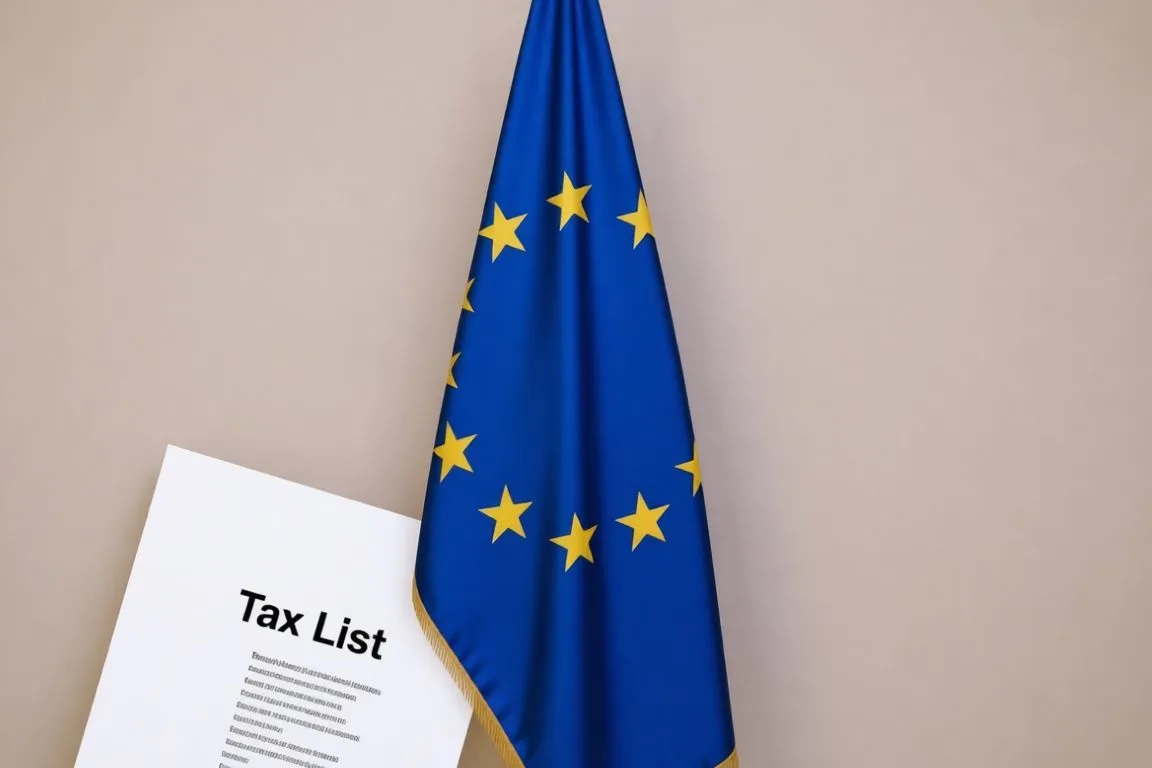
The reform represents Panama’s latest effort to address international tax transparency concerns. The European Union tax haven blacklist has included Panama for years. Removal requires demonstrable progress on tax cooperation and substance rules. Galíndez highlighted the practical impact. The project introduces an obligation for multinational groups constituted or domiciled in Panama to file income tax returns. This creates a clear reporting framework for authorities to monitor compliance. To qualify as a “qualified entity,” companies must demonstrate several elements within Panama. They need appropriately remunerated personnel. They must have suitable physical facilities. Strategic decision-making must occur inside the country. Operating costs and expenses must link directly to income generation. The Ministry of Economy and Finance stated the bill now enters debate in the National Assembly. Lawmakers will review the proposed Economic Substance rules alongside other fiscal measures. The government hopes for approval before the October review by European authorities. Panama’s financial services sector has watched the reform closely. International observers note the shift toward stricter enforcement. The new rules signal Panama’s commitment to meeting global standards on tax transparency and corporate accountability.