


The Panama Social Security Fund (CSS) has announced a data update initiative for patients affected by Diethylene glycol poisoning. These individuals receive a lifetime pension from the state. The program runs from Monday, May 18 to Friday, May 29, 2026.
Patients must visit designated health units between 8:00 a.m. and 12:00 p.m. The CSS confirmed this schedule applies to all locations of the Special Toxicology Center nationwide. Officials said the goal is to keep the database current and streamline administrative processes. This should improve how health services are delivered to victims.
Victims Must Coordinate With Liaison Doctors
The Panama Social Security Fund (CSS) stated that patients need prior coordination with their liaison physicians. This requirement is especially important for those living in interior provinces. The agency assigned specific days for attention in each region.
Required documents include the patient’s identity card. Patients also need the ID of the beneficiary family member and any legal guardian. The Special Toxicology Center patient card is mandatory as well.
This process seeks to strengthen care and guarantee more efficient management of services provided to people affected by the Mass poisoning in Panama, [Translated from Spanish]
The agency did not name the official who made this statement. However, the message appeared in an official press release distributed to local media outlets on Monday morning.
Health Units Across the Country Will Participate
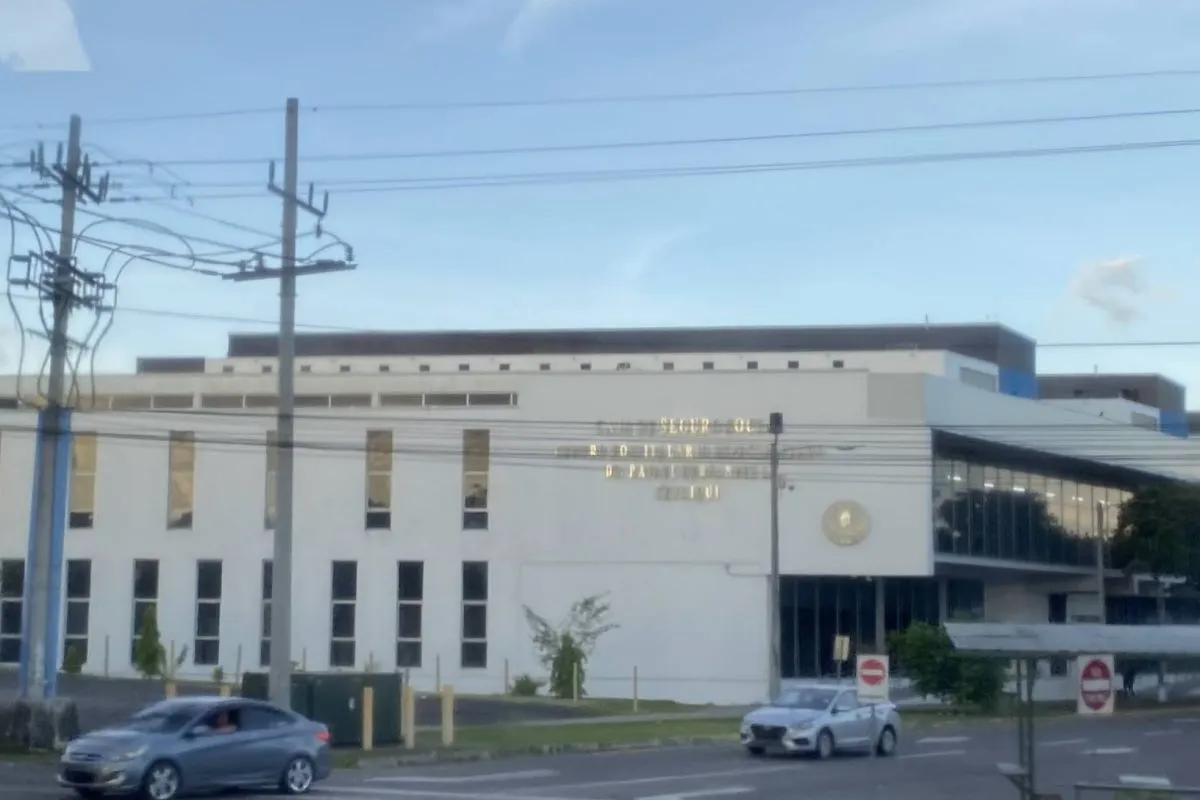
The CSS activated multiple executive units for this data update drive. In Panama province, patients should visit the Dr. Manuel Ferrer Valdés Polyclinic in Calidonia. Coclé province has the Dr. Manuel de Jesús Rojas Polyclinic in Aguadulce.
Herrera patients go to the Roberto Ramírez De Diego Polyclinic in Chitré. Los Santos offers the Miguel Cárdenas Barahona Polyclinic in Las Tablas. Veraguas uses the Horacio Díaz Gómez Polyclinic in Santiago. Colon province has the Hugo Spadafora Polyclinic available.
Chiriquí province has the most locations. These include the Dolega ULAPS, the Gustavo A. Ros Polyclinic in David, and the Pablo Espinosa B. Polyclinic in Bugaba. The Ernesto Pérez B. Polyclinic in Boquete is also open. The Dionisio Arrocha Hospital in Puerto Armuelles will participate. The Divalá ULAPS, the Dr. Rodrigo Hidalgo González Polyclinic in David, and the Faustino Fonseca ULAPS in Volcán complete the list.
Patients can call 513-1971, 503-1700, or 503-1705 extension 290 for more information. The agency stressed that only patients who coordinate with their doctors in advance will receive service.
Lifetime Pensions Follow Mass Poisoning Tragedy
The Social Security Fund pays these lifetime pensions as compensation for one of Panama’s worst public health disasters. The mass poisoning occurred between July and October 2006. Contaminated cough syrup containing diethylene glycol killed at least 78 people. Hundreds more suffered kidney damage and other permanent injuries.
Panamanian courts later ordered the state to pay compensation. The CSS must also issue public apologies to the victims. This data update represents one part of the ongoing administrative obligations tied to those court rulings.
The agency did not specify how many patients currently receive the lifetime pension. Medical experts estimate the number at several hundred people. Many still require ongoing treatment for kidney failure and other complications from the poisoning.