


The Technological University of Panama has opened a pilot project in Aguadulce, Coclé province. This initiative uses black soldier fly larvae to convert organic waste into valuable resources. Officials announced the launch this week as a direct response to the country’s growing solid waste problem.
Panama generates more than 2,000 tons of organic waste each year. Much of this material ends up in open-air landfills across Coclé province. The resulting leachate production creates serious environmental contamination and public health risks. The university developed this project with support from the National Secretariat of Science, Technology and Innovation, known as Senacyt, along with other partner organizations.
The process relies on a natural biological mechanism. Black soldier fly larvae consume large quantities of organic matter in a very short time. This Black soldier fly bioconversion method transforms waste into two main products. First, the process creates natural compost for soil enrichment. Second, it produces protein-rich biomass suitable for animal feed.
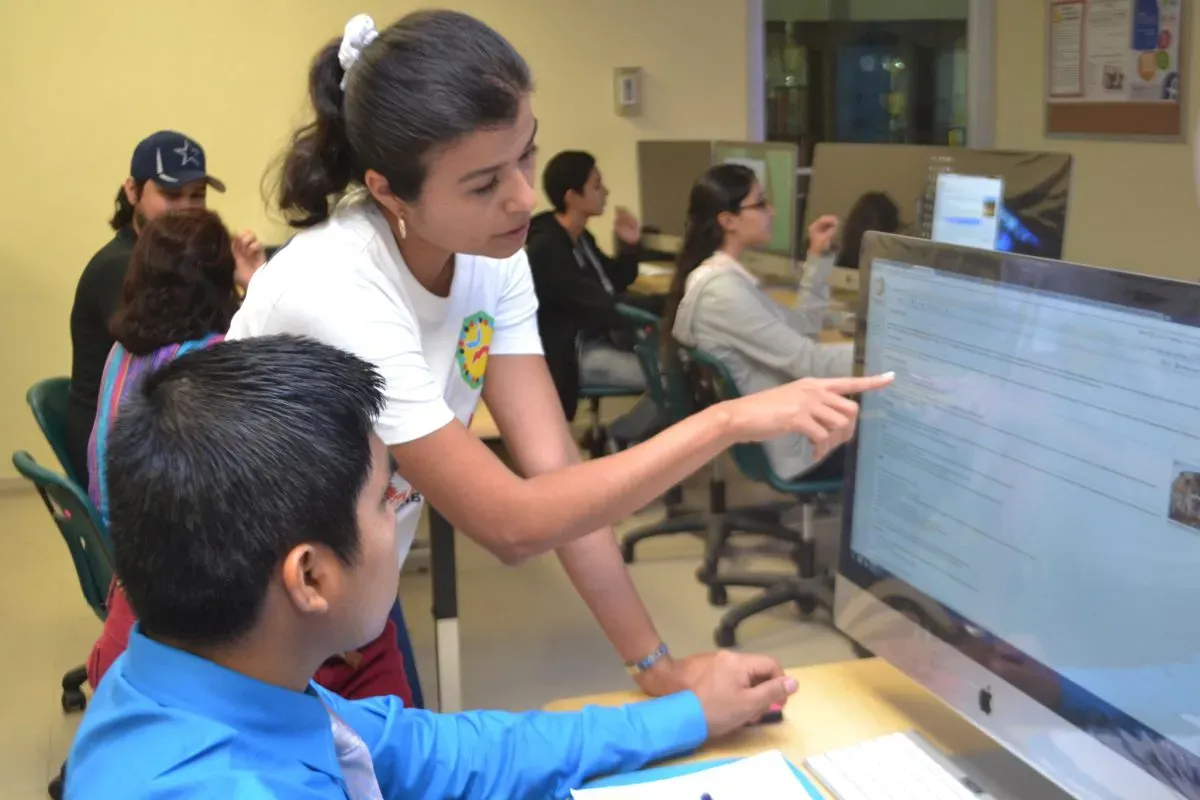
Research Driven by Environmental Necessity
Carlos Alberto Medina Cerrud serves as the national director of Research at the Technological University. He emphasized the project’s importance for the nation’s environmental future.
“This initiative reflects our university’s deep commitment to applied research. We are actively seeking innovative solutions for Panama’s most pressing environmental challenges.” [Translated from Spanish]
The project directly addresses the inadequate management of agro-industrial food waste. Open dumping remains a common practice in many rural areas. These sites produce harmful gases and liquids that seep into groundwater. The pilot program offers a controlled, scientific alternative to this outdated approach.
Researcher Pablo Montero from the UTP provided specific data on the waste problem. He noted that improper disposal generates significant pollution across the region. The Panama organic waste management sector has struggled for decades with limited infrastructure and funding. This biological solution requires minimal energy input compared to industrial composting facilities.
“Using the black soldier fly represents a completely natural alternative. We can transform these waste materials into reusable resources with real economic value.” [Translated from Spanish]
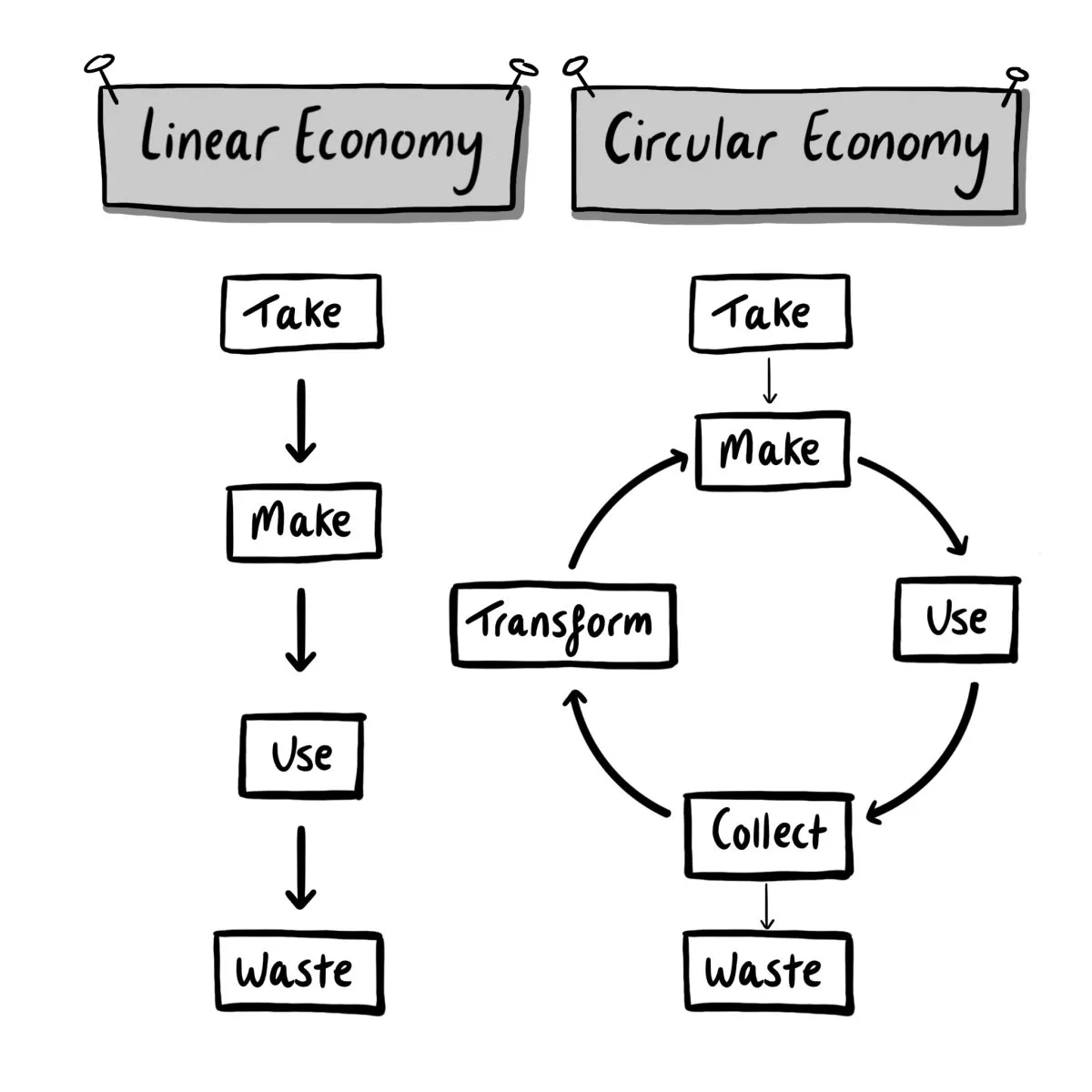
Circular Economy Model Takes Root in Coclé
The university is betting big on sustainable technology models. This pilot project aims to demonstrate how biological systems can replace costly mechanical treatment methods. Researchers will monitor the larvae’s performance across different waste types. They will measure conversion rates, compost quality, and protein yields.
This effort aligns with broader regional trends. The Circular economy in Latin America has gained momentum as countries seek to reduce landfill dependence. Panama’s government has identified waste management as a critical infrastructure priority. The pilot in Aguadulce could serve as a template for similar projects nationwide.
Local communities stand to benefit directly from the program. The project creates opportunities for small-scale waste collection and processing. Farmers could access low-cost organic fertilizer for crop production. Animal feed producers might find a reliable protein source from the harvested larvae.
The university plans to expand the pilot based on initial results. Researchers will train local operators in bioconversion techniques. They will also study the economic feasibility of scaling up the operation. The Technological University has positioned itself as a leader in environmental research across Central America.
Construction crews are not involved in this project. No bridges or roads are being built here. This is a biological infrastructure project. It uses living organisms to solve a man-made crisis. The larvae work around the clock without fuel or electricity. They consume waste, grow fat, and leave behind nutrient-rich castings.
Panama’s open landfills release methane gas into the atmosphere. They attract disease-carrying pests. They contaminate nearby water sources. The black soldier fly offers a contained, controlled solution. The larvae eat the waste before it can rot and produce harmful byproducts.
Project leaders expect to publish preliminary data within six months. They will compare their results against traditional composting methods. Success could trigger investment in larger facilities. Failure would still provide valuable data for future research efforts.
The university invites local businesses to participate in the pilot. Food processors, grocery chains, and agricultural producers can contribute waste materials. In return, they will receive processed compost and protein products. This creates a closed-loop system that benefits everyone involved.
Senacyt officials praised the project for its practical approach. They highlighted the low cost and high efficiency of biological conversion. The agency has funded similar initiatives in other provinces. Coclé was chosen because of its high concentration of agricultural activity.
Pablo Montero summarized the project’s core mission simply. “We are turning a problem into an opportunity. The waste becomes a resource. The larvae become a tool. This is how we build a sustainable future for Panama.”