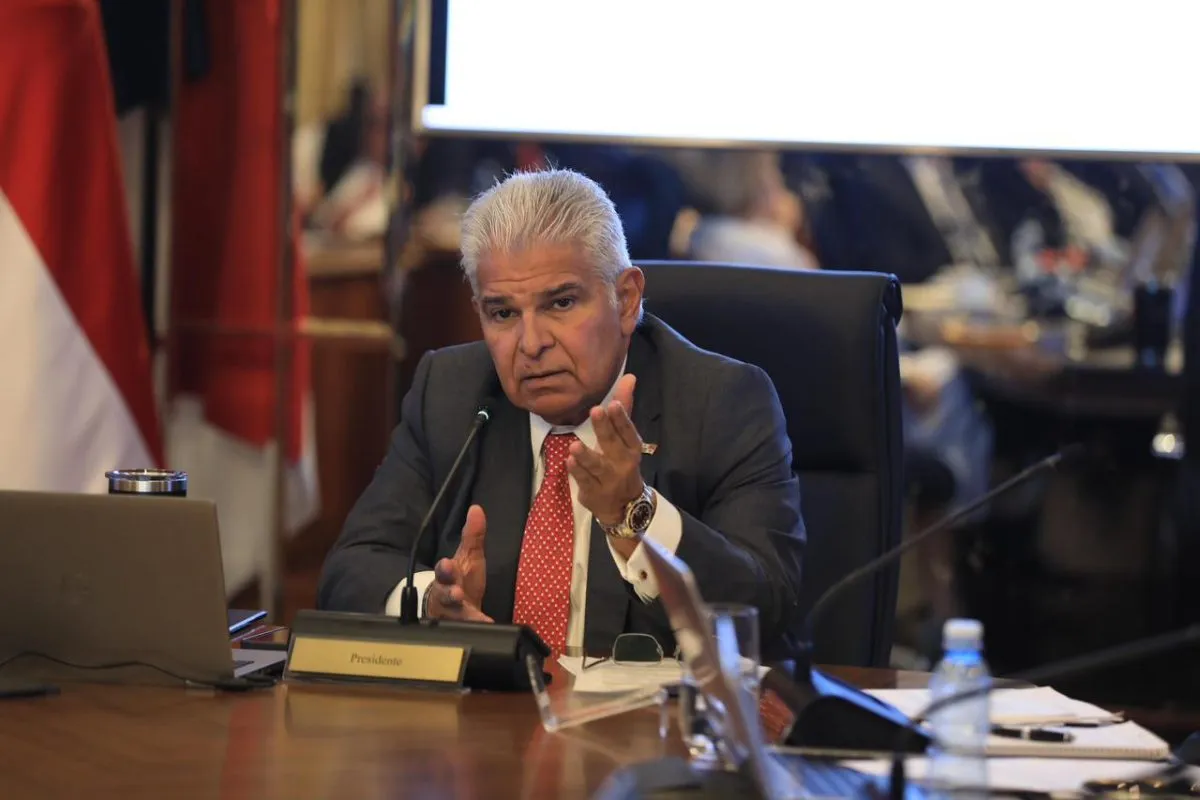
Panama’s President José Raúl Mulino has publicly defended the nation’s pursuit of membership in the Organisation for Economic Co-operation and Development. The president stated that joining the OECD would unlock new investment opportunities and strengthen institutional frameworks. He made these remarks during his weekly press conference on Thursday.
The push for membership represents a major shift in Panama’s international strategy. Mulino previously held critical views toward the organization. But he now argues that Panama’s current circumstances demand a more integrated global role. “The country must always seek better scenarios than where we currently stand,” Mulino said. [Translated from Spanish]
Mulino emphasized the broader benefits of OECD membership. “Just as we have made a tremendous effort to leave almost all the lists, being in that organization opens doors for us. It places us in a better country rating before the world,” he explained. [Translated from Spanish]
“I anticipate this is a very long process. I may not see it concluded as President of the Republic.” [Translated from Spanish]
The president confirmed he formally presented Panama’s interest in joining the OECD during an official visit to French President Emmanuel Macron in September and October 2024. He acknowledged the lengthy timeline involved in the OECD accession process. The journey requires extensive policy reviews and reforms.
Economic Benefits and International Perception
Mulino stated that OECD membership would improve Panama’s international perception significantly. Better ratings could translate into concrete advantages for both private and foreign investment. “I am sure that all these things will eventually result in benefits for private investment, foreign investment, and the very functioning of the Panamanian nation,” he noted. [Translated from Spanish]
The president confirmed Panama is receiving Inter-American Development Bank support for Panama‘s initial accession stages. This assistance focuses on presenting the country’s development model to OECD evaluators. The process involves demonstrating economic transparency and regulatory quality.
Mulino clarified that the economic substance bill currently before the National Assembly is separate from the OECD process. “That matter has nothing to do with the bill being discussed in the Assembly on economic substance. They are different issues,” he stated. [Translated from Spanish]
The president explained the economic substance legislation targets a different objective entirely. “We are working with the National Assembly on that bill to fulfill a very important goal: leaving the last list we still have in Europe. That’s all it’s about,” he said. [Translated from Spanish]
The Panama economic substance law requires companies to demonstrate genuine physical presence and local operations. This addresses European Union concerns about tax transparency and information exchange.
Minister Chapman Emphasizes Generational Vision
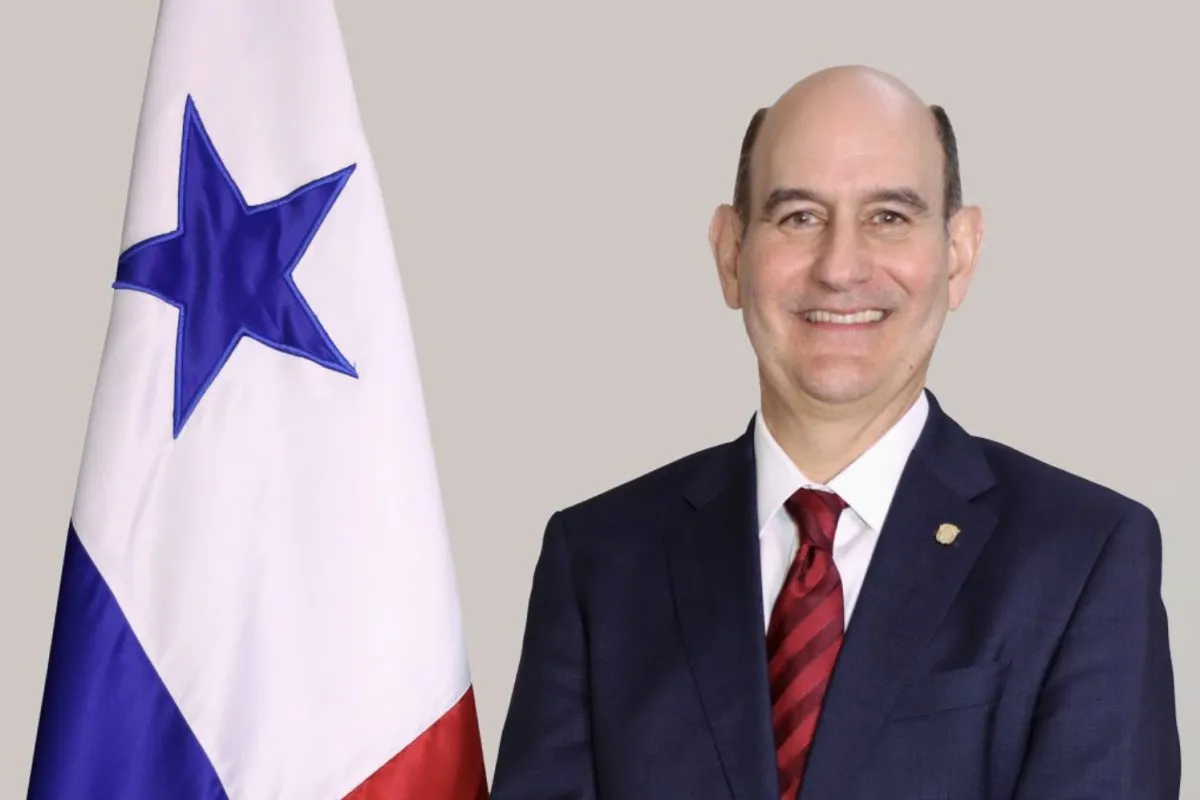
Economy and Finance Minister Felipe Chapman framed the OECD bid as a decision for future generations. “Being part of the OECD is a medium and long-term decision. It means thinking not about this five-year term but about the next generations,” Chapman stated. [Translated from Spanish]
The minister highlighted the organization’s international standards. These could help Panama improve education systems and institutional capacity. “There are very important aspects that are not mandatory requirements but open an opportunity for the country to strengthen its institutions,” he commented. [Translated from Spanish]
Chapman noted that global standards could directly impact young Panamanians. “Global standards help improve education significantly and allow our youth to be properly prepared for a highly changing world,” he indicated. [Translated from Spanish]
The minister emphasized that Panama would not be forced to adopt every OECD provision. Each member country selects priority areas based on national needs. “Not all countries are the same. Panama’s needs are not the same as Finland’s or Sweden’s,” Chapman added. [Translated from Spanish]
Chapman concluded that the ultimate goal involves building stronger, more resilient institutions. “This forward-looking thinking, especially focused on young people, is about creating much more robust and stronger institutions. They deserve a much more resilient country,” he affirmed. [Translated from Spanish]
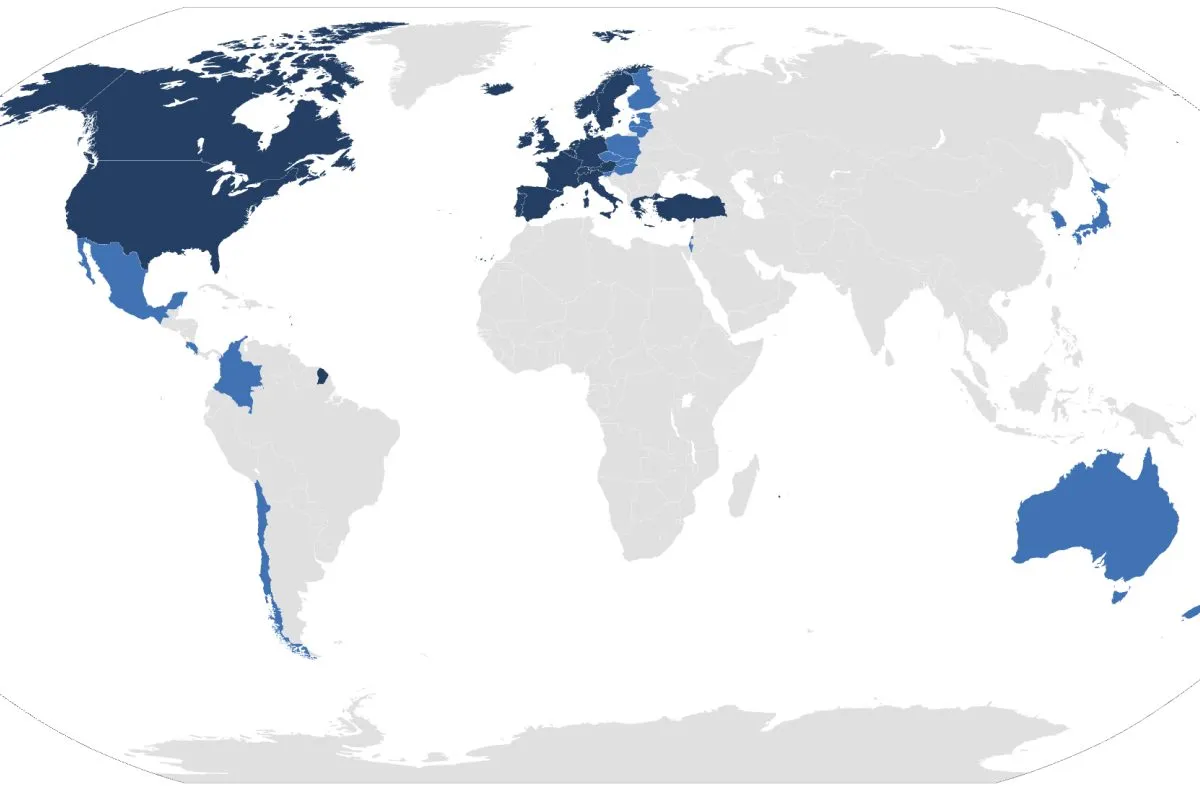
Neighboring countries including Colombia, Costa Rica, and Mexico already hold OECD membership. Panama’s accession would further integrate Central America into the organization’s framework of developed and emerging economies.