



Panama has solidified its position as a premier corridor for migratory birds. These birds travel thousands of miles each year between North America and the southern hemisphere. The country offers them forests, wetlands, and protected areas for rest and feeding.
This news comes as World Migratory Bird Day arrives on May 10. Specialists and environmental authorities have stressed the urgent need to preserve these ecosystems. The survival of countless species depends on these critical stopover points.
According to the 2025 edition of the List of Birds of Panama, the nation has documented 1,030 bird species. Of that total, 177 are migratory. Species crossing Panamanian territory include the Broad-winged Hawk, the Prothonotary Warbler, the Western Sandpiper, and the Scarlet Tanager.
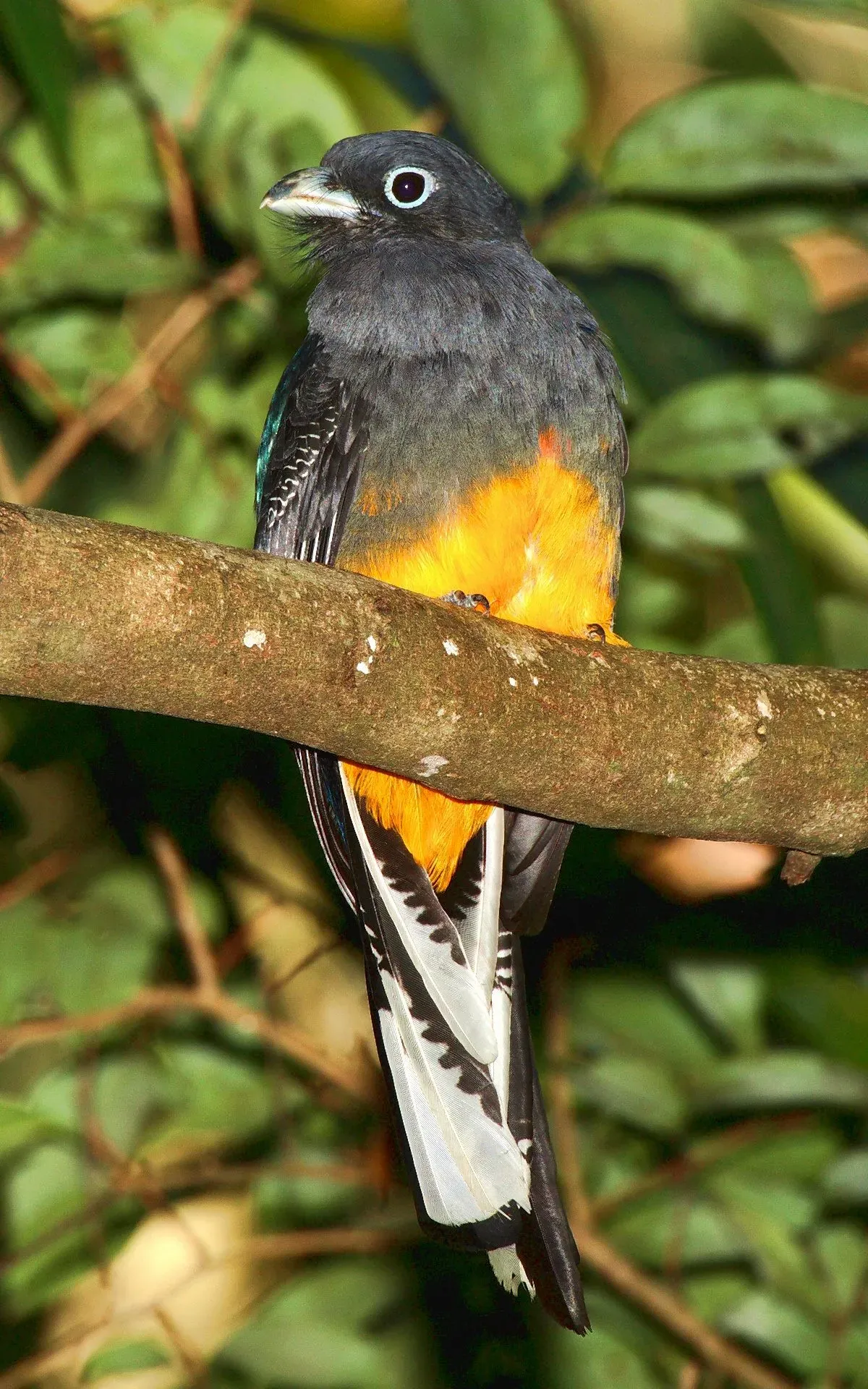
Conservation Concerns Threaten Bird Populations
The environmental picture raises serious alarms. Nearly one-third of all bird species recorded in Panama face some level of threat or extinction risk. Deforestation, habitat loss, pollution, and illegal wildlife trafficking drive this crisis.
Experts point out that migratory birds serve as natural indicators of ecosystem health. A decline or disappearance of certain species can signal environmental damage. That damage eventually harms forests, wetlands, and even agricultural crops through increased pest populations.
Bird migration patterns are shifting globally. Panama’s geographic position makes it an unavoidable crossroads for these journeys. The country’s laws, including Law 24 of 1995 and Decree 43 of 2004, prohibit the capture, commercialization, and illegal transport of species without authorization.
Panama is a critical bridge for birds traveling between two continents. Protecting these habitats is not optional. It is a matter of ecological survival. [Translated from Spanish]
The quote comes from a representative of the Audubon Society Panama. The organization has tracked bird populations across the isthmus for decades. Their data shows that some migratory species have declined by more than 40 percent since 2010.
Avitourism Gains Economic and Conservation Momentum
Beyond ecological value, bird watching has become a growing economic force. Avitourism, linked to nature tourism and bird observation, generates income for local communities. It also promotes environmental conservation across the country.

Top destinations for bird observation include Soberania National Park, Camino de Cruces National Park, Chagres National Park, Volcán Barú National Park, and the Metropolitan Natural Park. These sites are recognized for their species diversity and unique ecosystems.
Local guides have reported a surge in foreign visitors. Tourists come specifically to see species like the Harpy Eagle or the Resplendent Quetzal. Hotel bookings near these parks have increased by 25 percent over the past two years.
Environmentalists warn that protecting these spaces will be essential. Climate change and pressure on natural resources threaten to disrupt migration routes. Without intervention, the bird populations that rely on Panama could face collapse.
The Panamanian Ministry of Environment has launched new monitoring programs. These programs track bird numbers and habitat conditions in real time. Officials hope the data will inform better land-use decisions.
Birds do not recognize political borders. Their survival depends on international cooperation. Panama’s role as a migratory corridor makes its conservation efforts globally significant.
The Audubon Society Panama has called for stronger enforcement of existing laws. They also want more protected areas established along key flyways. The next migration season begins in August. Conservationists are racing to prepare.