


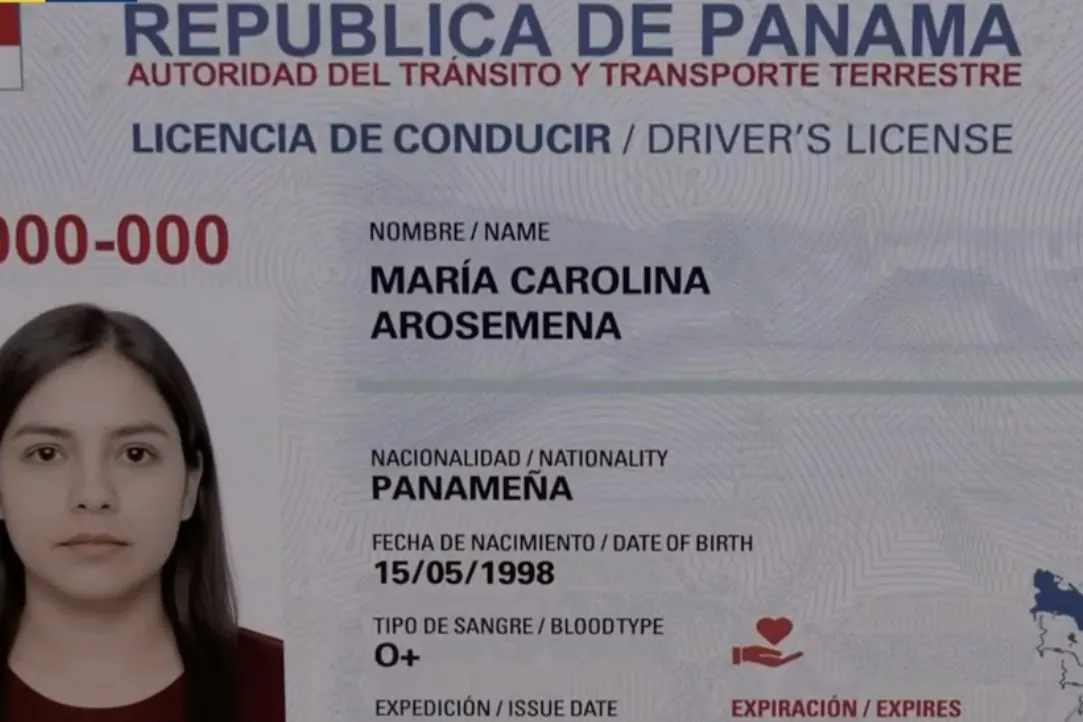
From contactless payments to digital boarding passes, smartphones have steadily absorbed the contents of our wallets. Panamanian motorists will soon add another essential document to that list as authorities finalize preparations to deploy the country’s first digital driver license within days. The launch marks a significant leap in the government’s push to modernize public services and give citizens one less plastic card to carry.
A Milestone in Panama’s Digital Transformation
Long before this moment, Panama laid the groundwork for centralized digital identity through the Panamá Conecta platform. Launched as a one‑stop hub for government paperwork, the portal already allows residents to obtain a digital signature, download a police clearance certificate, and access other official records without visiting a single office. Tying the digital driver license to the same ecosystem feels like a natural progression, mirroring moves seen in countries such as Australia, Singapore, and several U.S. states that have embraced mobile driver’s licenses.
Officials at the Traffic and Land Transportation Authority (ATTT) have spent weeks training inspectors and fine‑tuning the technology behind the scenes. The agency confirmed that all cybersecurity protocols have been validated, so the digital credential will carry the same legal weight as its physical counterpart. Authorities stressed that the virtual document is meant to complement, not replace, the laminated card, giving drivers flexibility during traffic stops or routine checks.
What the Digital Driver License Means for Panamanian Drivers
Beyond the convenience factor, the digital version could shorten interactions with inspectors and reduce disputes over lost or forgotten documents. Police officers will be able to verify the credential through a secure app, pulling up the holder’s driving record in real time. ATTT director Nicolás Brea acknowledged that the final bureaucratic steps are being wrapped up right now, telling reporters that the agency is pushing to cross the finish line.
“To finalize the issuance of the digital document, we will complete the corresponding legal procedures.” [Translated from Spanish]
That statement confirms the project has moved past the technical pilot phase and is now dealing with administrative formalities. Once those hurdles are cleared, the digital driver license will appear inside the user’s Panamá Conecta account, ready to be displayed on any smartphone screen. Drivers who have grown accustomed to showing a photo of their license in an emergency can finally rely on an official, government‑backed version.
Step-by-Step Guide to Getting Your Digital Credential
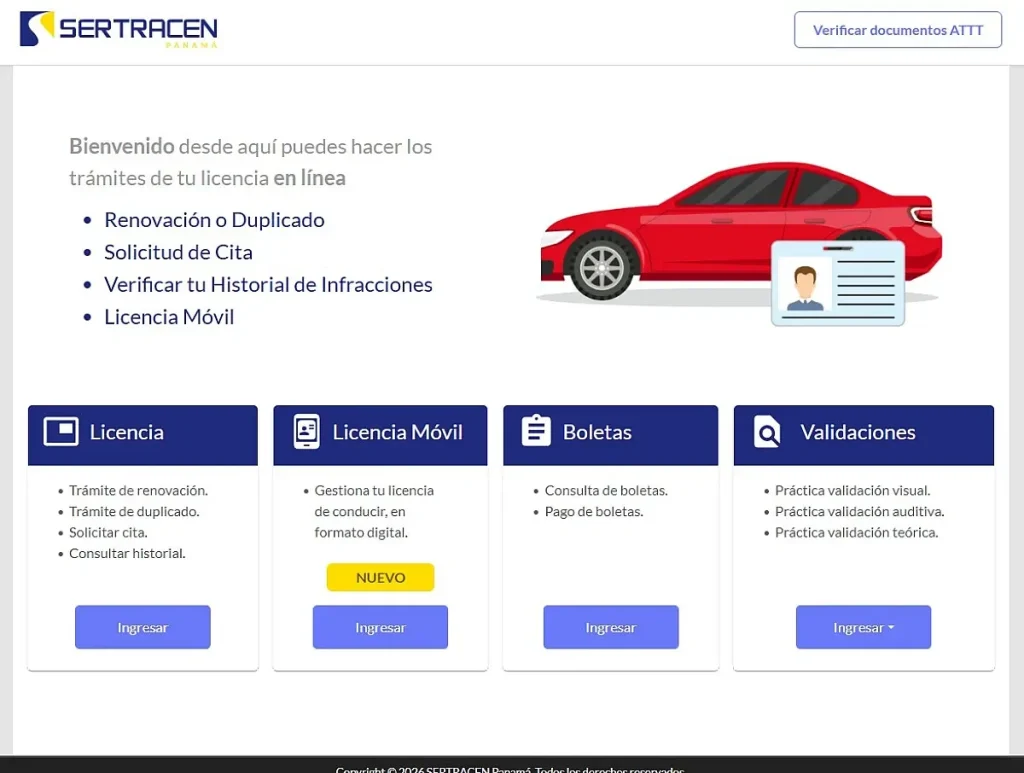
Anyone eager to activate the feature will need three things: a valid physical driver’s license that is not suspended or expired, a clean slate with the ATTT meaning zero outstanding fines, and an active profile on the Panamá Conecta website. Setting up that profile takes only a few minutes. First, open panamaconecta.gob.pa in a browser and click the “Accede al portal” button. New users should choose the option to create an account, then enter their national ID number, full legal name, and date of birth exactly as they appear on the cédula.
The system will ask a set of security questions drawn from public databases to confirm the user’s identity. After passing that verification, the applicant creates a password and gains access to the dashboard. From there, linking an existing license follows a guided workflow that pulls data directly from the ATTT’s records. The entire process is designed to be self‑service, though support channels will be available for people who hit a snag with identity verification or mismatched information.
Behind the Scenes of the System’s Security Validation
Before the green light could be given, inspectors underwent scenario‑based training to learn how to read the digital document’s dynamic security features. Unlike a static photograph, the official digital driver license incorporates time‑sensitive visual markers and encrypted data that can be refreshed, making it much harder to counterfeit. Technicians also ran penetration tests against the platform to guard against unauthorized access, addressing vulnerabilities before any citizen information goes live.
With the legal paperwork now nearing completion, the final barrier is essentially administrative. Officials have not announced a hard launch date, but the message from Brea makes it clear that the wait will be measured in days rather than weeks. When that moment arrives, Panama will join a select group of nations that treat a phone as a fully capable identity document, closing the gap between the digital services already available online and the physical reality of a roadside checkpoint.
The arrival of the digital credential does more than save space in a pocket. It signals that public institutions are serious about cutting red tape and embracing the same kind of frictionless, mobile‑first experience that people expect from private companies. For Panama’s drivers, that means one more reason to leave the glove compartment shut and the phone in hand.