


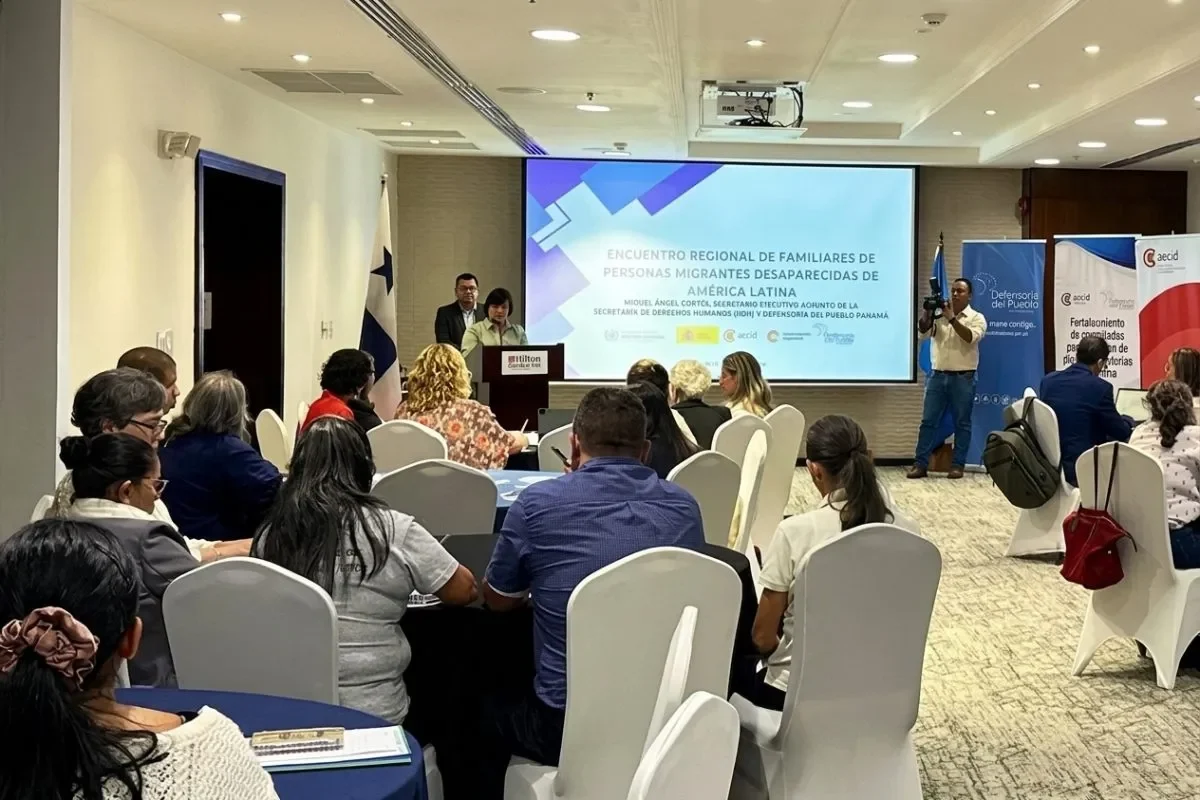
After 21 years of uncertainty, Honduran activist Marcia Martínez finally found her sister through social media, a reunion that seemed impossible during two decades of silence. Her story took center stage Tuesday in Panama City, where families, human rights organizations, and United Nations representatives gathered to confront the growing crisis of missing migrants across Central and South America.
The regional meeting, organized by Panama’s Ombudsman’s Office, brought together voices from across the hemisphere to address disappearances that occur as people travel through dangerous corridors toward the United States. For many families, the gathering represented a rare opportunity to demand answers directly from the institutions responsible for protecting human rights.
State Responsibility for Missing Migrants
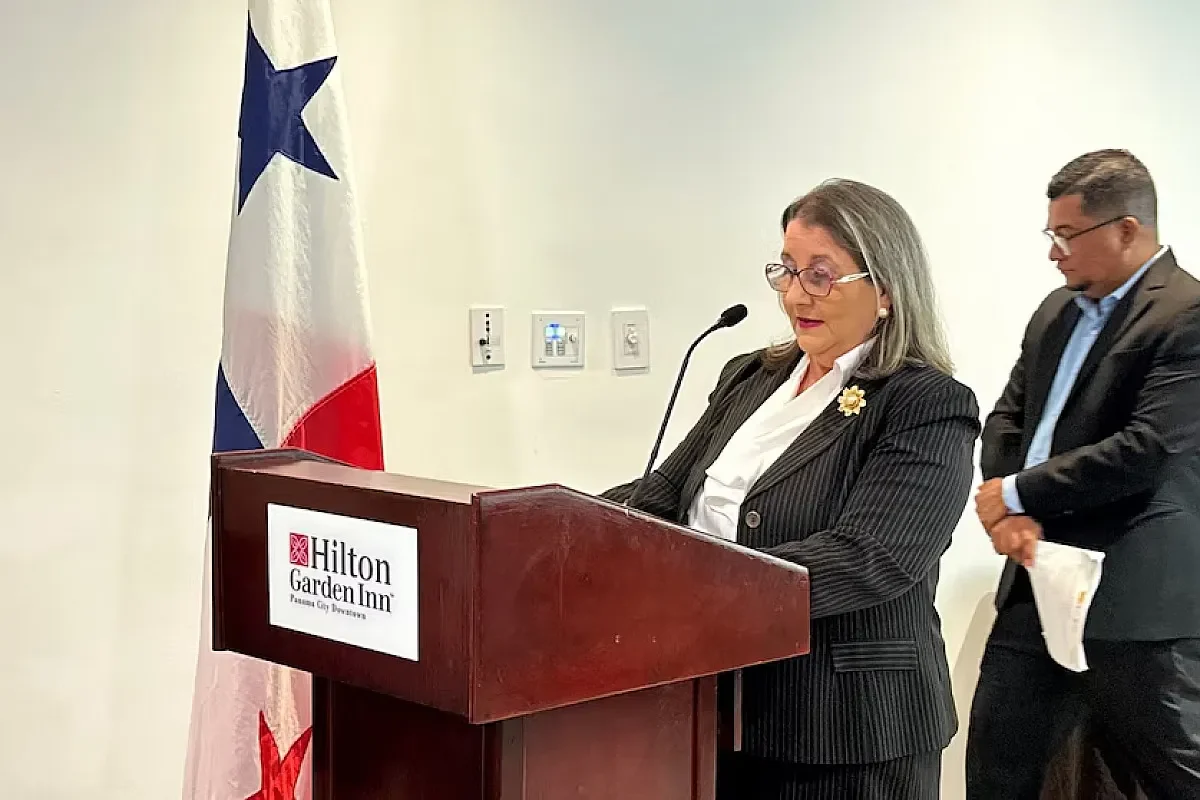
Panama’s Ombudsman Ángela Russo opened the event with a sharp rebuke of governments that shift the burden of searching for disappeared loved ones onto grieving families. The core message was direct: states signed international human rights conventions and must honor those commitments.
“The victims should not carry on their backs the responsibility of searching for their family members, but rather the responsibility of the States should be highlighted, as subscribers of international human rights conventions, precisely in ensuring that these cases do not prescribe and that the search continues for these people who have not appeared for many years” [Translated from Spanish]
Russo’s words set the tone for a meeting focused on accountability. Families from across the hemisphere shared similar stories of bureaucratic obstacles, closed cases, and decades without answers. International human rights frameworks obligate governments to conduct thorough investigations and maintain search efforts indefinitely, yet participants argued that these obligations often remain unfulfilled in practice.
Panama’s Transit Country Challenges
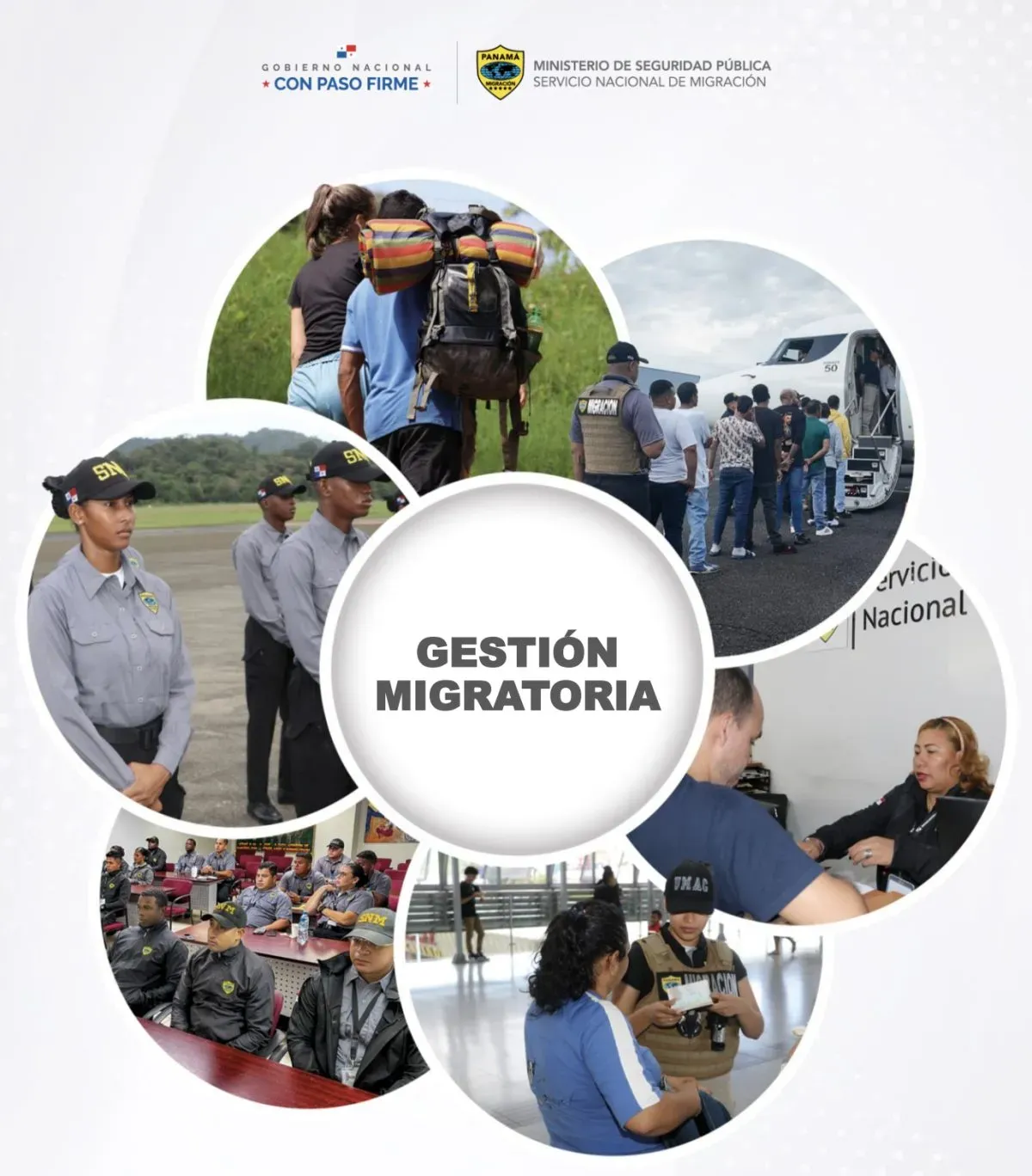
The Ombudsman’s Office emphasized that Panama holds specific duties because thousands of migrants cross its territory each year on their journey toward North America. The Darién Gap, a dense jungle separating Colombia from Panama, has become one of the world’s most dangerous migration routes. Hundreds have vanished in its thick vegetation, rivers, and remote trails.
In recent years, record numbers of people have attempted the crossing, including families with children and individuals from as far away as Venezuela, Haiti, Ecuador, and parts of Africa. Many survive the journey, but others simply disappear without a trace, their fate unknown to the relatives they left behind. This reality places Panama at the center of regional efforts to track disappearances.
Officials at the meeting stressed that no country can solve this alone. Cross-border cooperation, shared databases, and coordinated search protocols are essential tools that remain underdeveloped in the region. Without such mechanisms, cases easily slip through jurisdictional cracks, leaving families to navigate multiple legal systems with little guidance.
Family Activism and the Power of Persistence
Carmen Villa, representing the Committee against Forced Disappearances, described the search for disappeared migrants as a permanent challenge, particularly for families who spend decades without knowing what happened to their loved ones. Her organization insists that searching is not a family obligation but a state duty.
“It will always be a challenge. There are people who search for their relatives for decades without knowing what happened to them, and the obligation to search is not that of the families, it is an obligation of the States. States must search for disappeared persons” [Translated from Spanish]
The Honduran activist Martínez reinforced that message with personal conviction. She described how her family’s persistence and the advocacy of other relatives of disappeared persons eventually led to her sister’s discovery. After 21 years, an unexpected social media connection brought them back together.
“We exist, people who have had disappeared loved ones, who have had answers, we have found each other and that is what we have to do: find them. We, as a committee, say that our committee will disappear until we find the last disappeared person” [Translated from Spanish]
Martínez’s testimony underscored a central lesson from the gathering: hope is not naive. Families who organize, pressure authorities, and refuse silence sometimes achieve what official systems could not. The meeting urged governments to build search protocols based on the lived experiences of these families, who understand the failures of current mechanisms better than any bureaucrat.
Regional Cooperation and Future Outlook
Participants concluded that strengthening cross-border cooperation is essential to prevent cases from going cold. They demanded that investigations continue regardless of how much time has passed and that families receive ongoing support rather than silence. The gathering in Panama represented a renewed commitment to placing families at the center of the search process.
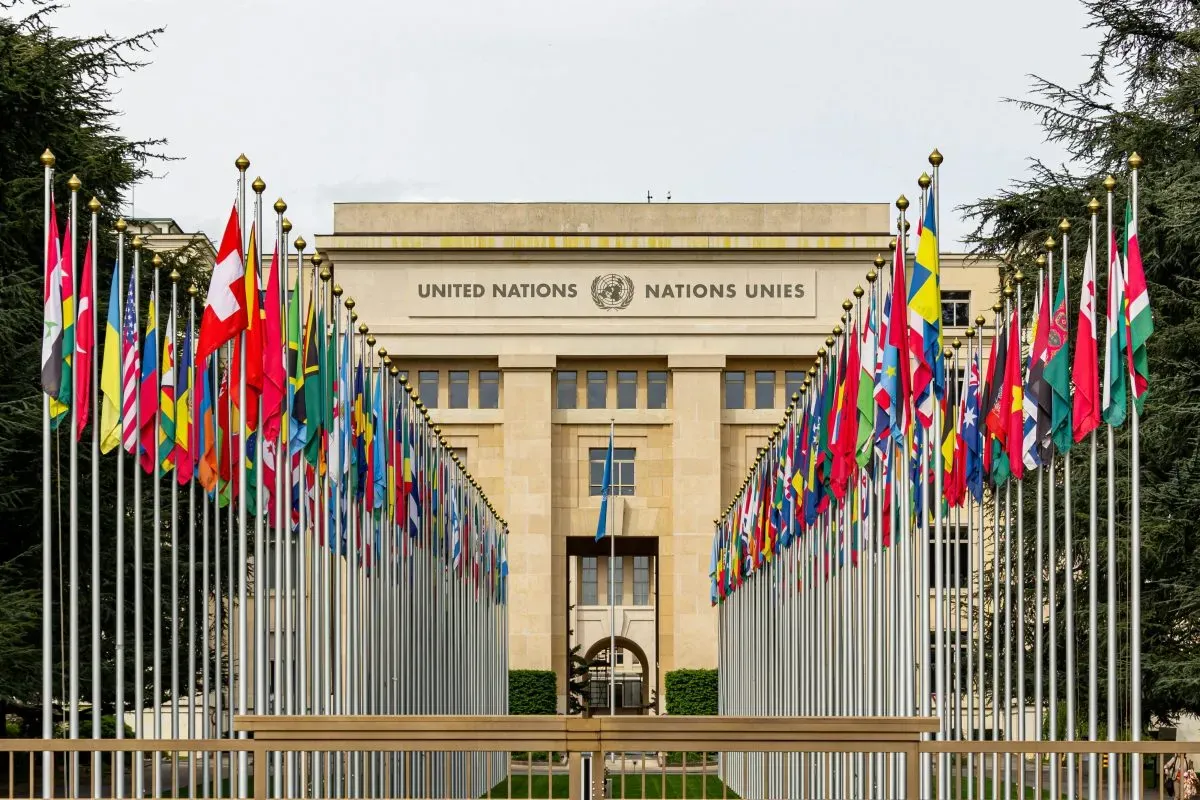
For those still waiting for answers, the message was firm: states must act, investigations must persist, and no missing migrant should be forgotten. The presence of United Nations representatives signaled that international bodies may play a growing role in holding governments accountable for these disappearances.