


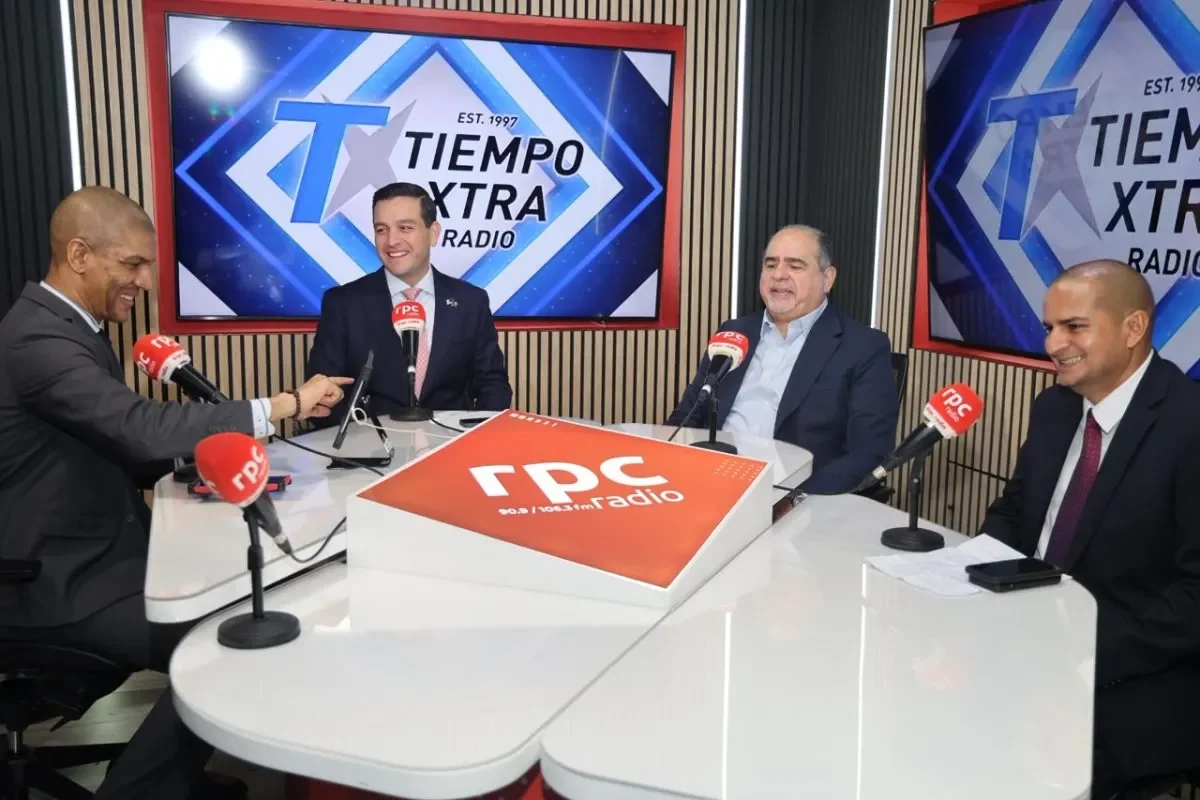
Commuters and news listeners across Panama now have a new reason to keep the radio on. The U.S. Embassy in Panama has partnered with Corporación Medcom and RPC Radio to launch an eight-part series called English on the Go, an Embassy Radio initiative that turns short broadcast segments into practical language lessons. The series began August 24 and runs through September 8, with daily three-to-five-minute features aired during regular newscasts.
Instead of a formal classroom setup, the program meets people where they already are, in their cars, kitchens, and workplaces. Each segment focuses on verbs, vocabulary, and everyday expressions, but the producers avoided abstract drills. They anchored the lessons in shared U.S.-Panama history and culture, making the content feel relevant to a Panamanian audience.
Embassy Radio Series Anchors Lessons in Shared History
The cultural references in English on the Go include the legacy of Dr. William Gorgas, the American physician whose public health campaigns helped control yellow fever and malaria during the construction of the Panama Canal. That story illustrates how the two countries have worked together for more than a century. The series also highlights Panamanian baseball players who reached Major League Baseball, a subject that resonates with sports fans across the country. Panama has produced dozens of MLB players, including Hall of Fame closer Mariano Rivera, giving the lessons a familiar point of pride.
By weaving those stories into language instruction, the series does double duty. It teaches English while reinforcing the idea that bilateral ties are not abstract. They exist in public health, sports, education, and daily life. The approach also helps listeners remember phrases and vocabulary because the words are attached to something meaningful rather than isolated in a grammar chart.
Freedom 250 Provides a Framework for Public Diplomacy
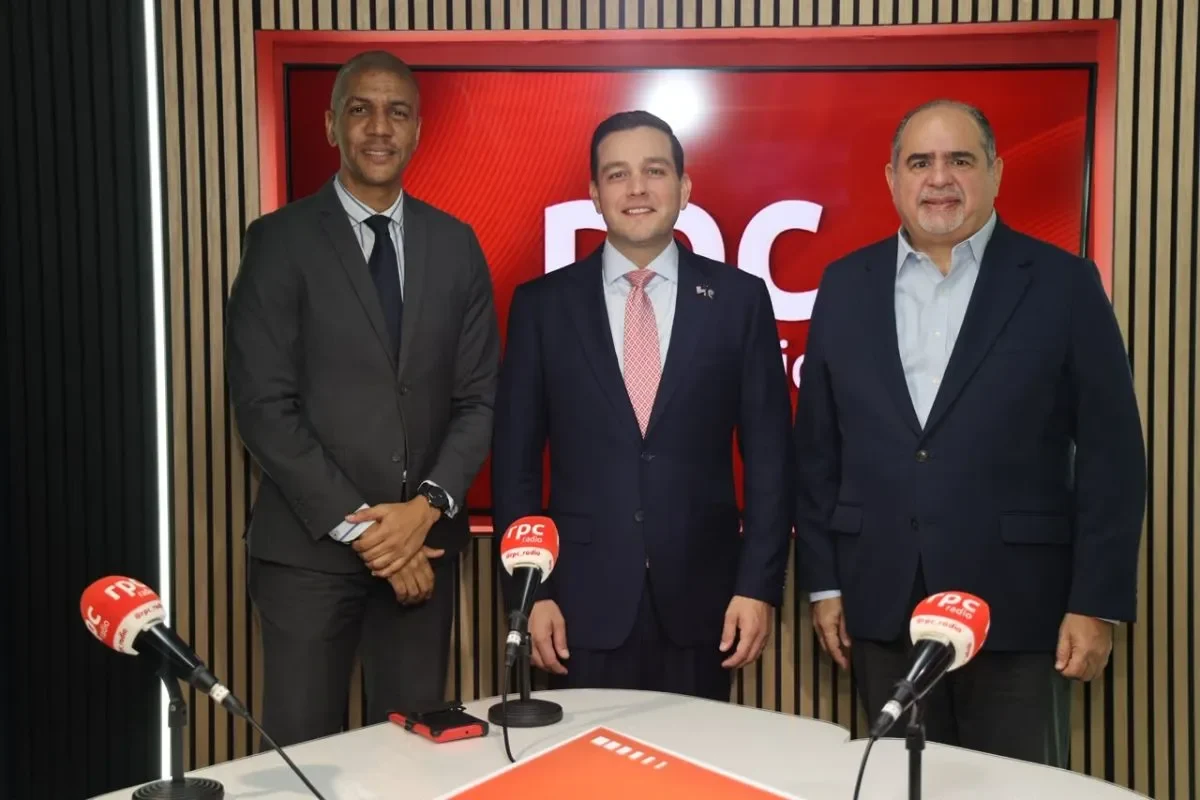
The radio project is part of the Embassy‘s Freedom 250 activities, marking 250 years of American independence. That milestone is being used not just for celebration but for outreach. The Regional English Language Office and the Public Diplomacy Office produced the series, with support from a U.S. English Language Specialist. The segments were recorded at the U.S. Embassy in Panama, giving the production a sense of official partnership while allowing it to be broadcast through a commercial radio platform.
This arrangement matters because it puts language education inside an existing media habit. A listener doesn’t need to sign up for a course or find a separate podcast. The lesson arrives during the news, repeated daily through the two-week window. That low barrier to access is a key feature of the public diplomacy strategy behind the series.
Ambassador Kevin Marino Cabrera Links English to Opportunity
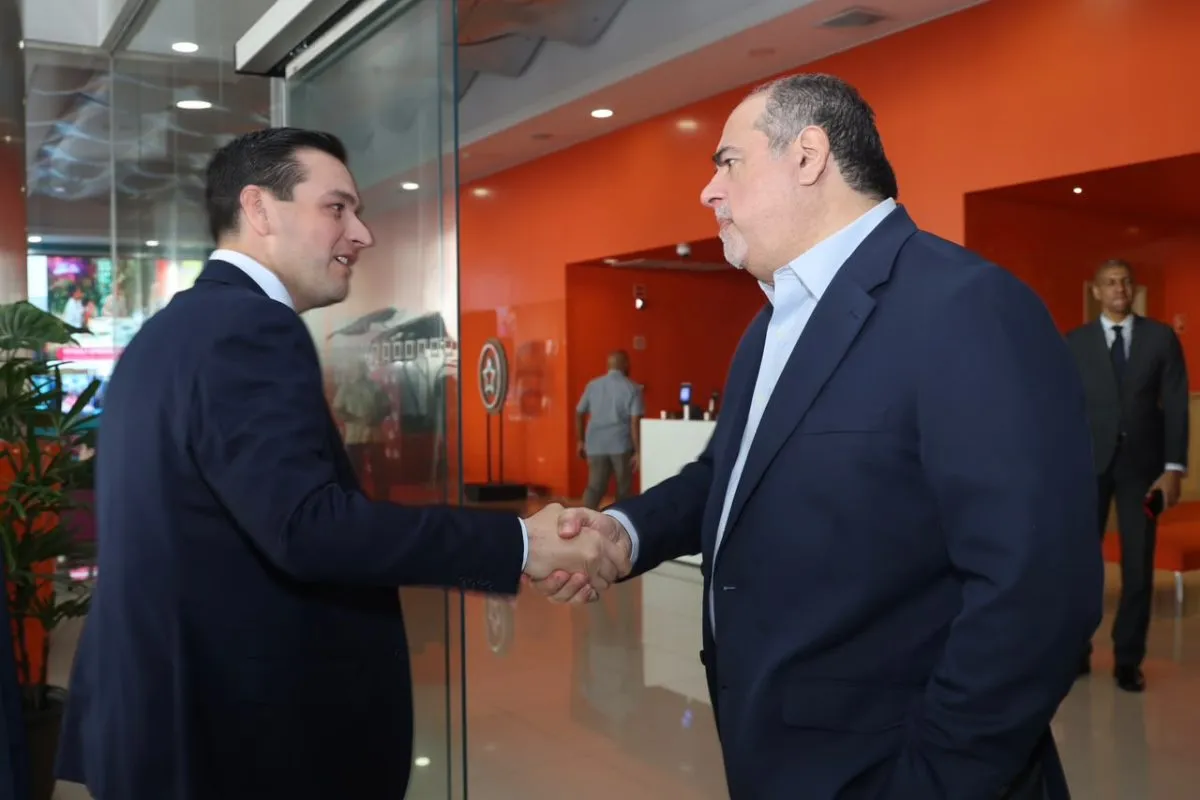
During the launch, U.S. Ambassador Kevin Marino Cabrera emphasized the practical benefits of learning English. He connected the radio lessons directly to jobs, education, and international exchange.
Through English on the Go, the U.S. Embassy is bringing English lessons to listeners across Panama, opening doors to greater opportunities in education, employment, and exchange.
The ambassador also thanked RPC Radio for supporting the project and broadcasting the segments. His second comment underscored the collaborative nature of the initiative.
I want to give special thanks to RPC Radio for supporting this project and broadcasting these segments towards our shared goal of improving English language learning in Panama.
That phrase, “shared goal,” positions the effort as a partnership rather than a one-way program. The U.S. Embassy provides expertise and resources, while the Panamanian broadcaster supplies reach and local credibility. For listeners, that combination can make the difference between a foreign-produced lesson and something that feels like it belongs in their own media landscape.
Radio Complements a Broader English Education Network
English on the Go is not the Embassy’s only language initiative. The U.S. supports the development and implementation of Panama’s national English curriculum, and it provides teacher training at universities in multiple parts of the country. Fulbright English Teaching Assistants work inside public school classrooms, giving students direct contact with native or fluent English speakers. Peace Corps volunteers also carry English language teaching resources into Panamanian communities, often in areas where formal instruction is limited.
The Access program extends that reach even further. It currently provides intensive English instruction to 126 young people in five provinces. Those students receive structured lessons over a longer period, which differs from the radio series but shares the same goal of widening access. The radio project adds a mass-media layer to those efforts, offering a lighter introduction for people who may later seek formal classes.
Under President Trump’s leadership, the United States continues to frame English education as a pillar of its relationship with Panama. The investment is practical. English proficiency opens doors to international scholarships, remote work, tourism jobs, and cross-border business. But the radio series also carries a softer message, one about shared culture and daily cooperation between neighboring countries.
Ultimately, the next two weeks will reveal how well a three-minute radio segment can compete with music, traffic updates, and breaking news. But the design suggests a realistic approach to language learning. Short, consistent exposure can build familiarity, and familiar stories make the words stick. For Panamanians curious about English, the Embassy Radio series turns an ordinary newscast into a small classroom on the air, one lesson at a time.