


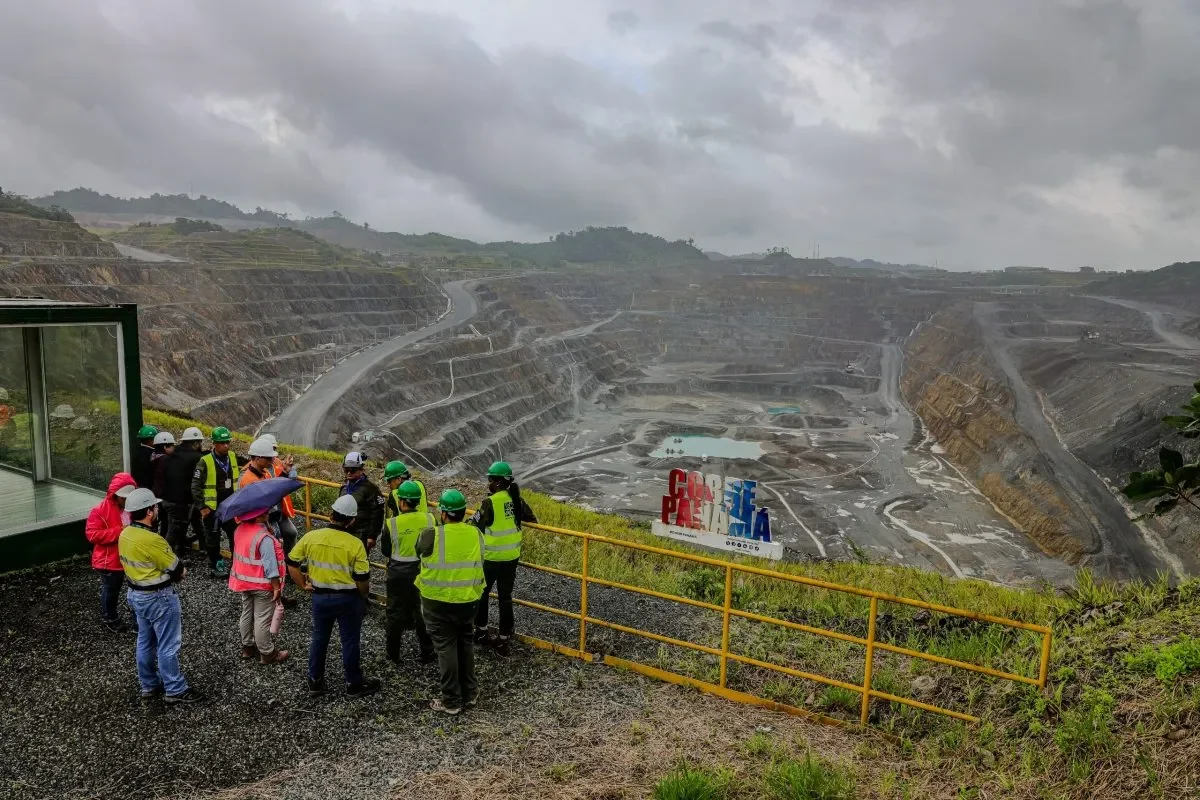
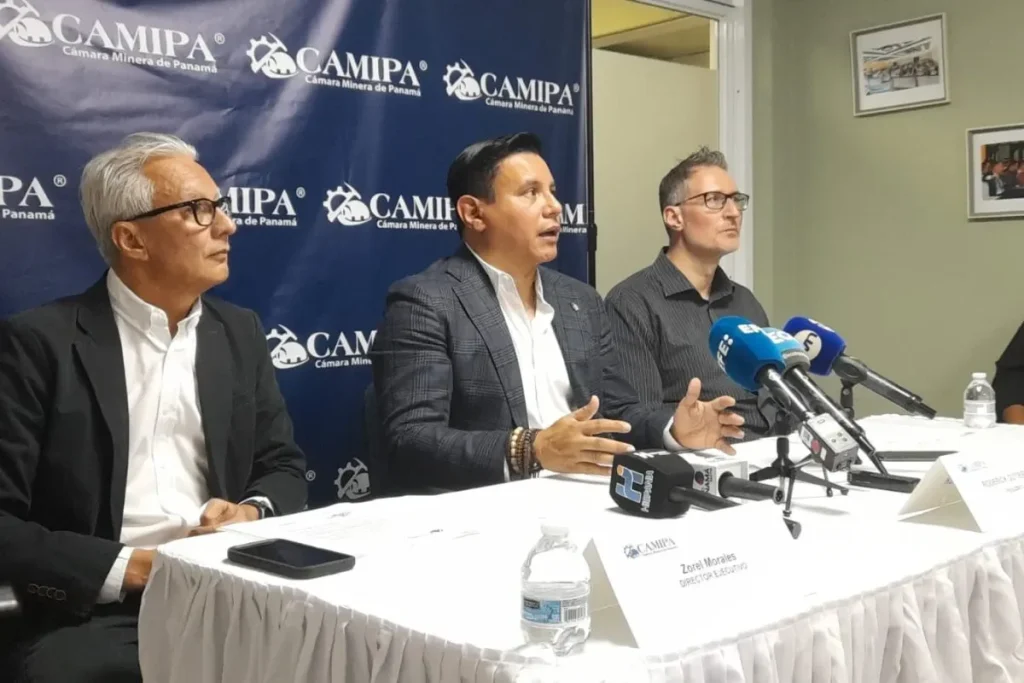
The Mining Chamber of Panama (Camipa) has formally urged the government to end months of uncertainty and move toward mining operations reopening at the shuttered Cobre Panama facility in Donoso. In a statement issued Monday, the industry group warned that continued delays carry mounting costs for workers, local communities, suppliers, investors, and environmental management of the existing site.
The request lands as a government commission, composed of the ministers of Economy and Finance, Commerce and Industries, and Environment, prepares to deliver a recommendation to President José Raúl Mulino on whether the massive copper mine should resume production.
Conditions for Mining Operations Reopening
Camipa’s proposal centers on what it calls an orderly restart, one that operates within Panama’s constitutional and legal framework. The chamber insists any path forward must incorporate findings from the comprehensive environmental audit ordered by the Ministry of Environment, establish enforceable obligations for the operator, and guarantee the state has sufficient resources and independence to monitor compliance.
‘Camipa recommends moving toward the orderly resumption of Cobre Panama operations, through a solution fully compatible with the constitutional and legal framework in force’ [Translated from Spanish]
The group also called for a verifiable plan to restore jobs and opportunities for Panamanian suppliers. The mine employed thousands of workers directly and indirectly before its suspension, and its closure devastated local economies in the Donoso region and beyond.
Audit as Public Action Plan
The chamber argued that the environmental audit should function as a public action plan, complete with corrective measures, deadlines, indicators, and verification mechanisms. Camipa said that oversight must remain publicly accessible so citizens can track progress and hold parties accountable.
The organization offered to participate as a technical resource and mediator in open dialogue with the government, communities, workers, and other sectors. This stance positions the mining industry as a collaborative partner rather than a passive observer in the decision-making process.

Environmental Opposition and Legal Hurdles
Environmental organizations remain firmly opposed to reopening. They point to the Supreme Court ruling that declared the original contract between the state and Minera Panamá unconstitutional, along with documented environmental damage linked to the operation. These groups argue that restarting the mine would ignore judicial findings and ecological risks.
The final decision rests with the executive branch. The ministerial commission’s recommendation will determine whether Cobre Panama, once one of the largest copper producers in the Americas, returns to operation or remains indefinitely dormant. For now, communities, workers, and investors wait for a resolution that balances economic recovery with legal and environmental accountability.