


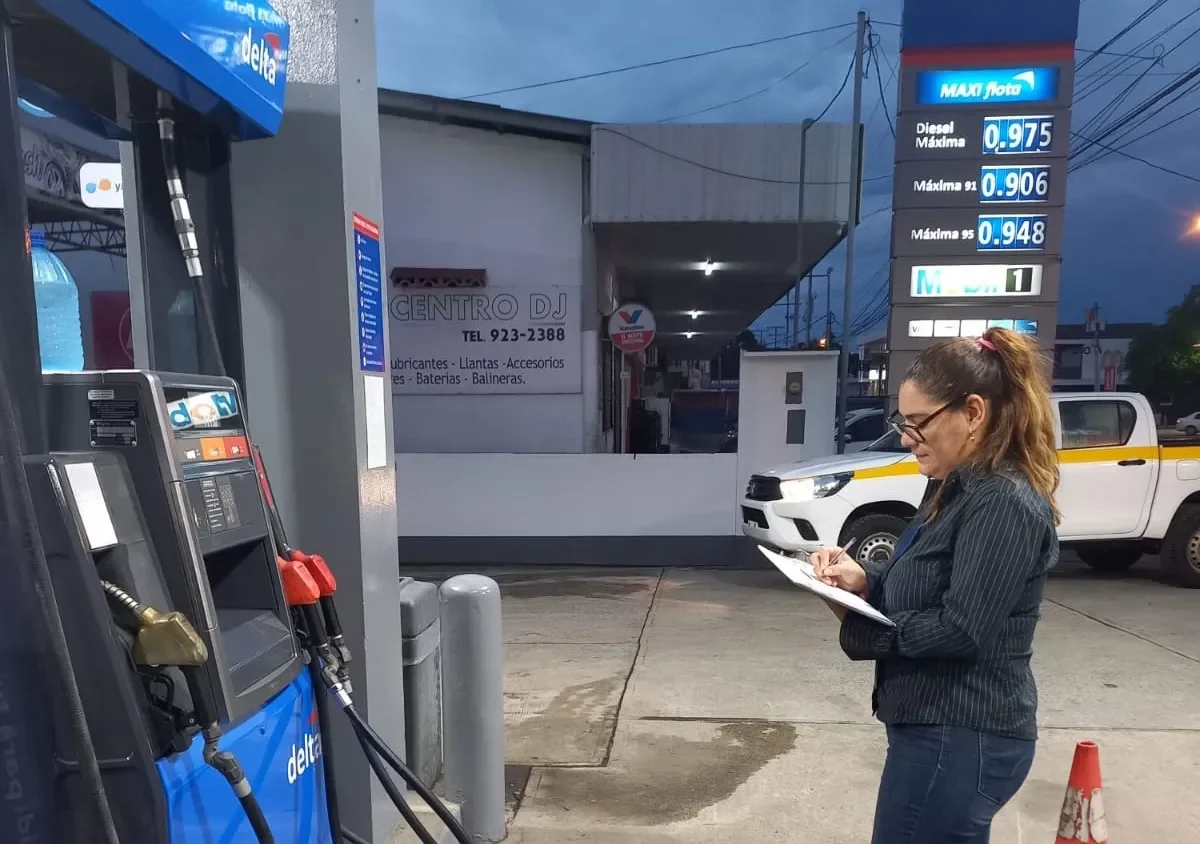
Consumer protection officials inspected a fuel station in Panama East on Friday after a social media complaint alleged the business refused to dispense gasoline during early morning hours. The Acodeco consumer protection agency confirmed the operation aimed to verify service conditions and determine whether the station violated current regulations.
The inspection coincided with the implementation of new maximum fuel prices across the country, adding urgency to oversight efforts during an ongoing fuel supply crisis. Authorities did not immediately name the station or specify potential penalties.
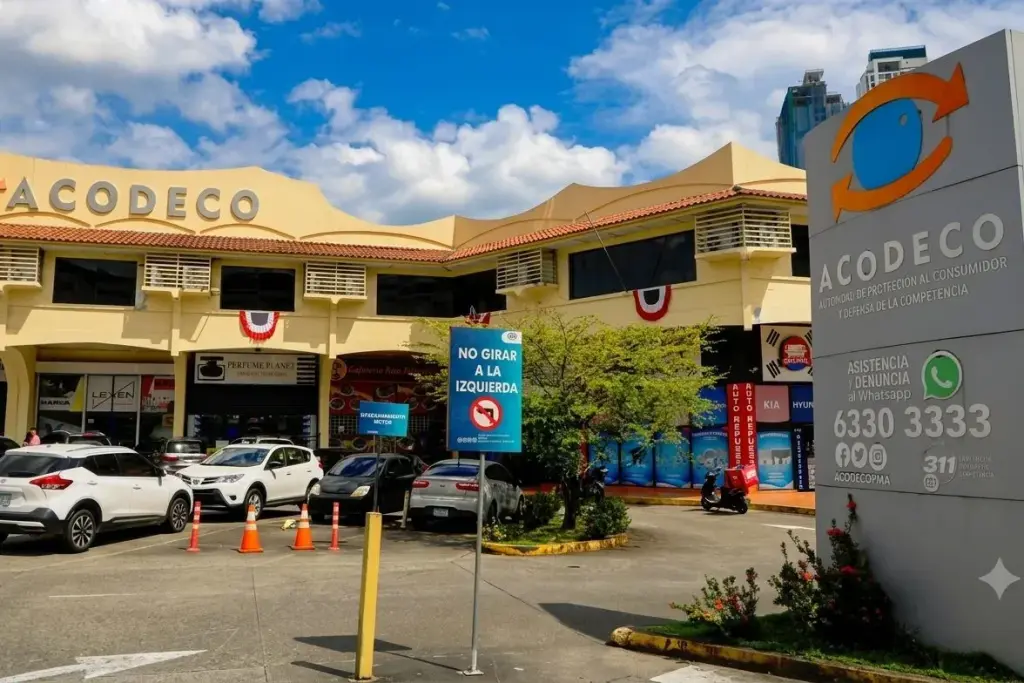
Acodeco Consumer Protection Oversight During Fuel Crisis
This is not the first time Acodeco has deployed inspectors to fuel stations. The agency routinely verifies not just fuel quality but also whether service promises match reality. Inspectors check pump calibration, pricing transparency, and customer treatment, especially when complaints surface online.
During the current fuel shortage, these inspections carry extra weight. Long lines and limited supply have heightened consumer vulnerability. Stations that restrict service hours without clear signage or refuse customers without justification risk sanctions under Panamanian consumer law.
Quality service matters beyond legal compliance. Drivers depend on predictable access to fuel for work commutes, medical trips, and business operations. When stations fail to honor posted hours or turn away customers arbitrarily, the economic ripple effects spread quickly through communities already strained by supply disruptions.
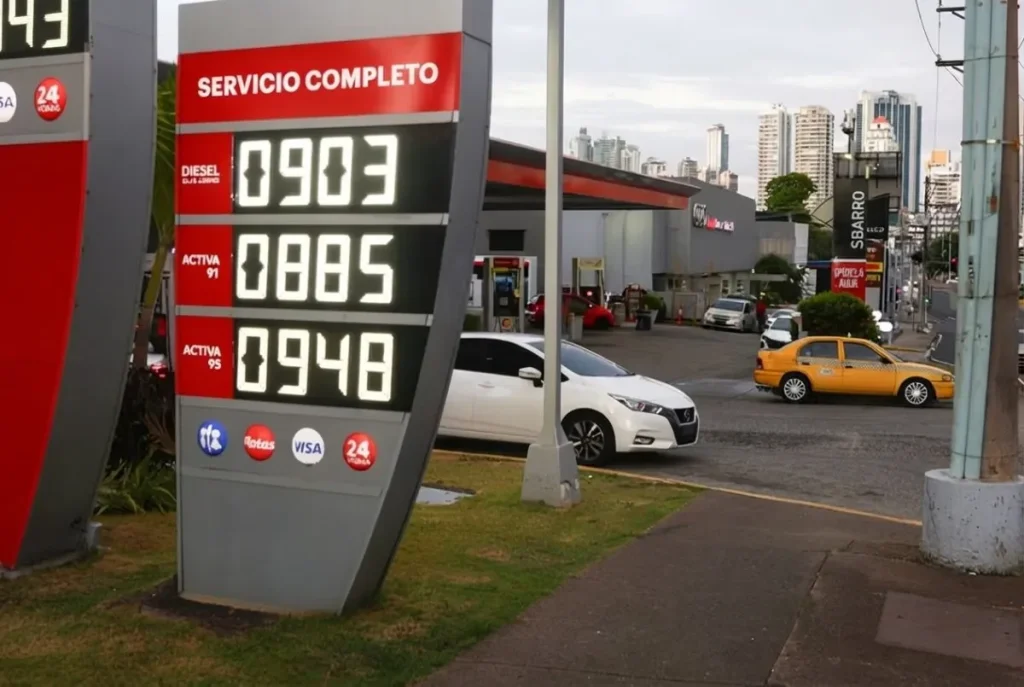
New Fuel Prices and Regulatory Enforcement
Friday marked the first day of revised maximum fuel prices in Panama. The price adjustment comes as global energy markets remain volatile, squeezing household budgets and increasing scrutiny of retail fuel practices.
Acodeco inspectors focused on whether the station’s pricing matched the new official caps. They also reviewed whether any refusal to serve customers during early hours violated consumer rights provisions. The agency has authority to issue fines and require corrective action when violations are confirmed.
Fuel retailers face a dual obligation during the crisis. They must manage limited inventory responsibly while maintaining transparent, non-discriminatory service. Consumer advocates argue that cutting service hours without notice creates confusion and erodes public trust in the fuel distribution system.
Community Response and Next Steps
The viral complaint that triggered Friday’s inspection reflects broader frustration among Panamanian drivers. Social media has become a key channel for reporting suspected consumer abuses, allowing Acodeco to respond quickly to emerging problems.
Officials said inspection results would be reviewed before any enforcement action. If the station is found to have violated service obligations, penalties could include fines or temporary closure orders. The agency also encouraged consumers to file formal complaints through official channels rather than relying solely on social media posts.
Fuel quality and honest service remain central to Acodeco’s mandate. As the fuel crisis continues, the agency has pledged to maintain heightened monitoring of stations nationwide, particularly those with documented complaint histories or suspicious pricing patterns.