


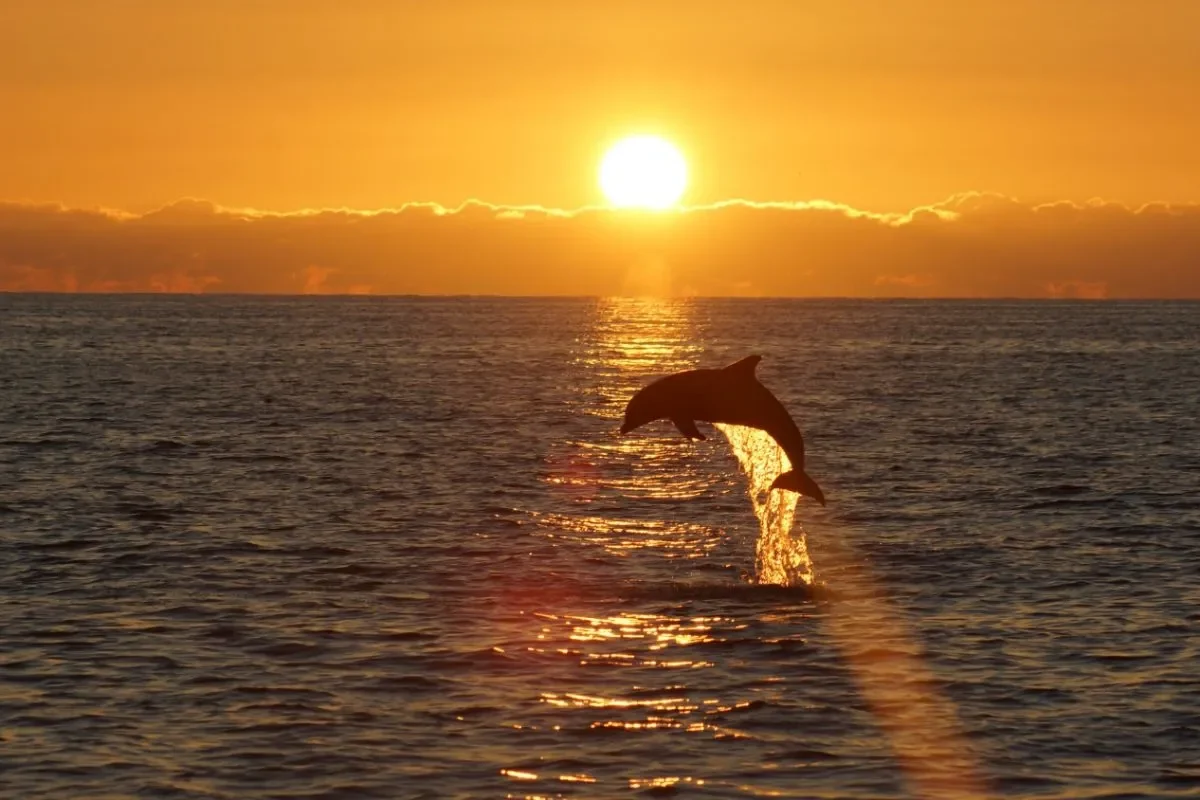
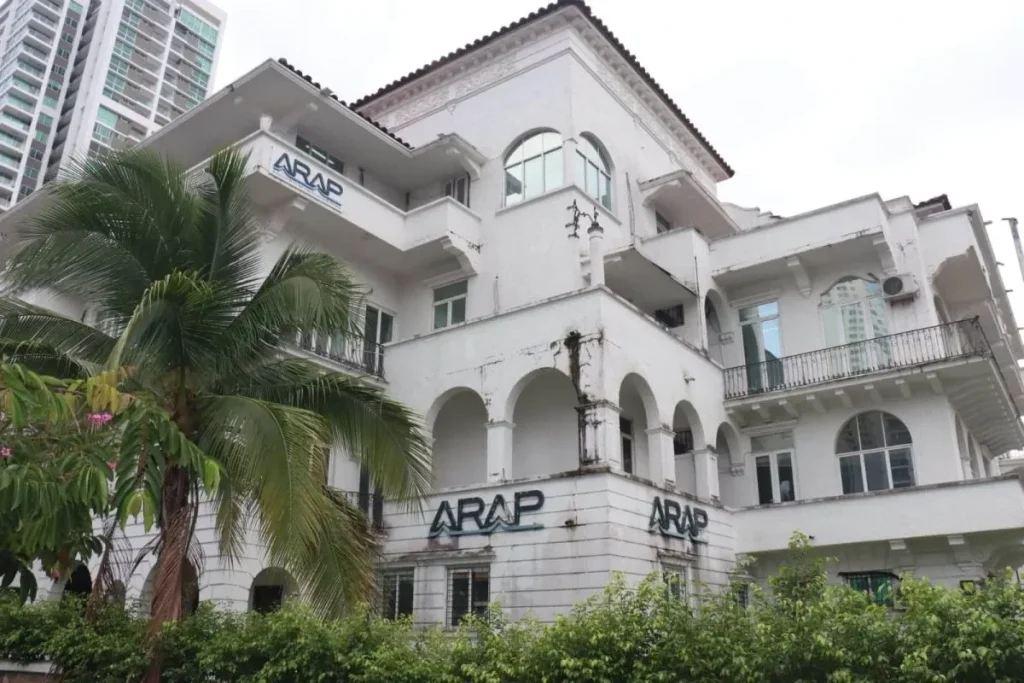
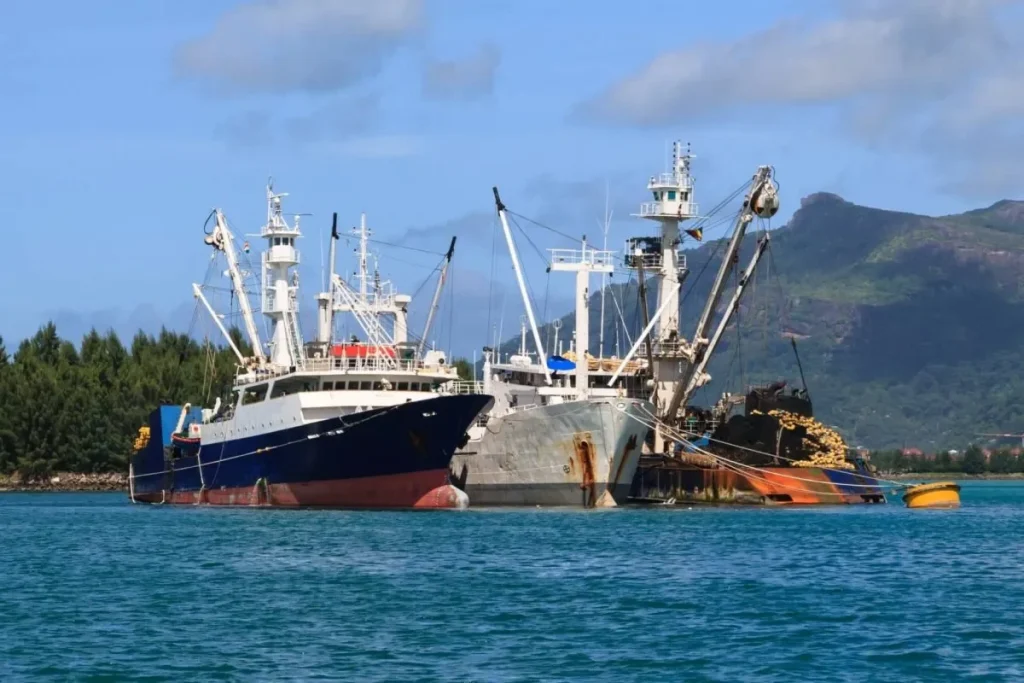
Panama’s Aquatic Resources Authority has cleared seven national-flag tuna purse seiners to support dolphin conservation research in the Eastern Pacific Ocean. The authorization, formalized through Resolution ADM ARAP No. 083 on September 23, 2026, allows the vessels to provide logistical support to scientists contracted by the Inter-American Tropical Tuna Commission.
The decision, announced Monday, October 1, enables the fishing boats to assist researchers evaluating dolphin population abundance in international waters outside Panama’s Exclusive Economic Zone. The work falls under the framework of the Agreement on the International Dolphin Conservation Program.
Dolphin Conservation Research Methods and Sampling Protocol
The scientific initiative, titled “Close-Kin Mark-Recapture,” involves collecting small skin samples through cutaneous swabs from two dolphin species. A pad is placed briefly on the animal’s surface to gather biological material without invasive procedures.
ARAP conditioned the permit on strict traceability mechanisms. Vessels must record the tide, date, geographic coordinates of each collection, specimen identification, and the name of the responsible scientist aboard. These inspection requirements ensure accountability throughout the field phase.

International Transfer and CITES Compliance
Once fieldwork concludes, CIAT personnel will disembark the biological material at the port of Manta, Ecuador. The samples will then be dispatched to an analysis laboratory in Florida, United States. Because marine mammal samples cross international borders, transfers require permits validated under the Convention on International Trade in Endangered Species of Wild Fauna and Flora.
Panama joined the International Dolphin Conservation Program in 1999 and ratified the Antigua Convention through Law 11 of January 23, 2007. This legal framework governs CIAT operations in the region and underpins the current authorization.
Regulatory Framework and Regional Cooperation
The seven vessels operate under national flag and international service registration. Their role focuses exclusively on logistical support for the scientific team, not commercial fishing activities tied to the research.
¿Sabías que con un simple roce o frotis cutáneo la ciencia puede contar la población de delfines en el Pacífico Oriental? 🐬📊
— HUBnews Panamá (@HUB_PANAMA) October 1, 2026
La @ARAP_Panama aclaró el rol de 7 buques panameños en un proyecto científico de la CIAT y el APICD.
🔗 https://t.co/nKy4953gR7 pic.twitter.com/FkUOUzMRaB
The project represents a coordinated effort between Panamanian maritime authorities, Ecuadorian port facilities, and U.S. laboratory infrastructure. The sampling approach prioritizes animal welfare while gathering data critical for assessing dolphin population health across the Eastern Pacific.
ARAP’s resolution establishes that the permit’s validity depends entirely on compliance with the documentation and inspection protocols. Any deviation from the mandated recording procedures could invalidate the authorization, according to the official communication.