


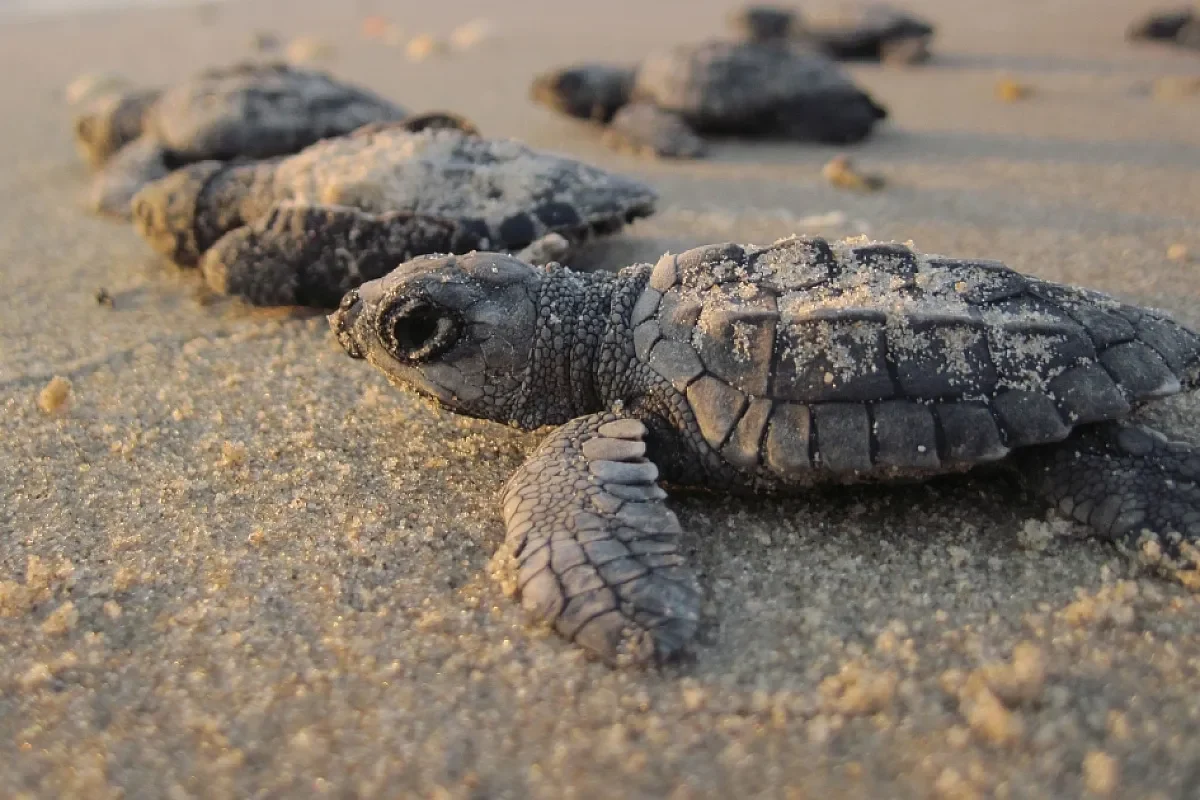
A new generation of critically endangered hawksbill sea turtles entered the Caribbean waters this week, marking a significant moment for Panama turtle conservation efforts. The hatchlings emerged from a protected nest at Cayo Zapatilla within the Isla Bastimentos National Marine Park, according to park officials.
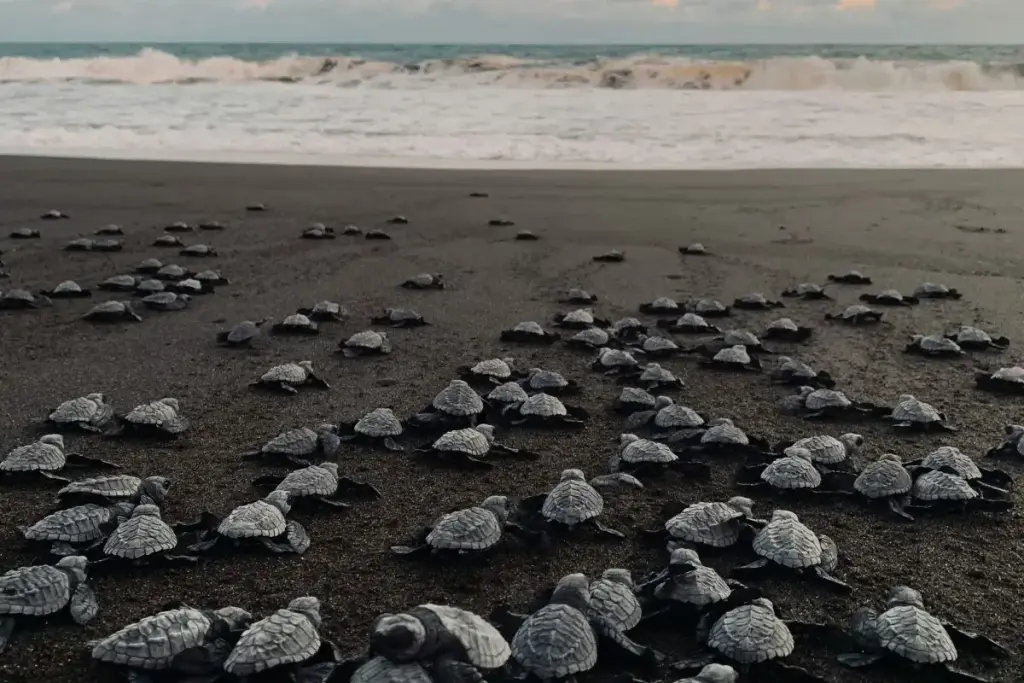
The emergence occurred during the early morning hours, when dozens of tiny turtles broke through the sand and instinctively made their way toward the ocean. This natural event represents a key vulnerable phases in the species’ lifecycle, as hatchlings face predators, artificial lighting, and human interference during their brief journey to the sea.
Panama Turtle Conservation Milestone for Endangered Species
The hawksbill turtle remains classified as critically endangered by international conservation bodies, with global populations declining by an estimated 80 percent over the past century. Coastal development, illegal egg harvesting, and the trade of their distinctive shells have driven the species toward extinction.
Isla Bastimentos National Marine Park serves as one of Panama’s primary nesting grounds for this species. The protected status of Cayo Zapatilla provides a critical sanctuary where female hawksbills return annually to lay eggs. Park rangers and conservation teams monitor nesting sites throughout the breeding season, which typically runs from April through November.
Threats Facing Hawksbill Turtle Hatchlings
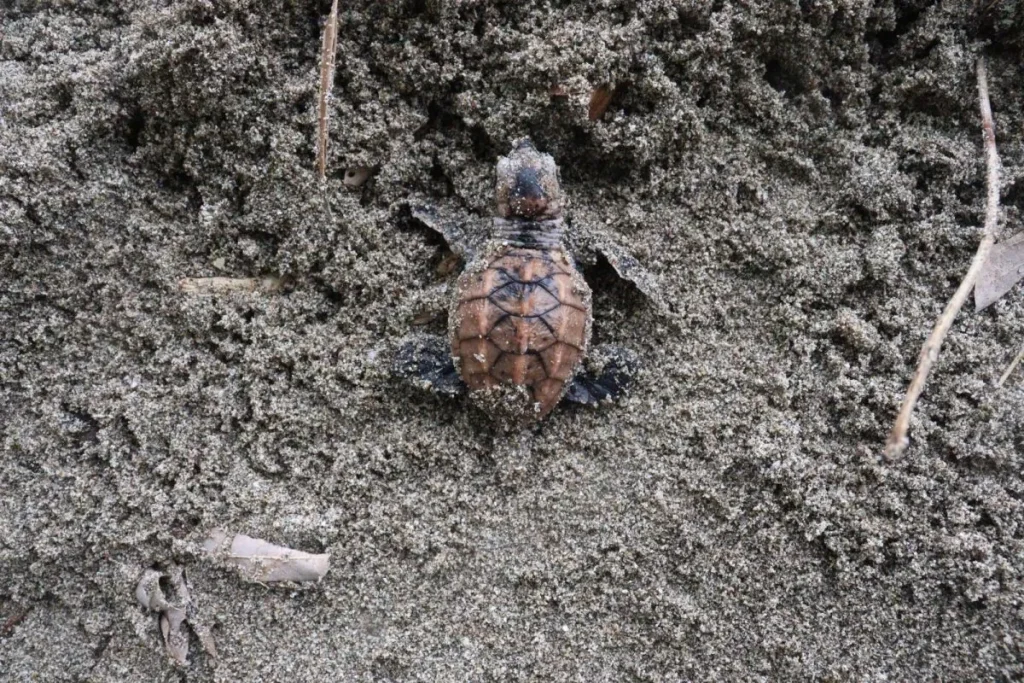
Beyond natural predators, hawksbill hatchlings confront significant human-caused threats. Beachfront lighting disorients newborns, drawing them away from the ocean and toward roads or developed areas. Plastic pollution in Caribbean waters also poses lethal risks, as young turtles ingest debris mistaken for jellyfish, their primary food source.
Climate change adds another layer of pressure. Rising sand temperatures influence the sex ratio of developing embryos, with warmer nests producing predominantly female hatchlings. This imbalance threatens future breeding populations. Ocean acidification and coral reef degradation further reduce available habitat and food sources for juvenile hawksbills.
Community Involvement and Future Protection
Local conservation groups have expanded monitoring programs along Panama’s Caribbean coast, training community members to identify and protect nesting sites. Educational initiatives targeting coastal communities emphasize the ecological role hawksbills play in maintaining healthy coral reef systems.
Each successful hatch represents a measurable gain for the species’ long-term survival. Conservation biologists estimate that only one in every thousand hatchlings reaches adulthood, making protected nesting beaches like Cayo Zapatilla essential to population recovery. Continued enforcement of marine park boundaries and sustained funding for monitoring programs remain critical to ensuring future nesting seasons produce similar results.