


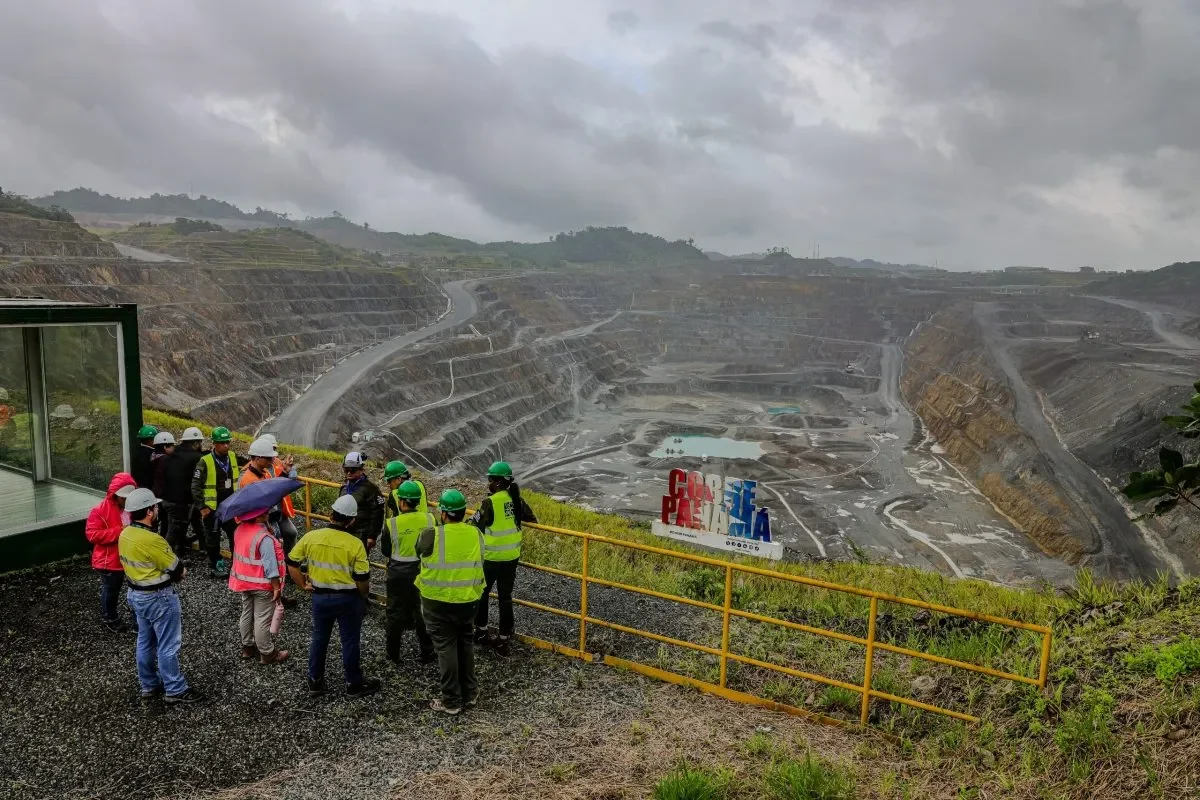
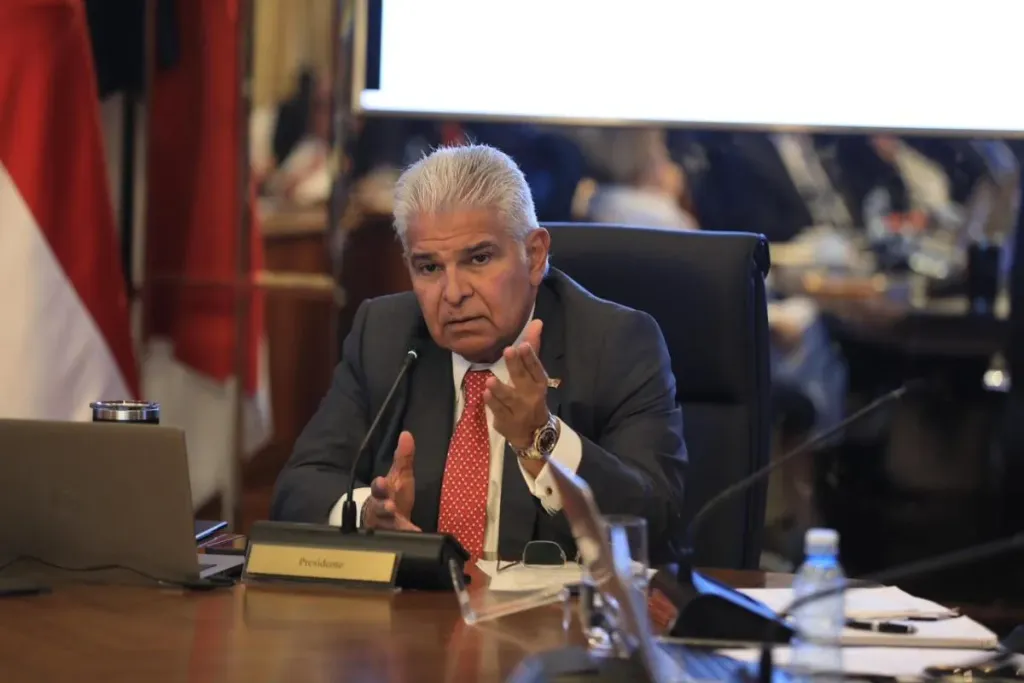
A high-level Panamanian commission has formally recommended that President José Raúl Mulino authorize an orderly mine shutdown of the Cobre Panama copper mine, with the project itself footing the bill. The recommendation, delivered Wednesday by Commerce and Industries Minister Julio Moltó, rules out any use of state funds and bars any contract extensions.
The interministerial commission spent three months evaluating the fate of the shuttered operation. Its core message to the president was direct and singular. Moltó said the group asked Mulino to authorize conditions for a closure process that prioritizes environmental, social, and economic interests while fully respecting the Supreme Court’s November 2023 ruling that killed the original concession.

Orderly Mine Shutdown Framework and Guiding Criteria
Moltó emphasized that the closure will not happen quickly. He told the president that an operation of this magnitude cannot be shut down in one year or even five. The commission laid out six binding criteria for any future decisions on the site, starting with absolute compliance with the court ruling that declared Law 406 of 2023 unconstitutional.
State sovereignty over mineral resources and subsoil forms another pillar. Moltó insisted that none of the recommendations transfer ownership of those resources. The process must also carry no fiscal cost for Panamanians. Moltó stated plainly that the site pays for its own closure, and no line item in the national budget should fund the work.
Transparency, independent oversight, and prioritization of affected communities round out the framework. The minister called for verifiable transparency and international-quality supervision. He argued that whoever operates the site should not be the one verifying the work, and whoever closes it should not be the one declaring the closure successful.
Economic Fallout and Regional Disparities
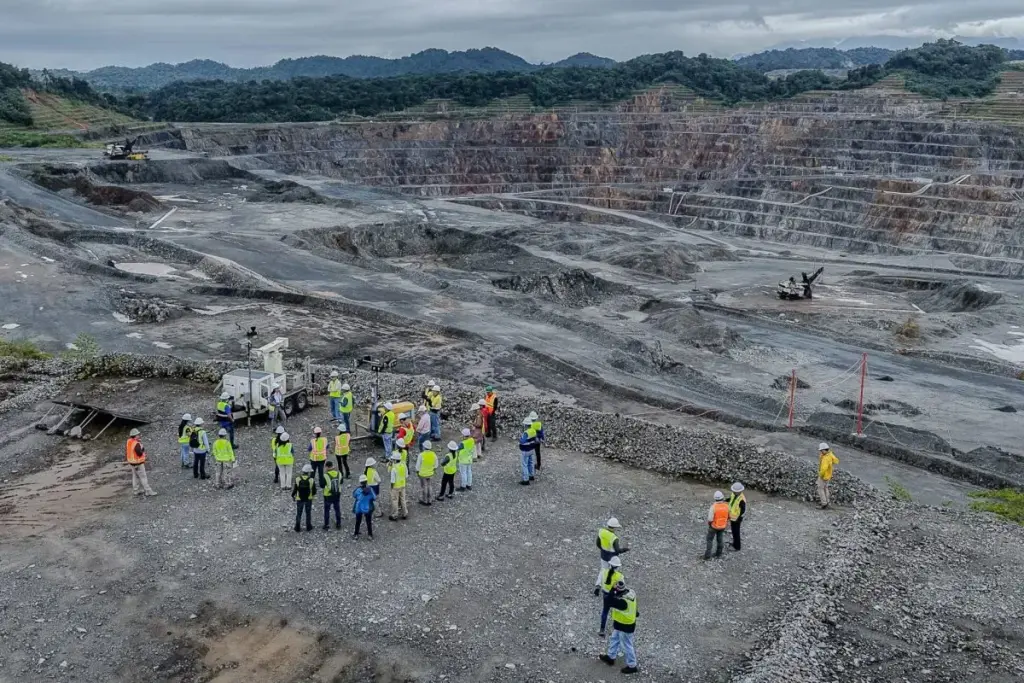
The report quantified the human and economic toll of the mine’s suspension, dealing a heavy blow to the national supply chain. The operation supported roughly 2,000 registered suppliers before shutting down. Three out of every four of those suppliers were Panamanian micro, small, and medium enterprises, totaling about 1,500 companies.
Job losses were severe and rippled across multiple sectors. More than 6,000 direct jobs disappeared, along with roughly 30,000 indirect positions. The commission estimates that around 144,000 people suffered income losses tied directly or indirectly to the mining activity.
Geographic imbalance emerged as a key finding, laying bare a systemic flaw in regional development. More than one-third of the workforce came from Coclé province, yet only eight of every 100 dollars in purchases stayed in that region. Moltó said this stark disproportion cannot be repeated, noting that the community that supplied the workers and absorbed the heavy environmental impact never captured the true value chain.
Environmental Oversight and Next Steps
Environmental monitoring continues at the site despite the closure recommendation. Officials reported that 164 active instruments remain in place to supervise the facilities and tailings management. The commission’s findings will be published on the websites of the Commerce Ministry, the Economy and Finance Ministry, and the Environment Ministry.
The recommendation now sits with President Mulino for a final decision. The commission’s framework seeks to close a contentious chapter in Panama’s mining history while ensuring that the financial burden does not fall on taxpayers. The path forward hinges on executing a technically complex shutdown under independent scrutiny, with affected workers and communities watching closely.