


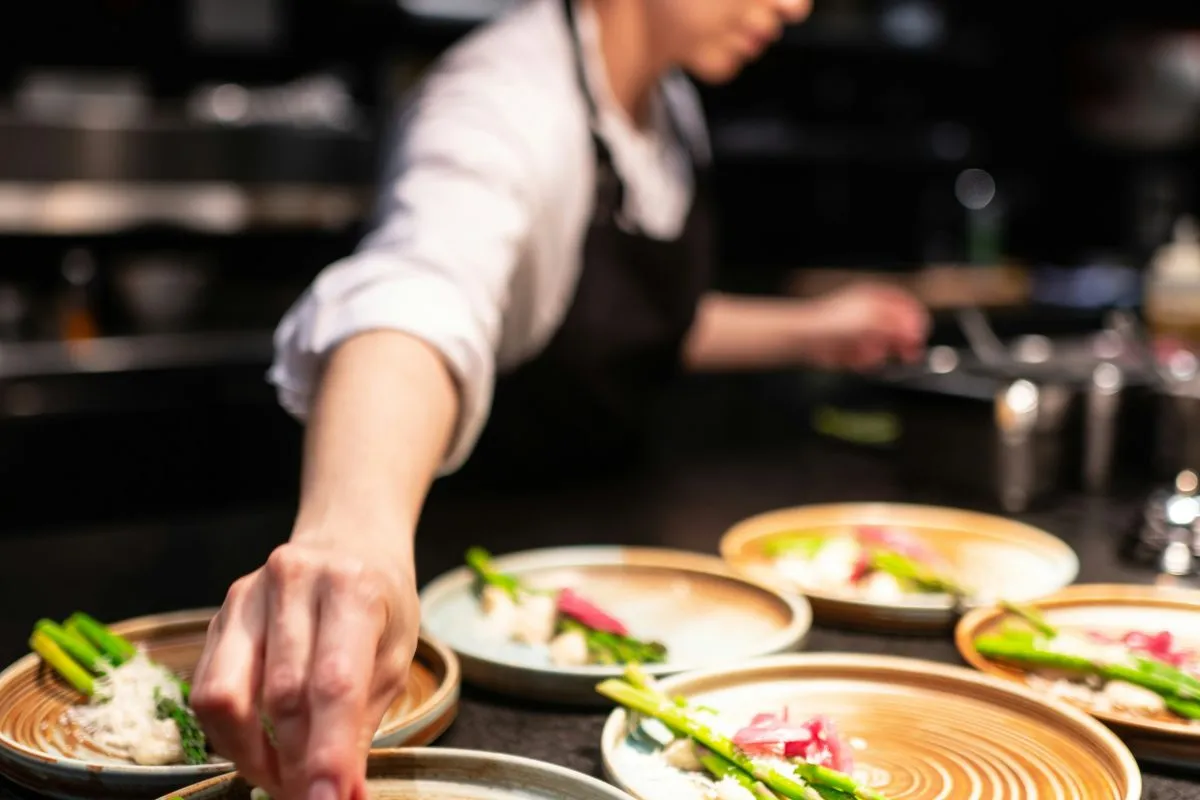
There’s a quiet revolution unfolding in Panama City, and it has nothing to do with cargo ships or banking regulations. The Panama dining evolution has accelerated dramatically over the past half-decade, transforming a capital once known primarily for its canal into a legitimate culinary destination that now commands attention from international food critics and travelers alike. Walk through the cobblestone streets of Casco Viejo on any given evening and you’ll find wood-fired kitchens, chef’s counters packed with curious diners, and menus that celebrate Panamanian ingredients with a confidence that simply didn’t exist a generation ago.
📑 Table of Contents
- Tourism Growth Fuels Panama Dining Evolution
- Kaandela Brings Fire-Driven Cooking to Historic Casco Viejo
- Caleta Elevates Waterfront Fine Dining in a Restored Landmark
- Chef-Driven Concepts Redefine Panama Dining Evolution
- Baron Blu Marks Fifth Soft Opening in a Transformative Year
- Panamanian Ingredients Take Center Stage
The numbers tell part of the story. Six Panamanian restaurants landed in the extended Latin America’s 50 Best Restaurants ranking for 2025, with Maito leading the charge at No. 18. But rankings only capture a fraction of what’s happening on the ground. The real story lives in the intimate dining rooms, the restored historic properties, and the kitchens where chefs are reimagining what Panamanian food can be.
Tourism Growth Fuels Panama Dining Evolution
Panama welcomed 3,004,266 international visitors in 2025, representing an 8.2 percent increase over the previous year. Tourism receipts reached approximately $6.58 billion, excluding international transportation costs. Tocumen International Airport alone processed more than 2.24 million of those arrivals. This influx of travelers has created something that ambitious restaurants need to thrive: a broader audience with diverse palates and a willingness to spend on memorable dining experiences.
At FITUR 2025, the international tourism fair held in Madrid, Panama showcased gastronomy as a central pillar of its national identity. Chefs Mario Castrellón of Maito and Isaac Villaverde of La Tapa del Coco participated in the country’s presentation, signaling that food has become more than an afterthought in Panama’s tourism strategy. The country’s substantial expatriate population, domestic travelers, and international business community also contribute to a dining scene that can now support everything from casual ceviche counters to multi-course tasting menus.
Kaandela Brings Fire-Driven Cooking to Historic Casco Viejo
Inside the intimate Amarla boutique hotel in Casco Viejo sits Kaandela, a 32-seat restaurant that exemplifies the new direction of Panama City dining. Chef Edy Acedo built the concept around a wood-fired kitchen, with fire serving as both a cooking method and a philosophical anchor for the entire experience. The restaurant’s name itself references the flames that transform raw ingredients into something transcendent.
Stone walls dating back centuries surround diners, while wood, tile, and glass elements create a setting that bridges Panama’s colonial past with its contemporary ambitions. A chef’s-table-style counter allows guests to watch the kitchen work, turning dinner into something closer to theater. This represents a fundamental shift in how Panama City approaches hospitality. The restaurant itself has become part of the experience, not merely a place to eat before moving on to other activities.
Caleta Elevates Waterfront Fine Dining in a Restored Landmark
The transformation of the historic Club Unión building into the Sofitel Legend Casco Viejo created one of Panama City’s most striking luxury destinations. Inside that restored property sits Caleta, a restaurant that entered the extended Latin America’s 50 Best Restaurants ranking at No. 91 in 2025. The recognition matters because it signals that Panama can now support internationally oriented fine dining while maintaining a genuine connection to its location and culinary heritage.
For years, international travelers might have decided to visit Panama and then asked where to have dinner. Caleta and restaurants like it are flipping that equation. The dining experience itself is becoming a reason to visit. The architecture matters, the service matters, and the food is expected to be just as memorable as the ocean views. This integration of luxury hospitality with serious culinary ambition represents a maturation of Panama’s restaurant scene that would have been difficult to imagine a decade ago.
Chef-Driven Concepts Redefine Panama Dining Evolution
A to Z Chef’s Table represents perhaps the clearest signal that Panama City’s dining scene has reached a new level of sophistication. The concept abandons conventional restaurant design built around volume and instead makes the chef and the progression of courses central to the evening. Small, highly specialized dining experiences like this can only survive in markets where enough diners are willing to surrender control and trust the kitchen completely.
La Tapa del Coco, ranked No. 61 in the extended Latin America’s 50 Best list, takes a different approach by celebrating Afro-Panamanian culinary traditions with contemporary technique. Fonda Lo Que Hay, which landed at No. 82, earned recognition for its casual yet thoughtful approach to Panamanian comfort food. UMI at No. 72 brings Japanese precision to Panama City, while Cantina del Tigre at No. 47 has become a destination for those seeking bold flavors in a lively atmosphere. Together, these restaurants demonstrate that the Panama dining evolution spans multiple cuisines, price points, and dining formats.
Baron Blu Marks Fifth Soft Opening in a Transformative Year
Adding to the momentum, Baron Blu recently celebrated its fifth soft opening, marking another milestone in what has become a transformative period for Panama City’s restaurant landscape. Soft openings have become increasingly common as ambitious restaurants refine their concepts before launching fully to the public. The practice allows kitchens to calibrate their menus, service teams to find their rhythm, and chefs to respond to early feedback before the stakes rise.
Baron Blu’s arrival adds another layer to a dining scene that now spans intimate chef’s counters, luxury hotel restaurants, casual neighborhood spots, and everything in between. The restaurant’s fifth soft opening suggests a deliberate approach to building something sustainable rather than rushing to capitalize on the city’s growing culinary reputation. This patience reflects a broader maturity in how Panama City restaurateurs are approaching their craft.
Panamanian Ingredients Take Center Stage
The most significant shift in Panama City’s restaurant evolution might be the growing confidence in Panamanian ingredients themselves. Chefs are giving previously overlooked local vegetables, fruits, roots, and flowers center stage on their menus. This represents more than a trend. It signals that Panamanian chefs believe their native pantry can stand alongside the world’s great culinary traditions.
International recognition has followed this confidence. The six restaurants in the extended Latin America’s 50 Best list for 2025 span a remarkable range of styles, from Maito’s sophisticated Panamanian cuisine to Cantina del Tigre’s vibrant interpretations of regional flavors. For a relatively small country, this is an impressive culinary footprint that suggests the Panama dining evolution is still gaining momentum.
The transformation extends beyond individual restaurants. Panama City now offers integrated experiences that combine food, architecture, history, and atmosphere in ways that were rare just a few years ago. A visitor can spend an evening in a restored colonial building, watch chefs work with fire and native ingredients, and taste dishes that tell a distinctly Panamanian story. That combination of place, craft, and identity is what separates a true dining destination from a city with good restaurants.
Ultimately, the Panama dining evolution reflects a broader cultural shift. Panama has long been a crossroads, absorbing influences from around the world while maintaining its own identity. The country’s best restaurants are now doing the same thing on the plate, drawing on international techniques and global ingredients while rooting themselves firmly in Panamanian soil. The result is a dining scene that feels both worldly and distinctly local, ambitious yet grounded in tradition. For travelers and residents alike, that’s a combination worth savoring.