


A new Darien jungle exhibition opened Saturday at the Panama Canal Museum, presenting more than 60 works by Panamanian artist Isabel de Obaldía that reinterpret the region’s early colonial history through maps, chronicles, and archival documents.
The exhibition, titled “Mar Tenebroso. Selva Indomable” (Dark Sea, Untamed Jungle), occupies the museum’s top floor and focuses on the period when Spanish explorers first arrived in Tierra Firme and established Santa María la Antigua del Darién, the first European settlement on the American mainland.
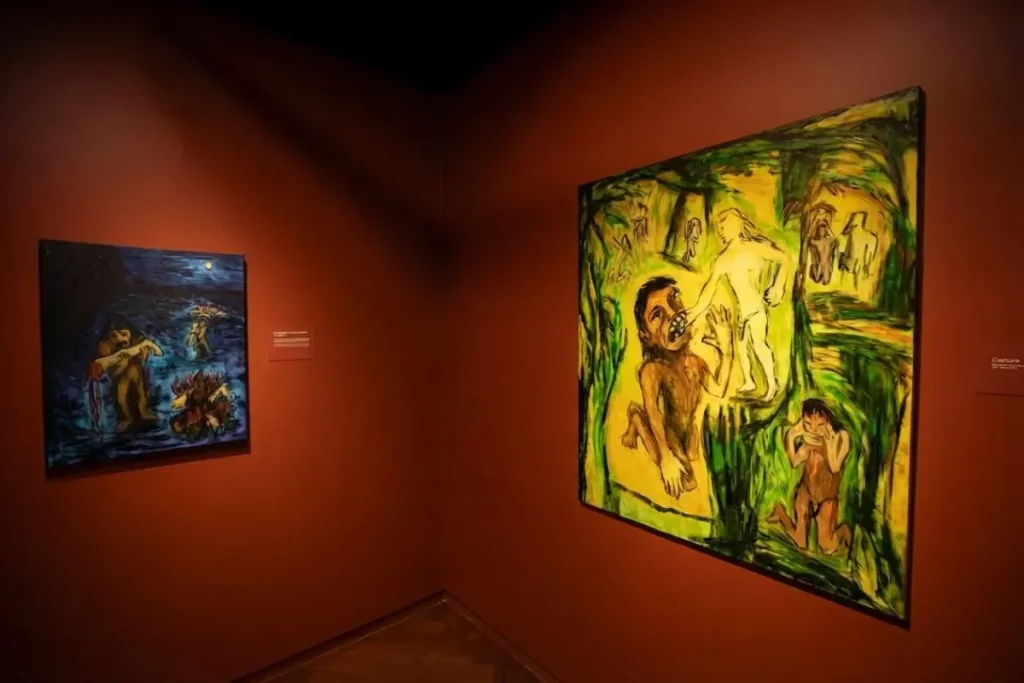
Historical Research Fuels the Darien Jungle Exhibition
De Obaldía built the collection from an extensive investigation into the Darién’s past, drawing on historical texts, cartographic archives, and materials held by the Canal Museum itself. The works connect to the territory of Semaco and the indigenous leader Cémaco, whose resistance to Spanish colonization shaped the region’s early narrative.
The artist’s approach combines visual art with documentary research, offering visitors a pathway into the complex stories that have defined the Darién over centuries. Rather than presenting a linear historical account, the exhibition invites multiple interpretations of the region’s contested past.
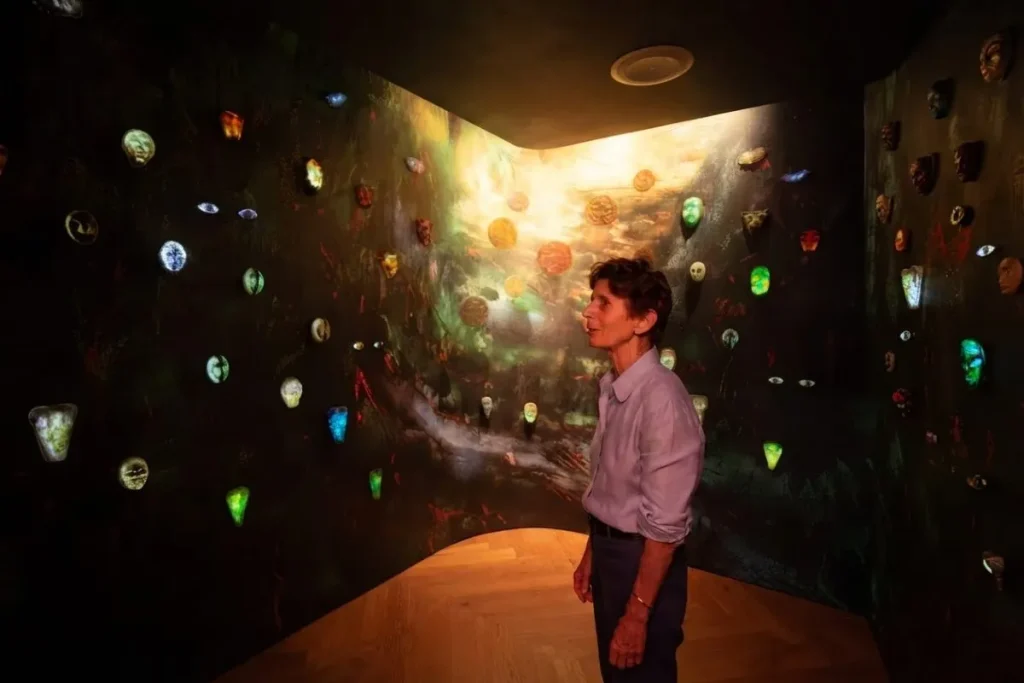
Artistic Interpretation and Public Engagement
The exhibition’s more than 60 pieces range across various media, each engaging with how the Darién has been perceived, mapped, and narrated since the arrival of Europeans. De Obaldía said she hopes visitors will interpret the works from their own perspectives and, if interested, delve deeper into the underlying historical research.
The show positions the Darién not merely as a geographical region but as a space where myth, history, and contemporary concerns intersect. The title itself references the Spanish term for the treacherous waters they crossed and the dense jungle that challenged their expansion.
Cultural Significance for Panama’s Heritage
The Canal Museum, an institution dedicated to preserving Panama’s interconnected histories, provides a fitting venue for work that examines the country’s earliest colonial encounters. The exhibition runs at a time when the Darién continues to occupy national attention, both for its environmental importance and its role in contemporary migration routes.
By anchoring the artistic project in archival materials, de Obaldía bridges the gap between creative expression and historical scholarship, offering audiences a layered understanding of a region that remains central to Panama’s identity.