


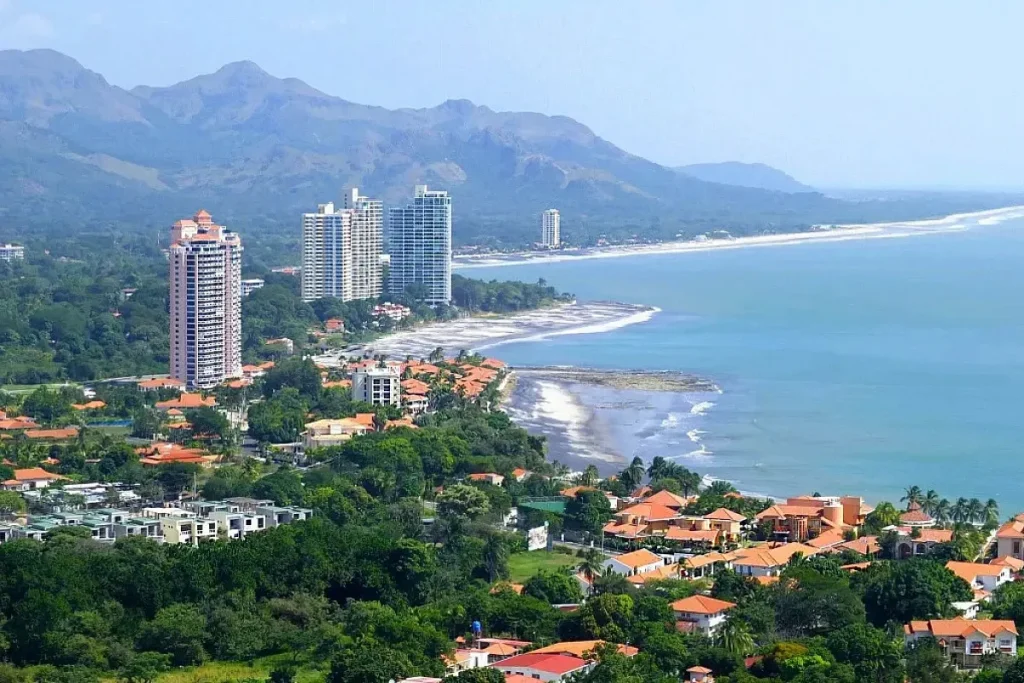
The first thing you notice when you turn off the Pan-American Highway toward Coronado is the sudden absence of urgency. The Panama beach lifestyle doesn’t announce itself with fanfare or spectacle. It settles in quietly, like the afternoon breeze that rolls off the Pacific and makes the palm fronds sway. For decades, this stretch of coastline about 85 kilometers from Panama City served as a weekend refuge for capital dwellers desperate to escape the concrete towers and gridlocked traffic. But something has shifted. The weekenders are staying. The visitors are buying. And a community that began as a three-hour journey down an unpaved road in 1941 has evolved into one of Central America’s most compelling experiments in coastal living.
📑 Table of Contents
- The Historical Roots of a Coastal Community Built to Last
- Everyday Life Where the Beach Is Your Backyard
- The Infrastructure That Makes Full-Time Coastal Living Possible
- Why Coronado Appeals to a New Generation of Residents
- The Practical Considerations Behind the Panama Beach Lifestyle
- What the Future Holds for Coronado and Panama’s Pacific Coast
What makes this transformation remarkable isn’t just the new construction or the influx of international residents. It’s the way Coronado has managed to preserve its unhurried character while building the infrastructure necessary for full-time life. Supermarkets, hospitals, restaurants, and schools now sit alongside the golf course and beach clubs that first put this area on the map. The result is a place where the practicalities of everyday existence coexist with the simple pleasure of living near the sea.
The Historical Roots of a Coastal Community Built to Last
Coronado’s story begins with Roberto “Bob” Eisenmann, a visionary who saw potential in a remote Pacific beach when few others did. In 1941, he founded Playa Coronado, a development spanning more than 900 hectares at a time when the road from Panama City was unpaved and the journey took roughly three hours. That distance wasn’t a drawback in Eisenmann’s eyes. It was the whole point. Coronado was designed as a genuine escape, a place where families could leave the city’s rhythms behind and reconnect with something slower.
The development gained momentum in 1972 when Ithiel Roberto Eisenmann Jr. formalized Desarrollo Golf Coronado, S.A., ushering in an era of planned residential growth. The golf course arrived in 1973, designed by Tom and George Fazio, names that carry serious weight in the world of course architecture. Torres Punta Prieta condominiums followed in 1990, and the Coronado Golf & Beach Resort hotel opened its doors in 1994 with 78 rooms. Each milestone reflected a deliberate strategy: build the amenities first, and the community will follow.
That approach has given Coronado an architectural diversity that feels organic rather than manufactured. Traditional beach houses on generous lots sit comfortably alongside established condominium buildings and newer residences arranged around the golf course. Some properties have been in the same families for generations. Others changed hands recently as international buyers discovered what Panamanian families have known for decades. The mix creates a texture that newer developments, thrown up quickly to capitalize on real estate trends, simply cannot replicate.
Everyday Life Where the Beach Is Your Backyard
The difference between visiting Coronado and living there becomes apparent on an ordinary Tuesday. A weekend visitor sees the beach, enjoys a long lunch at Picasso Restaurant, and heads back to the capital before sunset. A full-time resident needs groceries, banking, healthcare, home maintenance, and places to meet friends. Coronado’s commercial corridor along the Pan-American Highway has grown to meet those needs, anchored by established supermarkets like Riba Smith and Supermercados Rey, plus the shops at The Village Shopping Mall.
Medical care has expanded alongside retail. Clinical Hospital San Fernando Coronado provides local services, with additional clinics scattered throughout the wider area. Residents with particular specialist requirements still make the drive to Panama City, but the baseline of everyday healthcare has improved dramatically over the past decade. That infrastructure changes the meaning of a beach home. Living near the ocean no longer requires sacrificing access to the essentials of modern life.
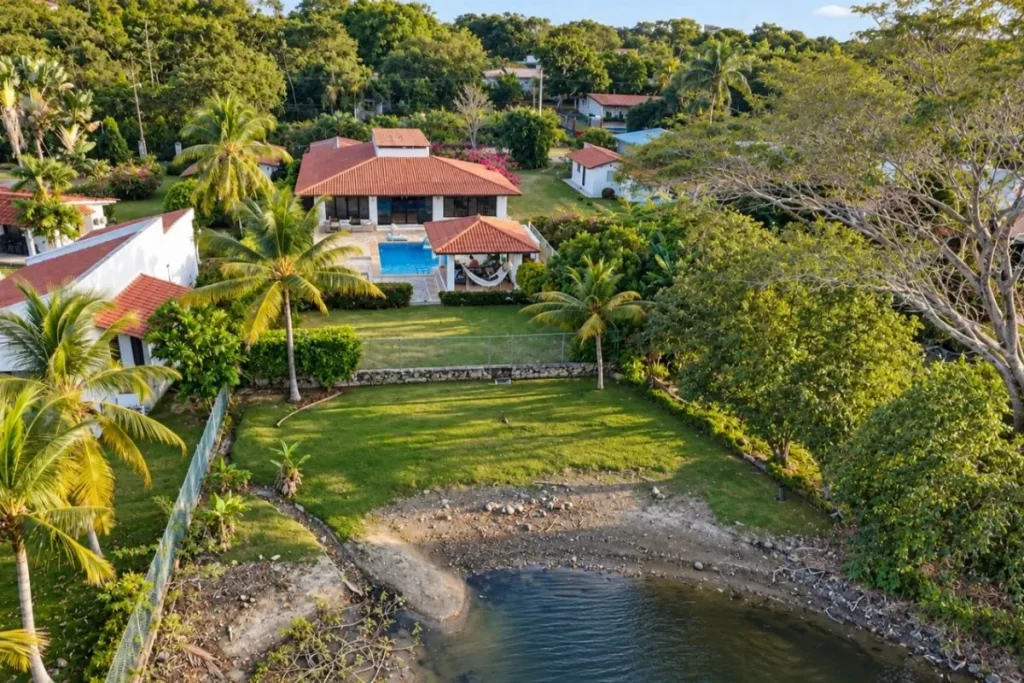
For those considering a permanent move, the real estate market offers options across a wide spectrum. Take, for instance, this four-bedroom home with pool in Coronado, which exemplifies the kind of property that has become increasingly popular among full-time residents. Homes like this one, with outdoor living spaces designed for year-round use, reflect a deeper understanding of what the Panama beach lifestyle actually requires. It’s not just about proximity to the ocean. It’s about creating spaces where daily life can unfold comfortably, whether that means morning coffee on a terrace or evening swims before dinner.
The Infrastructure That Makes Full-Time Coastal Living Possible
Coronado’s location in the district of Chame, Panamá Oeste province, positions it strategically between the capital and the coastal communities stretching westward. The Pan-American Highway provides a direct connection to Panama City, making it feasible to maintain business or family connections while organizing daily life closer to home. Driving time varies depending on traffic and the day of travel. A quiet weekday journey bears little resemblance to a holiday return when half the city seems to be heading back from the beach.
Within Coronado itself, the distances between homes, shopping areas, and recreational facilities encourage a different kind of routine. Most residents find a car useful, particularly those living within the residential development who regularly visit businesses along the highway. But the reward for that minor inconvenience is space. Space between buildings. Space for outdoor living. Space for gardens, pets, visiting family, or a private pool. In many properties, that space extends to the kind of outdoor kitchens and dining areas that make entertaining feel effortless.
The restaurant scene has matured alongside the residential growth. Places like Restaurante Nazca 21 Coronado offer Peruvian cuisine with a coastal twist, while the wider commercial corridor provides more variety than a visitor might expect from a beach destination. Casual meals, celebratory dinners, and everything in between are available without making the drive to the capital. For residents who came from cities where dining out required planning and traffic, this accessibility represents a significant quality-of-life upgrade.
Why Coronado Appeals to a New Generation of Residents
The profile of Coronado’s full-time residents has shifted in recent years. While retirees from North America and Europe have long been a presence, the community now attracts younger families and remote workers who discovered during the pandemic that location flexibility could mean living somewhere genuinely desirable. High-speed internet, reliable utilities, and the proximity to an international airport have made the transition easier than many anticipated. The Panama beach lifestyle no longer requires waiting until retirement to enjoy.
That demographic shift has implications for the community’s future. Schools, sports programs, and family-oriented activities have expanded to serve a population that includes children and teenagers. The golf course, once the domain of retirees and vacationing executives, now hosts junior clinics and family tournaments. Beach clubs that once catered primarily to weekend visitors have adapted their programming to serve full-time members who expect facilities to operate year-round.
Real estate developers have taken notice. Newer projects emphasize features that appeal to permanent residents: larger kitchens, dedicated home office spaces, energy-efficient systems, and community amenities designed for daily use rather than occasional entertainment. The four-bedroom homes with pools that once seemed extravagant for a beach retreat now make perfect sense for families who live here year-round and host visiting relatives during the winter months.
The Practical Considerations Behind the Panama Beach Lifestyle
Anyone considering a move to Coronado should approach the decision with clear eyes. The community offers a compelling lifestyle, but it isn’t for everyone. Those who thrive here tend to appreciate the slower pace rather than tolerate it. They don’t miss the constant stimulation of a large city. They value space and privacy over convenience and density. And they understand that beach living comes with maintenance considerations, from salt air’s effect on vehicles to the seasonal rhythms that shape coastal life.
The healthcare situation deserves careful evaluation. While local options have improved substantially, complex medical needs may still require trips to Panama City. The drive is manageable, but it’s worth considering how often those trips might be necessary. Families with school-age children should investigate educational options thoroughly, as the range of choices in the immediate Coronado area differs from what’s available in the capital.
Yet for those who make the move, the rewards extend beyond the obvious pleasures of ocean views and warm weather. There’s a genuine sense of community here, built over generations by Panamanian families and enriched by newcomers who bring their own traditions and perspectives. The result is a place that feels established rather than transient, rooted rather than speculative. That sense of permanence, rare in beach communities that boom and bust with real estate cycles, may be Coronado’s most valuable asset.
What the Future Holds for Coronado and Panama’s Pacific Coast
Panama beach lifestyle continues to evolve as Coronado grows, although the direction of that growth remains a subject of discussion within the community. Balancing new construction with the preservation of open space, managing traffic along the highway corridor, and ensuring that infrastructure keeps pace with population growth are ongoing challenges. Local organizations and residents’ groups have become more vocal in recent years, advocating for thoughtful development that respects the qualities that made Coronado attractive in the first place.
The broader Panama beach lifestyle continues to evolve as communities along the Pacific coast develop their own identities. Coronado’s advantage lies in its head start. The decades of incremental growth, the established institutions, and the multigenerational families who call it home provide a foundation that newer developments cannot quickly replicate. As Panama’s reputation as a destination for international residents grows, Coronado stands as proof that coastal living can be sustainable, practical, and deeply rewarding.
For those watching from a distance, the appeal is easy to understand. For those who have made the move, the reality is even better. The mornings start with coffee and the sound of the ocean. The afternoons offer swimming, golf, or simply reading in the shade. The evenings bring dinners outdoors, conversations with neighbors, and the quiet satisfaction of knowing that tomorrow will offer more of the same. That’s not just a vacation. That’s a life.