


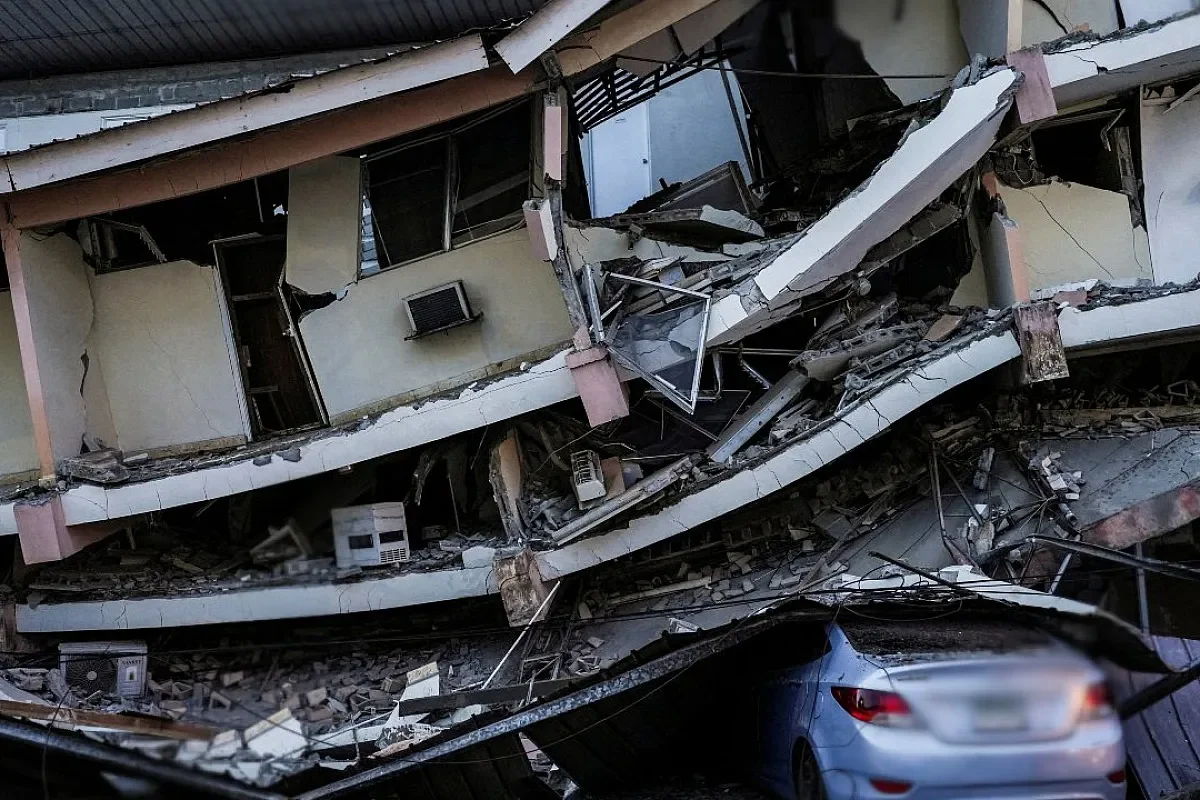
A preliminary Sinaproc damage report released Saturday morning confirms that the 7.5 magnitude earthquake that struck Panama on Friday, October 9, damaged homes, schools, hospitals, roads, and bridges across 10 provinces and 2 indigenous comarcas. The National Civil Protection System (Sinaproc) documented the destruction as of 10:00 a.m. Saturday, with the hardest-hit areas concentrated in the Azuero Peninsula and central provinces.
The National Emergency Operations Center (COEN) verified structural damage in Veraguas, Coclé, Los Santos, Herrera, Chiriquí, Panamá, Panamá Oeste, Colón, Bocas del Toro, and Darién, alongside the Ngäbe-Buglé and Guna Yala comarcas. At least 27 people sustained injuries during the seismic event, according to earlier government reports.
Las imágenes del terremoto que sacudió a Panamá son verdaderamente impactantes. Un movimiento telúrico de gran magnitud —registrado preliminarmente entre los 7.6 y 7.7 (con estimaciones iniciales de hasta 8.0)— golpeó con fuerza el territorio panameño, dejando graves afectaciones en zonas centrales como Veraguas, Mariato y la península de Azuero. La fuerza con la que se liberó la energía de las placas tectónicas provocó daños severos en infraestructuras y tramos viales, donde las grietas y el colapso parcial de la superficie terrestre evidencian la magnitud del fenómeno.
— Capital Prensa (@capital_prensa) October 10, 2026
Residential Damage and Sinaproc Damage Report by Province
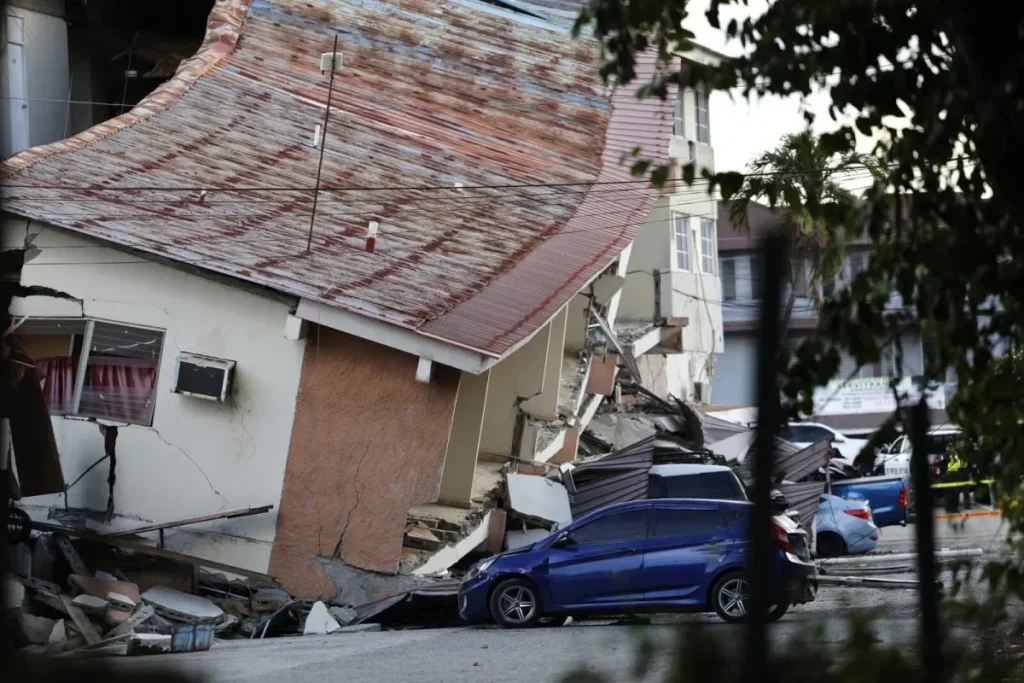
Los Santos recorded the highest number of affected residences, with 140 homes sustaining damage. Herrera followed closely with 126 affected properties, while Coclé documented 59 damaged homes. Veraguas reported 47 affected residences, and Chiriquí counted 33, including one home that suffered total destruction.
Beyond residential structures, the earthquake compromised critical infrastructure. Rural aqueducts, potable water plants, and road networks experienced failures across multiple provinces. The Chilibre water treatment plant is operating at only 20 percent capacity, a development that threatens water access for thousands of residents in the capital region.
In Colón province, authorities documented damage to one residence, eight communal housing structures sheltering 40 families, one government building, and a road infrastructure project. Bocas del Toro reported seven affected homes, while Darién confirmed damage to four educational facilities.
Schools, Hospitals, and Coastal Evacuations
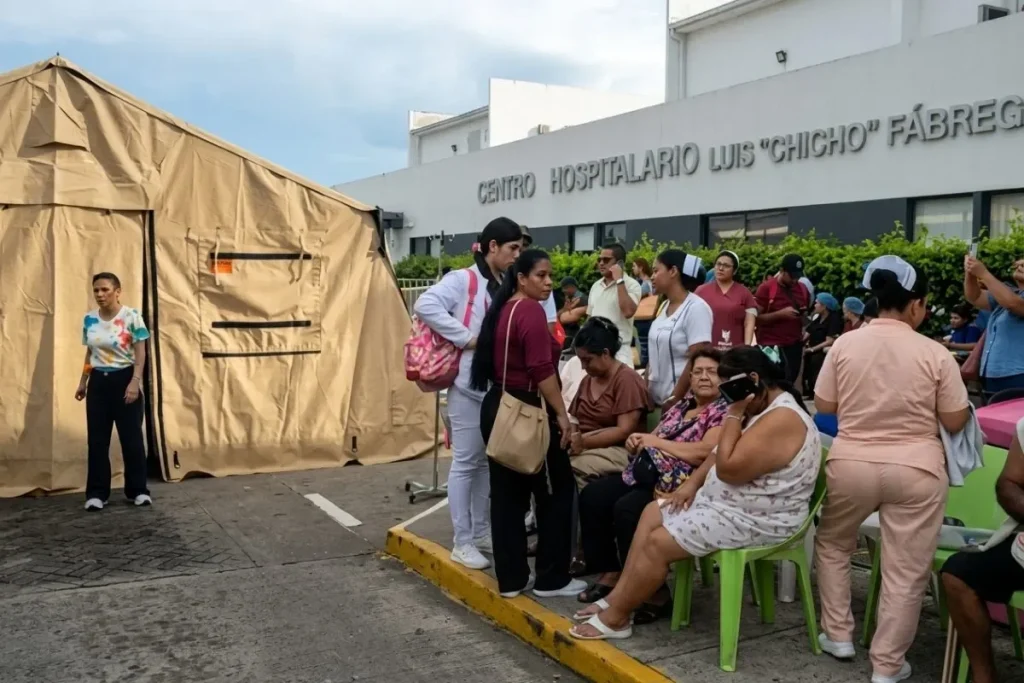
The Ministry of Education reported that 419 official schools nationwide sustained damage from the earthquake. Medical facilities also suffered impacts, prompting authorities to deploy tents equipped with stretchers at six hospitals to reinforce emergency care capacity.
In Los Santos province, a coastal emergency unfolded as rising sea levels and intensified wave activity forced the evacuation of approximately 300 people from Isla Caña to the mainland community of Caña. Officials continue monitoring coastal conditions and have urged residents to follow guidance from security agencies.
An emergency shelter at the Institute for Training and Development of Human Resources in Penonomé, Coclé, is currently housing 13 displaced people, including eight adults and five children. Landslides have left several communities isolated, with damaged roads preventing access to affected areas.
Government Response and Ongoing Risk Assessment
Security Minister Juan Manuel Pino called for calm in the hours after the earthquake, urging citizens to verify the safety of family members and remain alert to official communications. Emergency crews have prioritized restoring access to isolated communities while assessing the full scope of structural damage.
The earthquake, which struck on Friday afternoon, triggered widespread panic and forced evacuations across the country’s interior. Aftershocks remain a concern for emergency planners, who continue to evaluate buildings for structural integrity before allowing residents to return. The Sinaproc damage report will be updated as field assessments conclude in the coming days.