


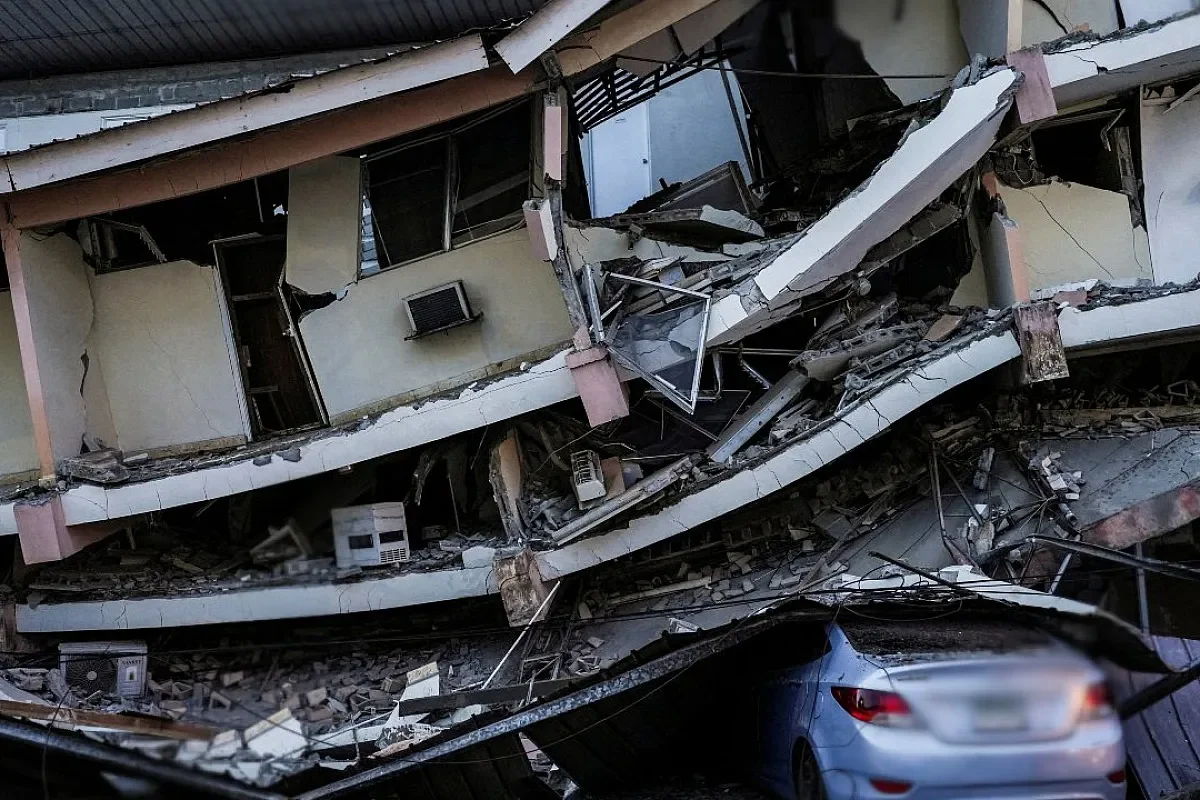
Panama will not tap the Panama Savings Fund (FAP) to cover damages from the magnitude 7.5 earthquake that struck the country, according to a statement from the Ministry of Economy and Finance (MEF). Officials said current emergency costs remain far below the $450 million legal trigger required to access the sovereign wealth fund.
The decision follows a technical assessment of structural damage, including a severely affected home in La Casica, a sector of Tonosí. The MEF confirmed that existing state resources are sufficient for immediate recovery needs without activating the legal mechanisms governing FAP withdrawals.
Legal Threshold Governs Panama Savings Fund Access
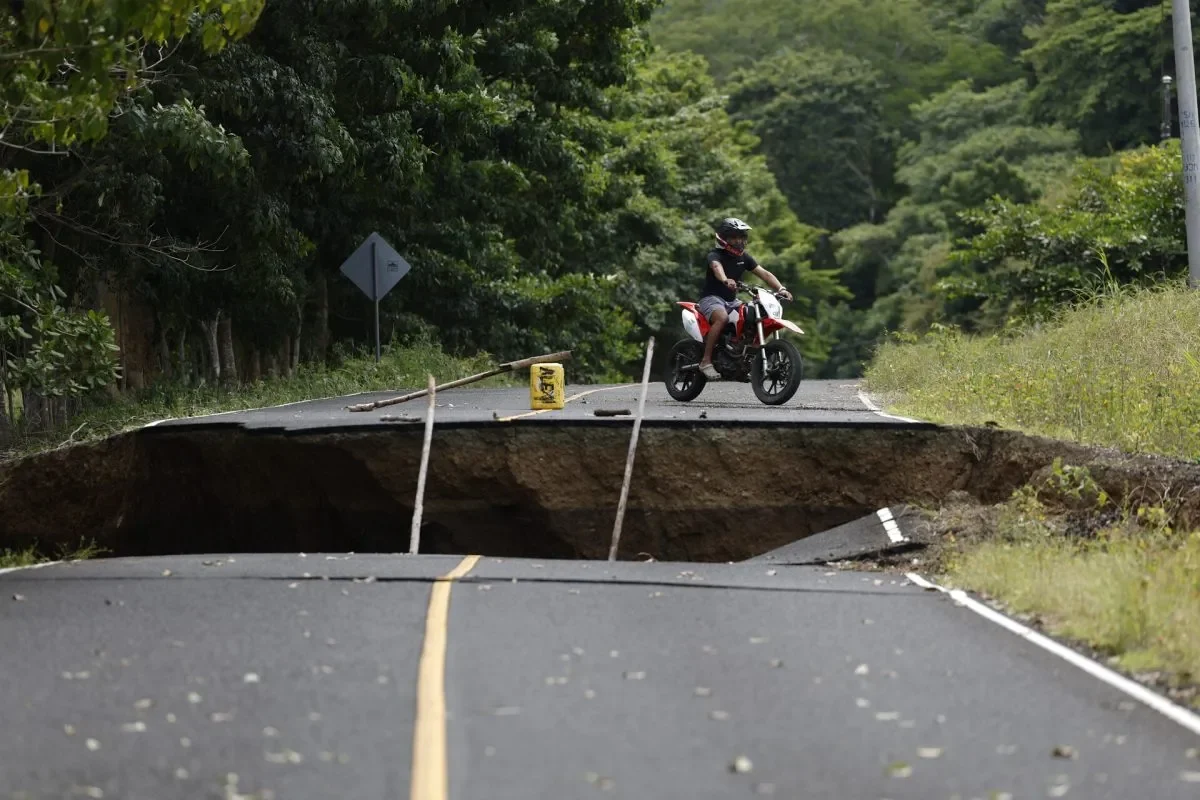
Panama’s fiscal rules mandate that emergency withdrawals from the FAP require damages equivalent to 0.5 percent of the nation’s gross domestic product (GDP). That figure stands at approximately $450 million given current economic output. Preliminary estimates place quake-losses well below that level, the MEF said.
The FAP was designed as a long-term savings and financial stabilization instrument. Its core purpose is to bolster state response capacity during extraordinary circumstances, not routine disaster relief. Officials reiterated that any disbursement depends on a technical evaluation of financial needs and strict compliance with existing regulations.
Fund administrators said they remain in contact with relevant authorities and are monitoring damage assessments as they evolve. The institution emphasized its financial position remains solid and that it stands ready to fulfill its legal mandate if conditions warrant.
Government Response and Fiscal Strategy
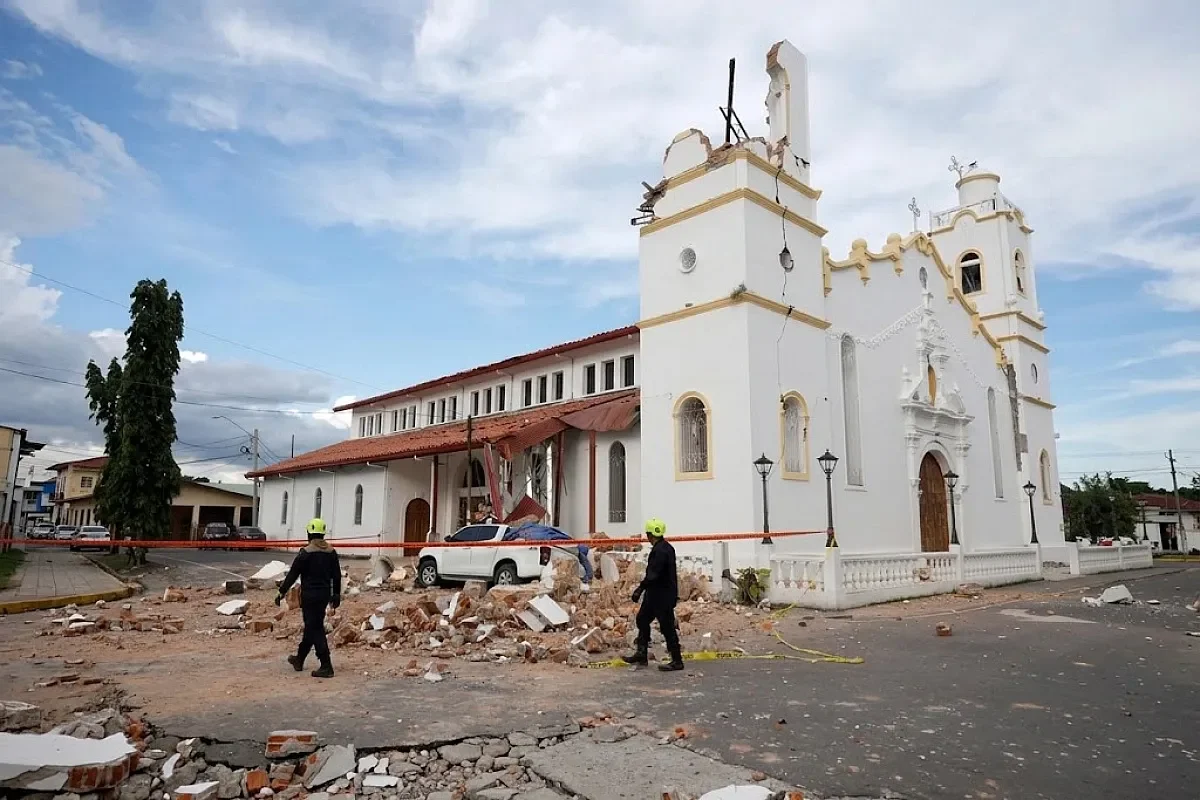
In the aftermath of the quake, the government has leaned on insurance mechanisms and non-reimbursable funds rather than sovereign savings. The MEF previously signaled it would maintain fiscal targets while drawing on those alternative resources for reconstruction and emergency response.
Security officials urged calm and advised residents to stay alert to information about family members in affected zones. Coordination between the MEF, the FAP, and emergency agencies continues under established institutional protocols for disaster management.
Regional Damage Assessment Underway
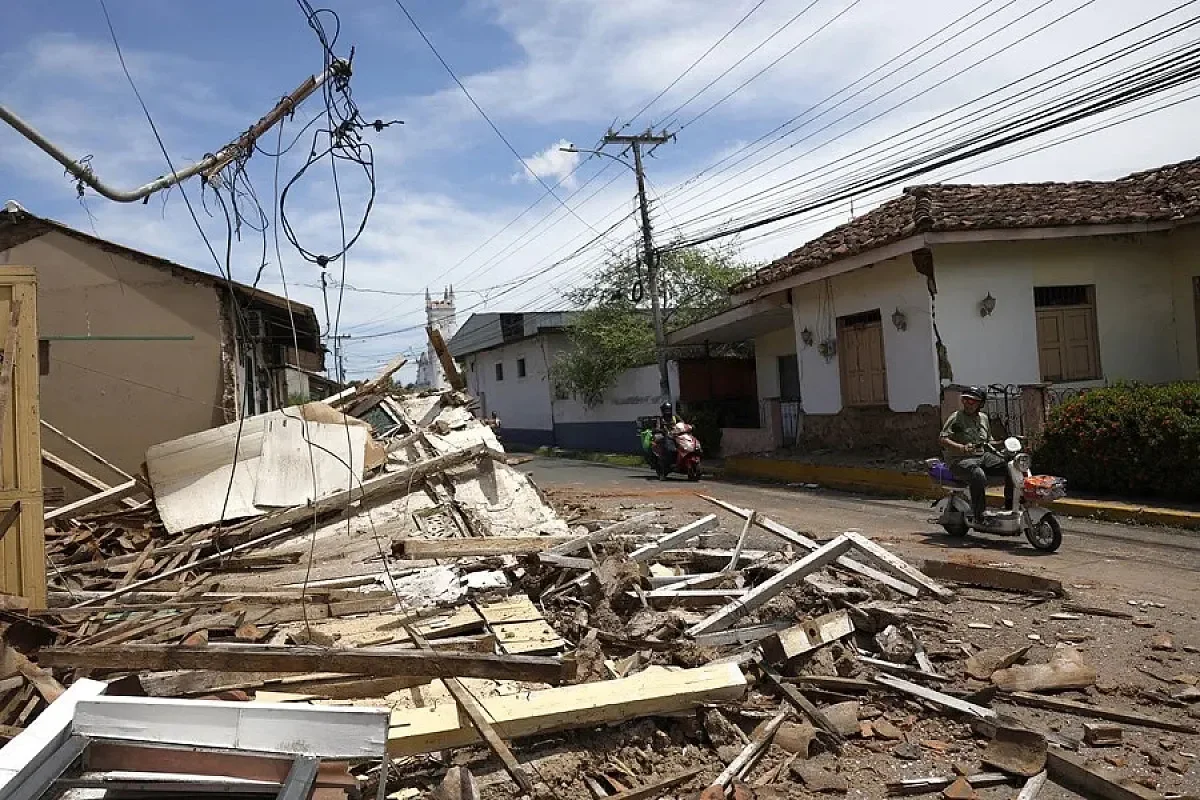
Localized damage reports, including the compromised structure in Tonosí, highlight the uneven impact of the seismic event. Authorities have not released a comprehensive national damage total, but current figures suggest the fiscal threshold for FAP activation will not be crossed.
The FAP’s role in Panama’s broader economic architecture has drawn renewed attention during this emergency. As a stabilization tool, it is reserved for shocks that threaten macroeconomic stability or impose catastrophic fiscal burdens. The current quake response, officials said, does not meet that bar.