


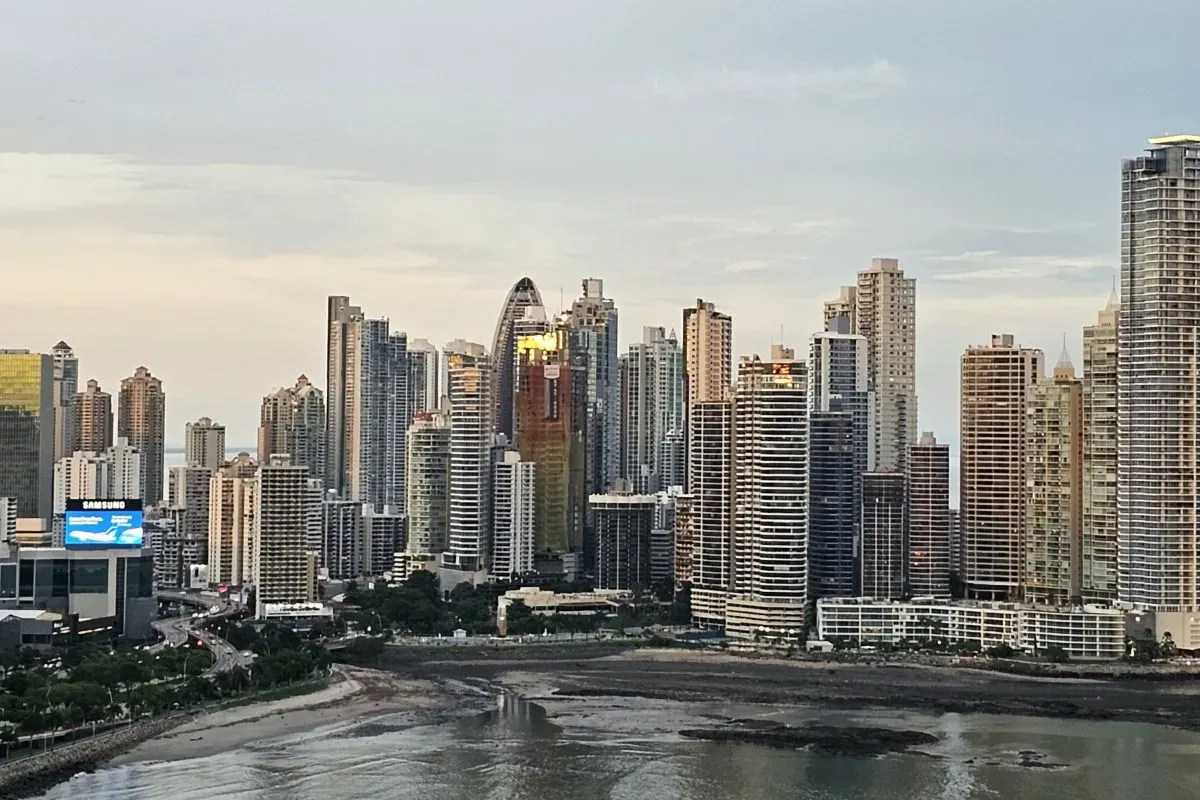
Three days after a 7.5 magnitude earthquake struck Panama, thousands of residents remain in limbo as buildings across Panama City await structural safety checks. Many families report visible cracks, gas leaks, and persistent anxiety while building administrators scramble to secure certified inspectors amid surging demand.
The quake has exposed a critical gap in emergency response. Firefighters are providing guidance but not conducting structural evaluations, leaving property owners responsible for hiring private engineers. That responsibility has created a bottleneck, with inspection costs rising sharply as residents compete for limited certified professionals.
Residents Describe Cracking Walls and Gas Leaks
Andrea Vicuña was on the ninth floor with her daughters, ages 11 and 15, when the shaking began. She described hearing the building crack and seeing hanging lamps swing violently before evacuating with an emergency bag she had prepared after learning from Venezuela’s earthquake experience.
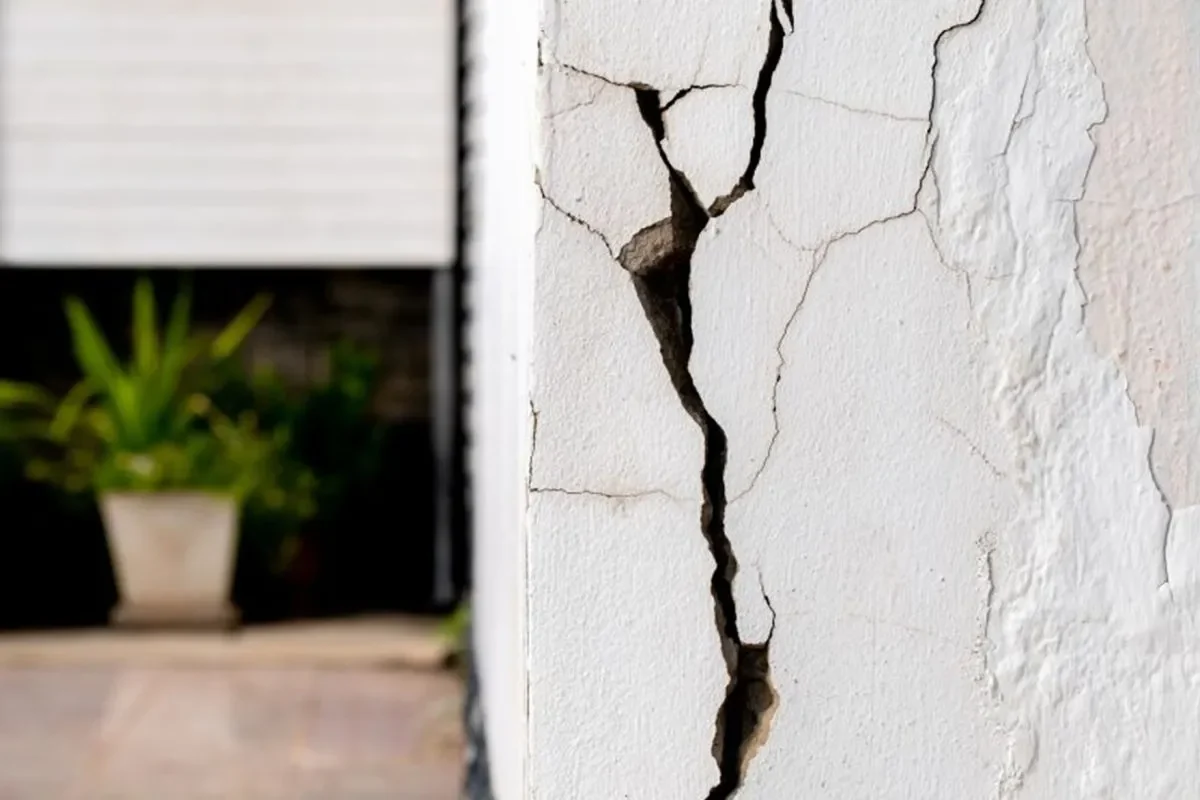
Her apartment now shows cracks in floors and walls, including her daughter’s bedroom. A gas leak left the unit without service until Monday. The family has been sleeping at her mother’s house, waiting for comfort and safety before returning.
‘It sounded like the building was cracking, like something was breaking. I felt very afraid and very responsible for what could happen because I really didn’t know if the building was going to collapse or not’ [Translated from Spanish]
Cayetano Gálvez experienced the quake in his parents’ fifth-floor apartment in Parque Lefevre. His own residence sits on the tenth floor in Río Abajo. Both buildings await professional inspection. He returned home but said anxiety resurfaces with every aftershock.
‘Until Sunday night I was able to sleep in my bed, still with worry. I feel like something is moving when it really isn’t. My partner is calmer, she has her own way of handling it, but I want to protect’ [Translated from Spanish]
Fire Department Clarifies Inspection Protocol
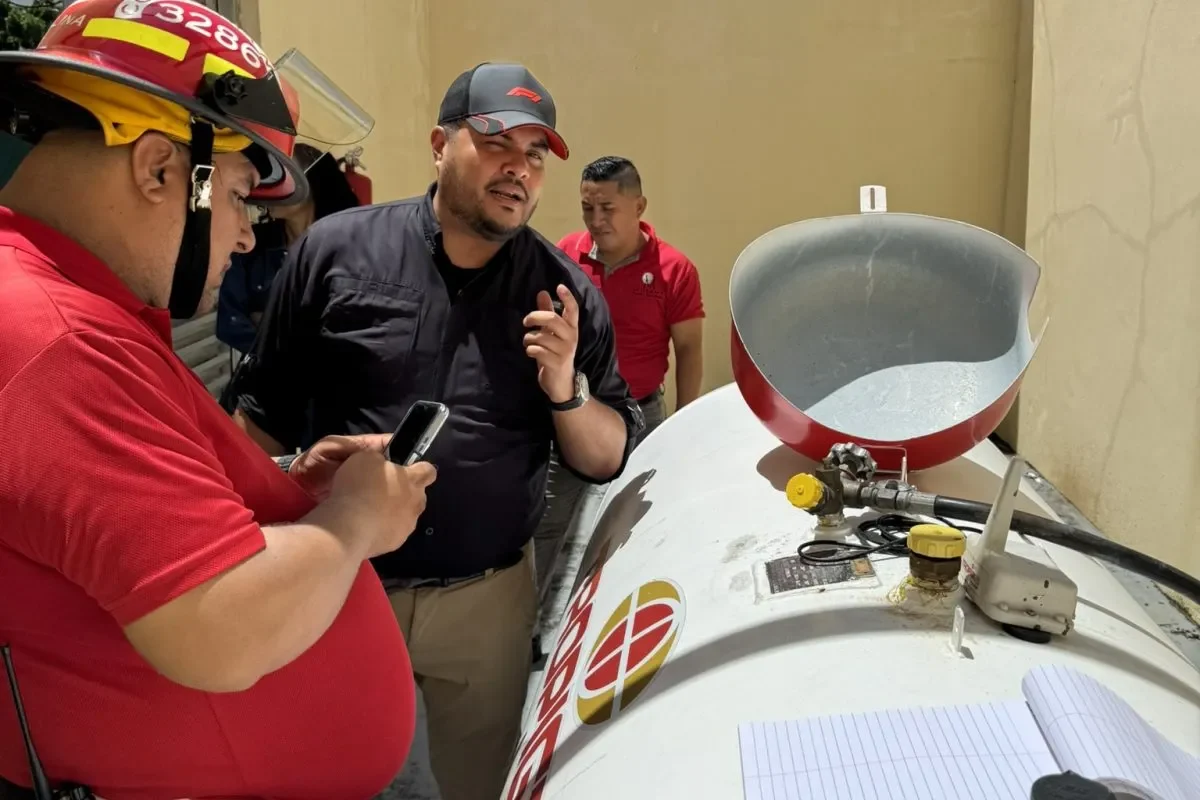
Colonel Víctor Álvarez, director general of Panama’s fire department, outlined the official procedure. Building administrations must hire their own structural engineer and gas specialist, then notify firefighters for guidance. Government institutions must coordinate their infrastructure departments with fire officials.
Álvarez stressed that firefighters are not responsible for structural reviews, though they are supporting all residential properties. The protocol places the burden squarely on building administrators, many of whom are still evaluating budgets for inspection services.
Sources indicate the extraordinary demand has driven up inspection prices, with some contractors charging premium rates for faster service. This pricing pressure is leaving some buildings waiting longer, prolonging uncertainty for residents.
Structural Safety Checks Face Demand Surge
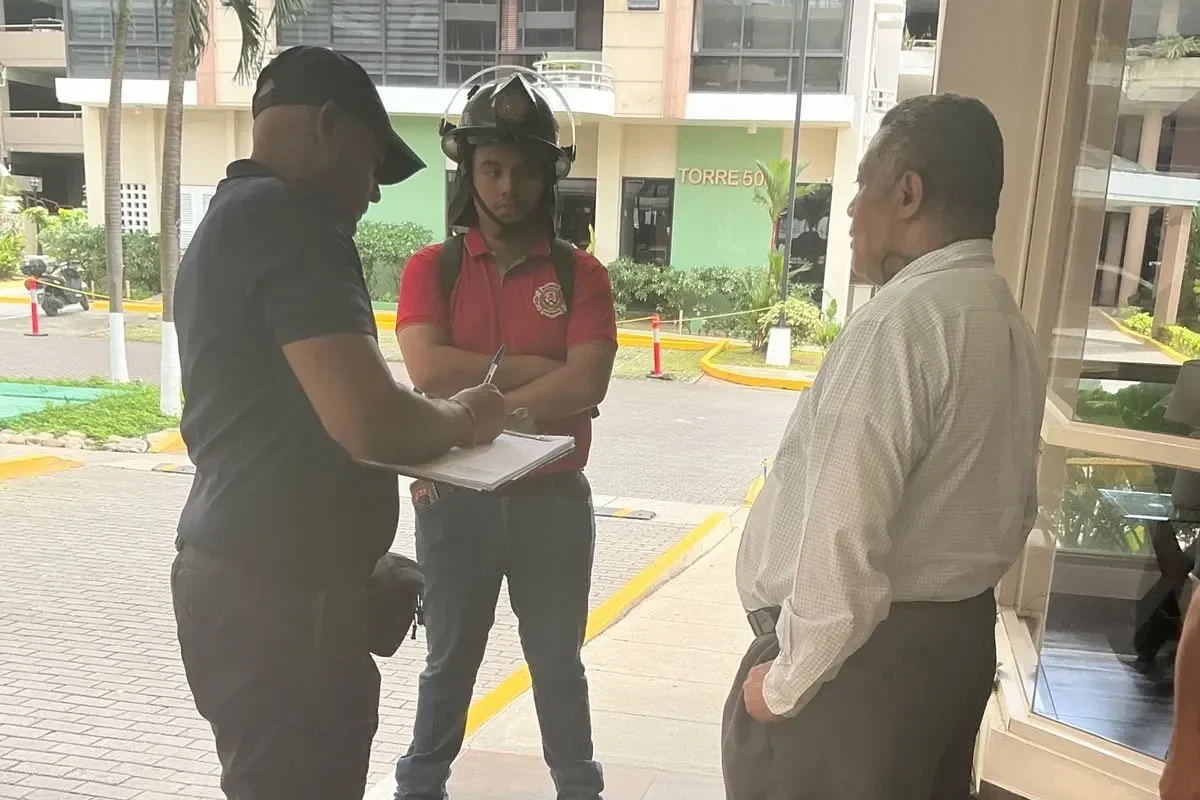
A resident identified as Alicia, who asked to withhold her full name, lives in El Carmen where cracks are clearly visible. She reported that residents were cooking during the earthquake and left stoves on, creating gas leak concerns that firefighters have not yet confirmed.
‘We don’t know if it’s safe. They did an inspection on Saturday with just one engineer but only superficially. Sinaproc hasn’t come, they haven’t done deep reviews that would give me peace of mind’ [Translated from Spanish]
She recalled hearing walls crack like cookies during the quake. Her building’s single-engineer review has not provided the assurance residents seek, highlighting the gap between preliminary assessments and comprehensive structural evaluations.
The situation underscores a broader challenge for Panama City’s vertical housing stock. With thousands of buildings requiring attention, the availability of certified structural engineers and gas specialists has become a critical bottleneck. Residents continue waiting, balancing the need for safety with the practical realities of limited inspection capacity and rising costs.
Sismo en Panamá | El ingeniero Sion Atencio, representante del Colegio de Ingenieros ante la Junta Técnica de Ingeniería y Arquitectura, explica por qué los edificios de la ciudad de Panamá resistieron al terremoto de magnitud 7.5: “La mayoría de los edificios altos en Panamá están diseñados con criterios sísmicos por el Código Estructural de la República, el cual contempla que estos diseños tengan que ejecutarse para resistir las aceleraciones sísmicas en la República de Panamá. Aparte de eso, el epicentro estuvo a 213 kilómetros de distancia y la profundidad fue bastante corta, eso significa que las aceleraciones que llegaron a ciudad de Panamá fueron disminuidas con respecto al epicentro en una décima parte y por eso resistieron los edificios”.
— Telemetro Reporta (@TReporta) October 13, 2026