


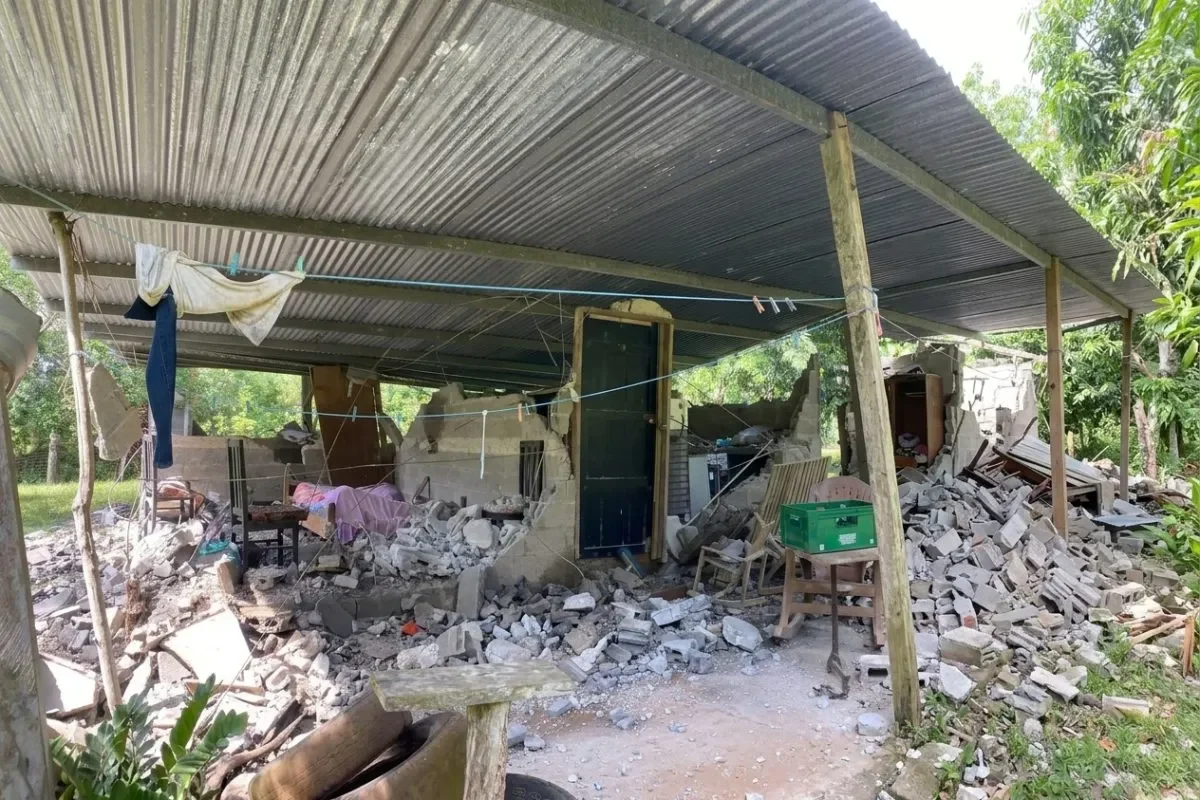
Families in the India Cabecera sector of Anton Valley, Coclé province, are living under tarps, blankets, and zinc sheeting after the Anton Valley earthquake destroyed or severely damaged their homes on Friday, October 9. Residents who lost everything now face uncertainty about when they might secure safe permanent housing.
Darío Rodríguez lost his house entirely in the tremor. His relatives have pieced together a temporary shelter to shield the family from weather while they wait for official assistance. The same scenario plays out across the community, where residents abandoned structures they fear could collapse without warning.
Anton Valley Earthquake Damage Forces Mass Displacement
The National Civil Protection System, known as Sinaproc, reports 2,164 families affected across the region and 506 homes classified as total losses. Days after the seismic event, the immediate danger has passed but the housing crisis has only deepened for those without habitable shelter.
Residents of India Cabecera describe leaving behind not just buildings but their sense of security. Many say the psychological toll of not knowing when they can return, or whether they will have a roof at all, outweighs the material losses. The improvised camps offer minimal protection against rain and wind as the community waits for structural assessments and aid distribution.
El ministro de Salud, Fernando Boyd Galindo, informó que cerca de 70 pacientes reciben atención en carpas tras las graves afectaciones registradas en el Hospital Aquilino Tejeira, en Penonomé. Además, se trabaja en la instalación de hospitales modulares para reforzar los servicios médicos. Equipos técnicos del @MINSAPma, con apoyo de especialistas enviados desde Virginia por la Embajada de Estados Unidos, evalúan las estructuras para determinar cuáles pueden recuperarse. El ministro aseguró que el nuevo Hospital Aquilino Tejeira no presenta daños y que su construcción está próxima a finalizar. También se reportaron afectaciones en instalaciones sanitarias de sectores como El Valle de Antón y El Tambo, en La Pintada. Las autoridades trabajan en la recuperación de los servicios y, hasta el momento, no se han reportado víctimas fatales. Con información de Elena Valdez. #Coclé #RadioPanamá
— Radio Panamá (@radiopanama) October 10, 2026
Community Turns to Social Media for Visibility
Some affected families have begun posting videos and testimonials online showing their living conditions in the makeshift encampments. These posts document the extent of structural damage and the urgency of their situation as they seek faster response from authorities and humanitarian organizations. Many of these families have lost everything and are now sleeping under open skies, exposed to rain and heat while they wait for help that has yet to arrive.
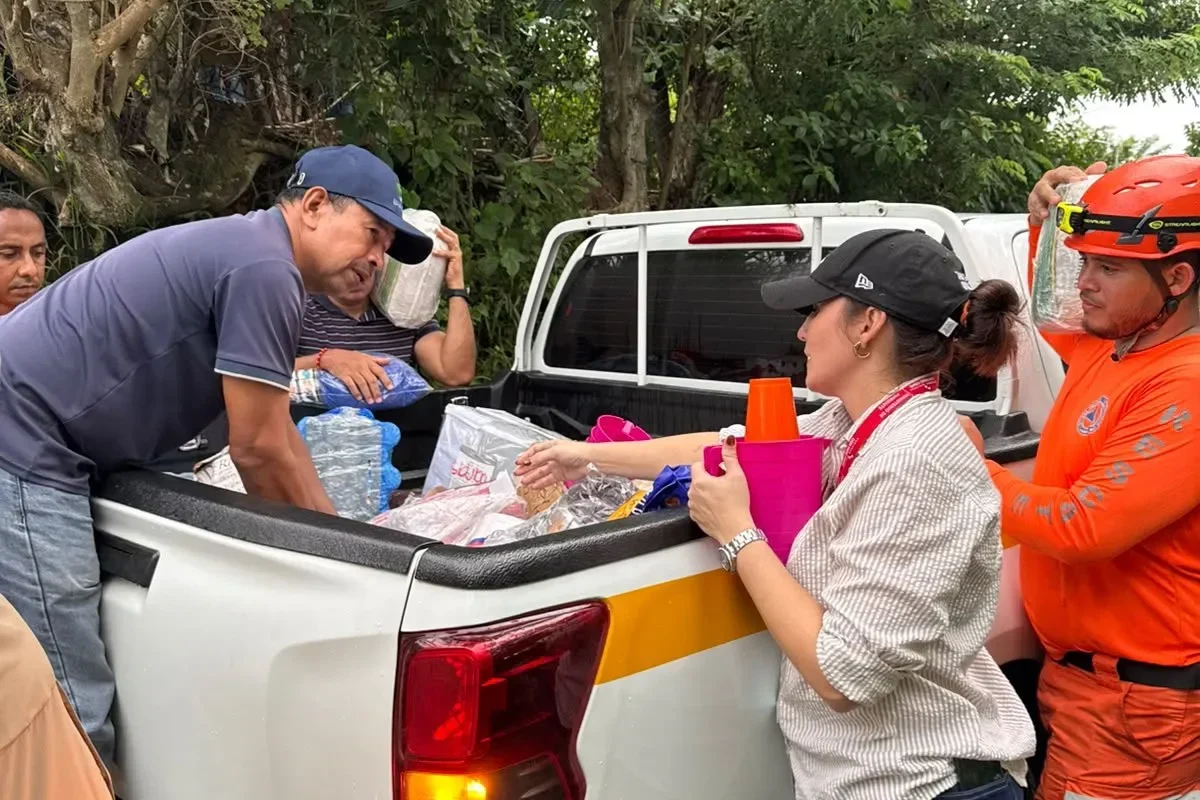
The scenes from India Cabecera mirror broader challenges facing rural communities after natural disasters in Panama. Remote sectors often wait longer for damage assessments and rebuilding resources compared to urban centers. This gap between urban and rural response has sparked growing frustration among residents, who feel abandoned by the very institutions meant to protect them. Local residents say they need tarps, food, clean water, and most critically, clarity on long-term housing plans.
Official Response and Next Steps for Displaced Families
Emergency officials continue evaluating damaged structures to determine which homes can be repaired and which require demolition. The 506 total-loss properties represent families who cannot return under any circumstances, placing immediate pressure on temporary housing solutions.
For Rodríguez and his neighbors, each day brings the same unanswered questions about permanent resettlement. The improvised shelters offer survival, not stability. Community members express hope that the attention generated by their online appeals will accelerate the arrival of building materials and financial support needed to reconstruct their lives in Anton Valley.