


Health authorities confirmed 34 positive malaria cases among informal workers near the main Merca Panama wholesale market on October 14, marking a significant public health intervention in the Ancón district along Vía Centenario. The Ministry of Health (Minsa) linked the Merca Panama malaria cluster to nighttime mosquito exposure and the arrival of infected individuals from endemic provinces.
Epidemiological teams from the Metropolitan Health Region identified the infections through active surveillance, which included symptom screening, diagnostic sampling, and patient follow-up. Officials said the infected workers were unaware of their condition when they arrived at the market area.

Merca Panama Malaria Source and Transmission Vector
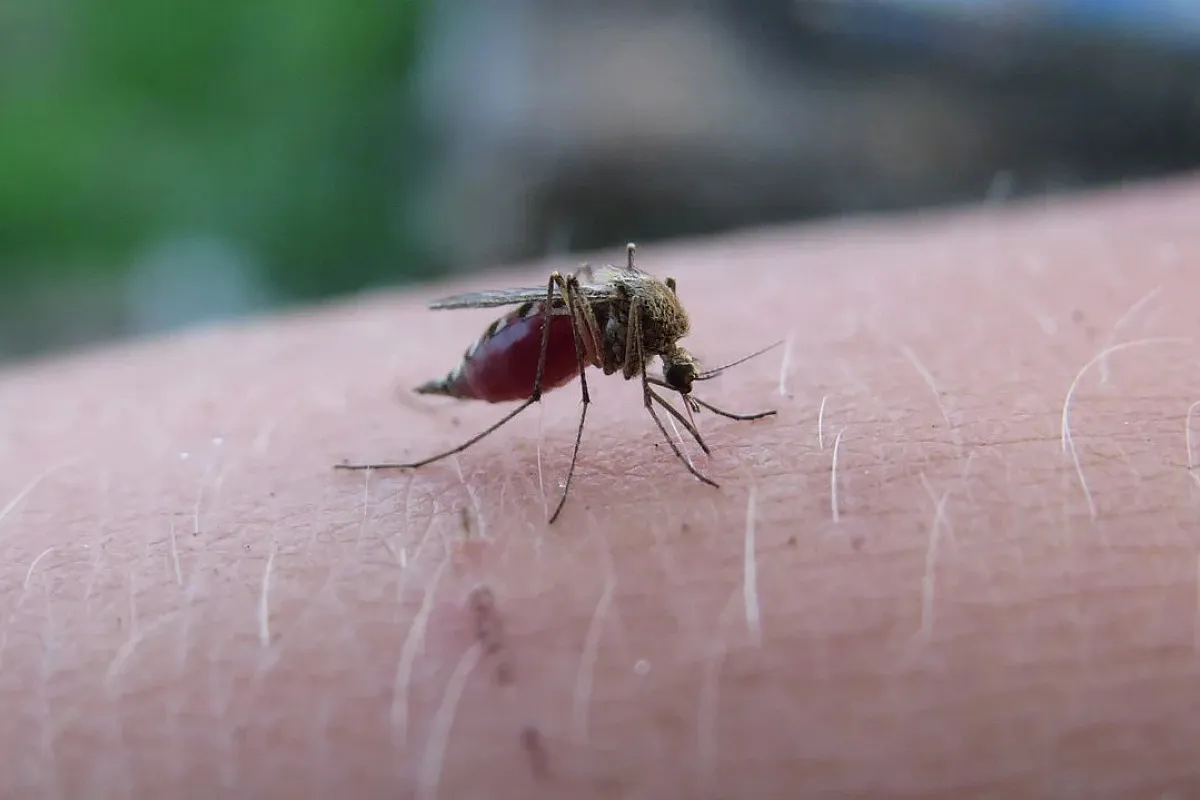
Investigators believe the outbreak originated with people traveling from provinces where malaria remains endemic. These individuals, already carrying the parasite, stayed overnight near the market and were bitten by Anopheles mosquitoes, the primary vector for the disease in Panama.
The health ministry emphasized that malaria does not spread through buying, handling, or consuming food. Products sold at Merca Panama pose no transmission risk. Infection occurs exclusively through the bite of an infected Anopheles mosquito, which feeds primarily between dusk and dawn.
Historically, Panama’s malaria transmission concentrates in Darién, indigenous comarcas, and specific areas of Bocas del Toro, Veraguas, and Panama East. The Merca Panama cluster represents an unusual urban-adjacent detection linked to population movement from those regions.
Vector Control and Active Case Finding Intensify
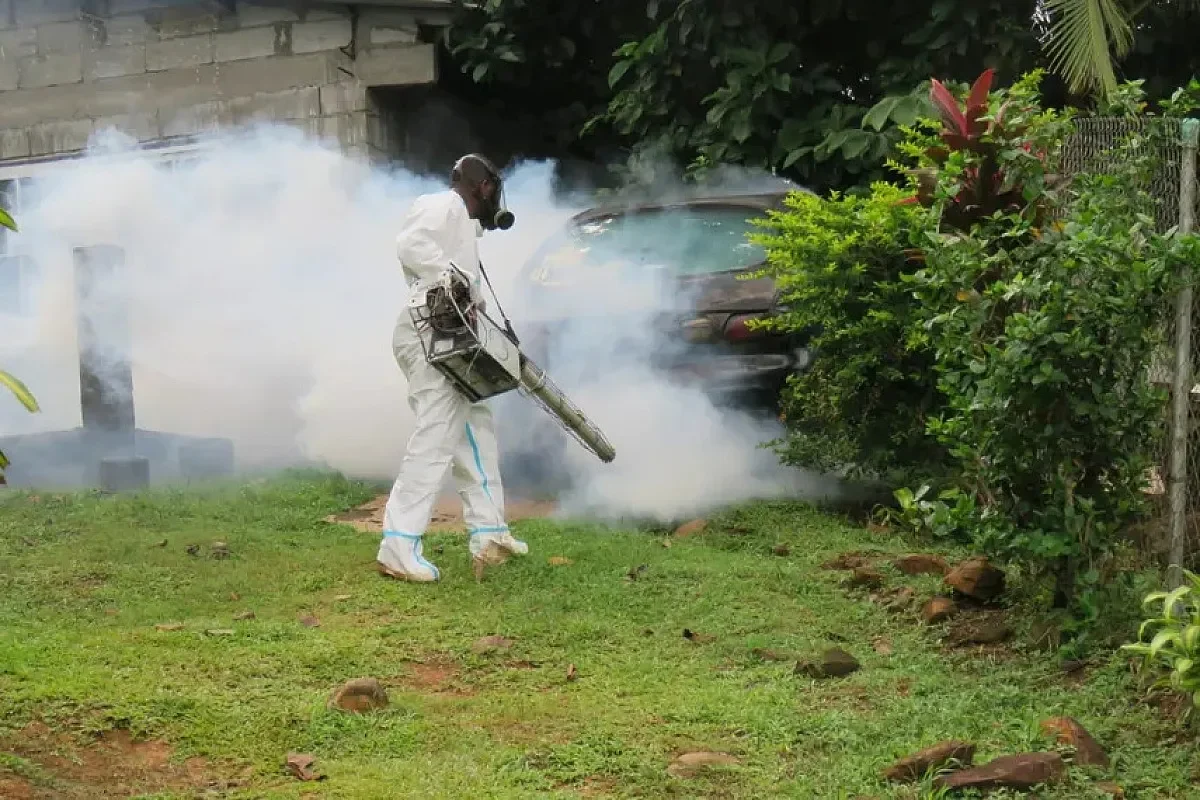
Since the first cases emerged, health teams have conducted active searches for symptomatic individuals, collected diagnostic samples, administered treatments, and tracked patient outcomes. Fumigation campaigns and other vector control measures target mosquito breeding sites around the market perimeter.
Entomological investigations identified risk zones in the market’s surroundings requiring reinforced surveillance. Officials noted that possible exposure sites may lie outside Merca Panama’s property boundaries, prompting interventions in both the identified areas and adjacent neighborhoods.
Workers who remain on site during nighttime hours face higher exposure risk, according to Minsa. The ministry advised anyone experiencing fever, chills, or flu-like symptoms to seek immediate testing at public health facilities.
Regional Context and Public Health Response
Panama has maintained aggressive malaria elimination efforts in recent years, with national incidence declining sharply since 2017. But, pockets of transmission persist in remote eastern provinces, where healthcare access remains limited and vector control faces logistical challenges.
The Merca Panama detection underscores how internal migration patterns can introduce vector-borne diseases into densely populated commercial zones. Health officials continue monitoring the situation and expanding diagnostic capacity in surrounding communities to prevent further spread.
Minsa reiterated that early diagnosis and prompt treatment remain the most effective tools for interrupting transmission chains. The ministry has not announced any market closures or restrictions on commercial activity at this time.