


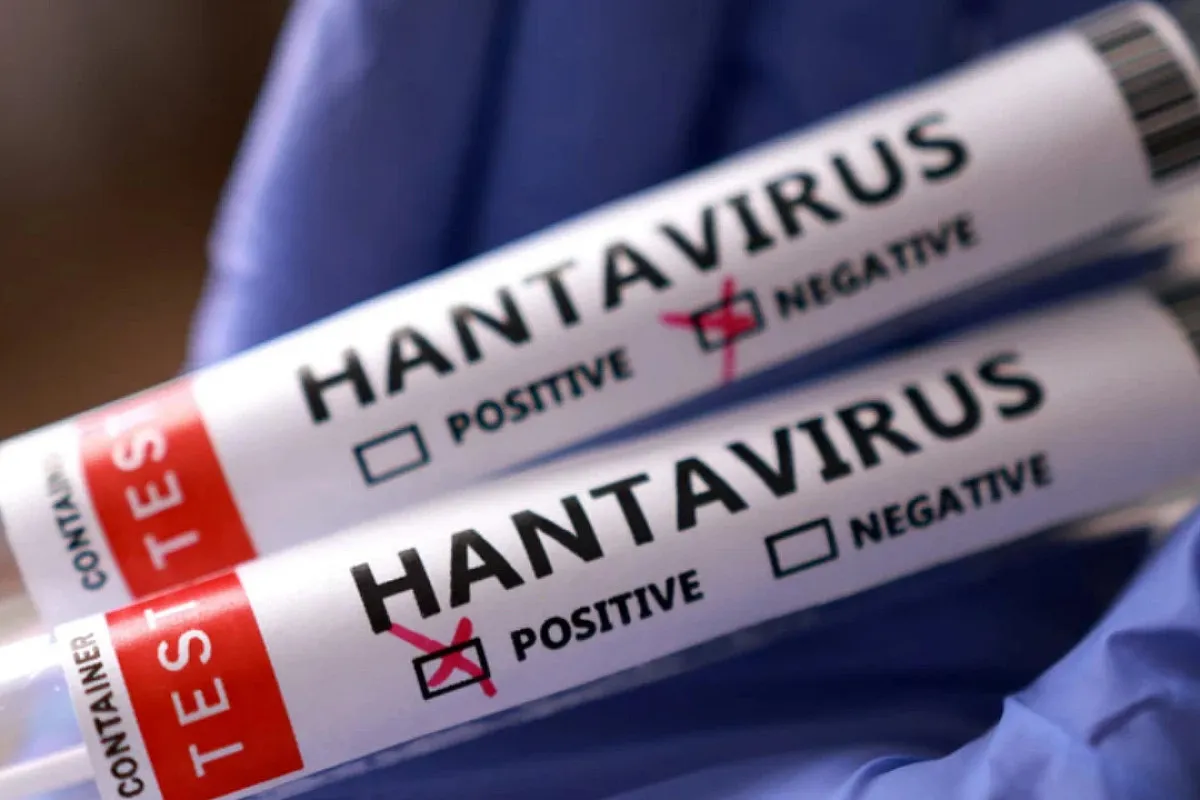
A hantavirus case confirmed Monday by Panama’s Ministry of Health involves a 40-year-old woman from the community of Montero in Guararé district. The patient remains in intensive care as medical teams work to stabilize her lung function and overall condition.
Health officials said the woman began showing symptoms on October 10, one day after the seismic event that struck the region. The ministry emphasized the case has no connection to the earthquake.
Hantavirus Case Confirmed and Transmission Details
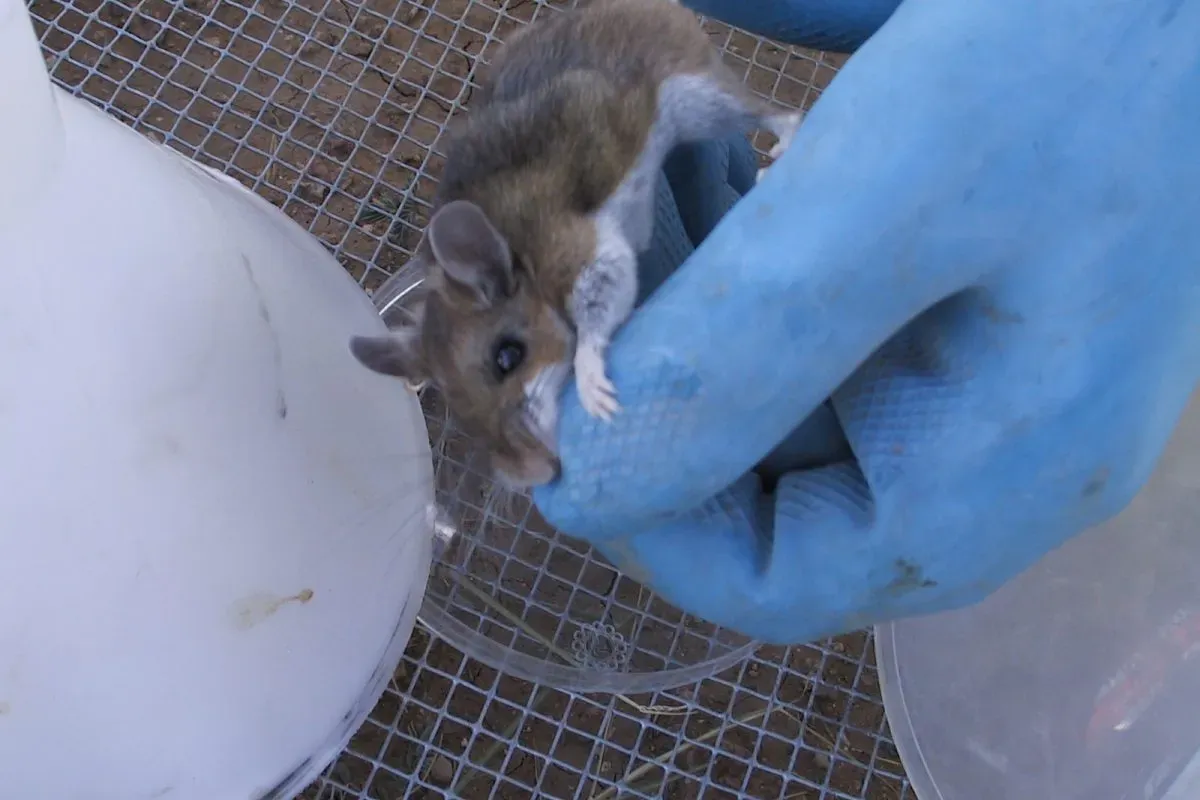
The Ministry of Health explained that hantavirus is transmitted by rodents, not from person to person. Initial symptoms are respiratory and typically appear between one and eight weeks after exposure to infected rodent droppings, urine, or saliva.
Epidemiological surveillance remains active in the area as authorities monitor for additional cases. The ministry issued a statement clarifying the timeline of symptom onset to dispel any public concern linking the illness to the October 9 earthquake.
Patient Status and Medical Response
Medical personnel are performing procedures aimed at improving the patient’s pulmonary function. Her condition requires continuous monitoring in the intensive care unit, according to the health ministry.
Local health teams in Guararé have been alerted to strengthen prevention measures and community education about rodent control. Residents are urged to keep homes clean and store food properly to reduce contact with rodents that carry the virus.
Regional Context and Prevention Measures
Hantavirus cases in Panama typically occur in agricultural and rural areas where contact with wild rodents is more common. The Los Santos province, where Guararé is located, has reported sporadic cases in past years, particularly during harvest seasons.
Health authorities recommend ventilating closed spaces before entering, sealing gaps where rodents could enter homes, and avoiding sweeping areas that may contain dried rodent waste without proper protection. These measures reduce inhalation risk of viral particles.
The ministry continues to investigate the source of exposure while supporting the patient’s recovery. No additional cases have been reported in the region at this time.