


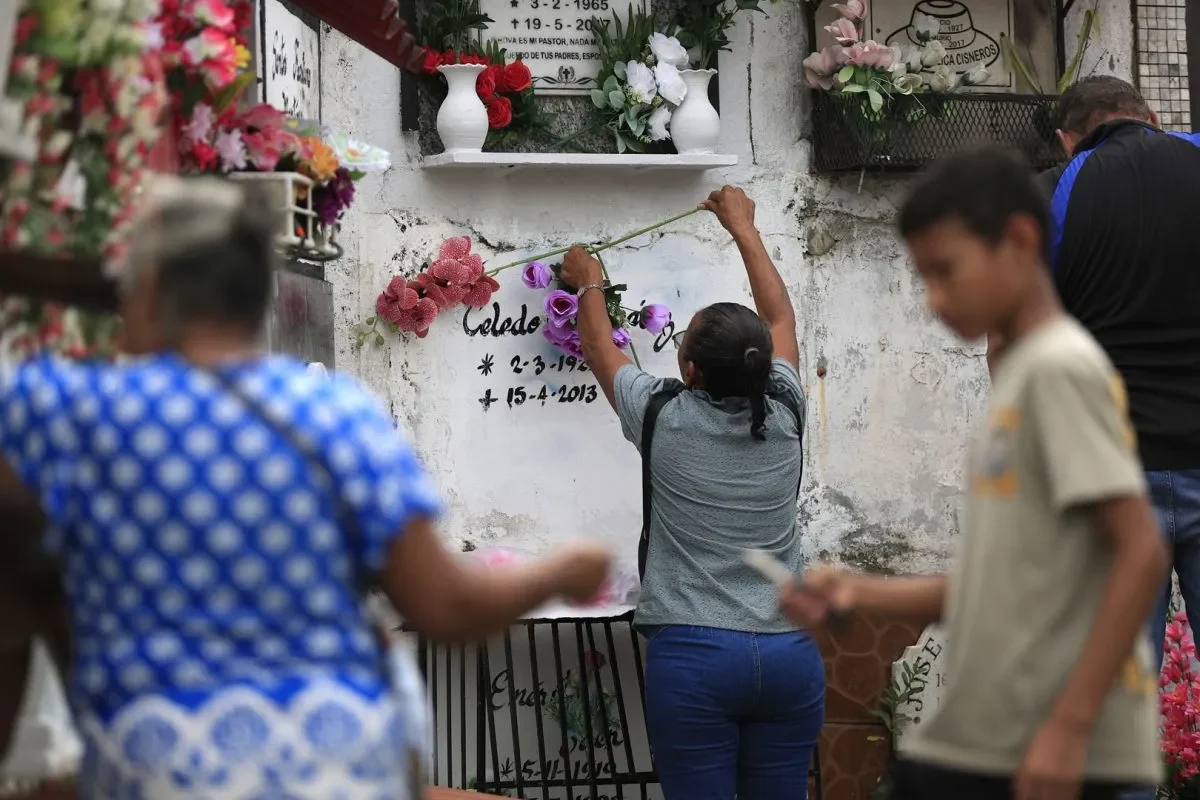
Panama City authorities will ban all amplified music and noise on Monday, November 2, 2026, for the Day of the Dead, enforcing a 12-hour quiet period to ensure a respectful commemoration Panama residents expect at local cemeteries. The municipal decree, published October 19 in the Official Digital Gazette, suspends any sound emissions from 6:00 a.m. to 6:00 p.m. across the capital district.
Unlike other Latin American countries where November 2 features festive gatherings, music, and colorful celebrations, Panama observes the date with measured restraint, treating it as a solemn day of mourning. The Municipality of Panama issued the restriction specifically to protect the dignity of families visiting graves and making pilgrimages to burial sites.

Municipal Decree and Noise Restrictions
Mayoral Decree No. 8, dated October 6, 2026, prohibits the use of music boxes, symphonies, and other musical instruments throughout the 12-hour window. The ban also covers dance activities accompanied by orchestras, mobile units, ensembles, or any other musical broadcasting methods.
Enforcement falls to municipal inspectors, compliance officers, and the Municipal Police, who may request support from public security forces when necessary. Violators face fines ranging from B/.100 to B/.1,000, according to the established municipal regulations.
The decree clarifies that the suspension does not exempt anyone from complying with other national and municipal noise regulations already in force. This layered enforcement approach ensures the quiet period remains absolute during cemetery visiting hours.
Legal Framework and Civic Recognition
The Day of the Dead holds official civic status in Panama under Law 26 of 1941, later modified by Law 14 of 1955. This legal recognition distinguishes the date as a national observance rather than a religious holiday alone, requiring public institutions to acknowledge its significance.
The municipality also urged residents to maintain moderate, respectful, and empathetic behavior during the commemoration. This call for collective restraint reflects Panama’s broader cultural approach to death and remembrance, which prioritizes quiet reflection over celebratory expressions common elsewhere in the region.
Enforcement and Community Expectations
Local officials anticipate high cemetery traffic as families gather to clean graves, leave flowers, and spend time remembering deceased relatives. The noise ban creates conditions for private grief and family conversation without the intrusion of commercial music or festive sounds.
The measure applies uniformly across Panama City’s jurisdiction, covering both public and private cemetery grounds where visitations typically occur. Inspectors will monitor compliance throughout the day, with particular attention to areas near burial sites and access routes.
Residents who violate the ordinance risk immediate fines, and repeat offenses may trigger additional penalties under municipal code provisions. The city government framed the enforcement as protective rather than punitive, emphasizing the need to honor those who mourn.