


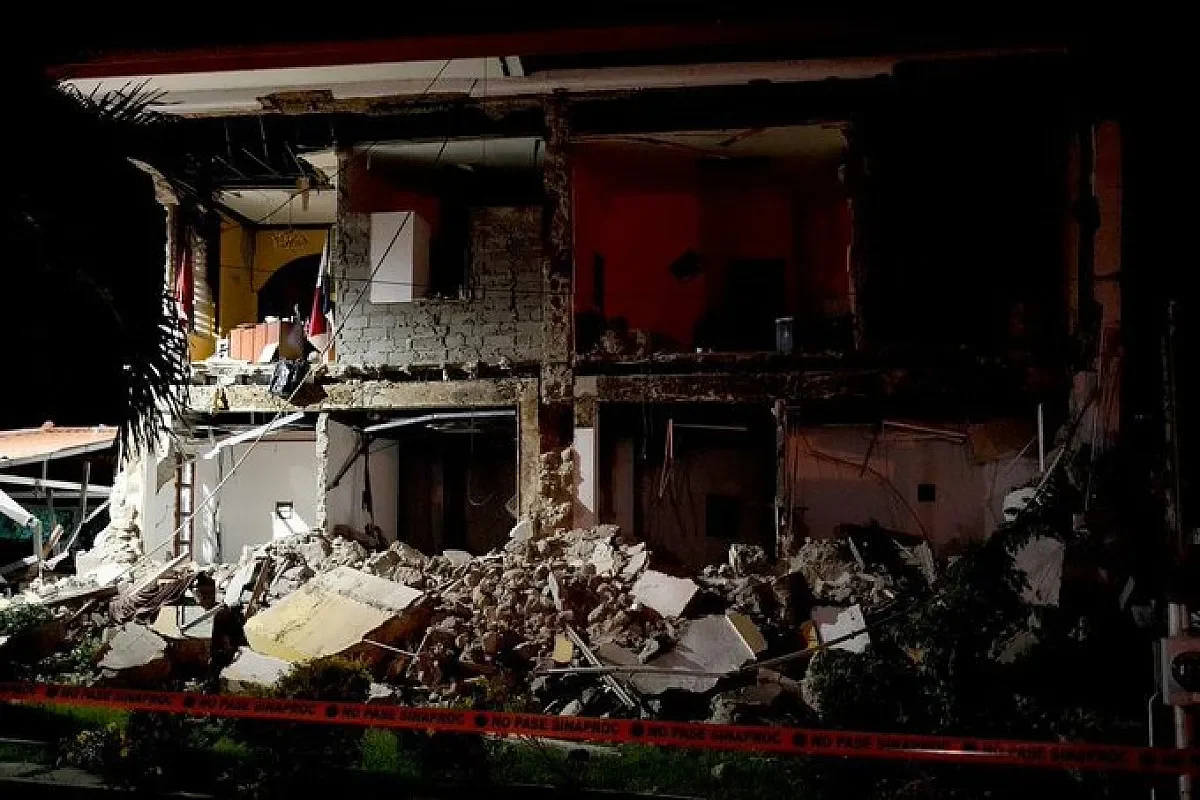
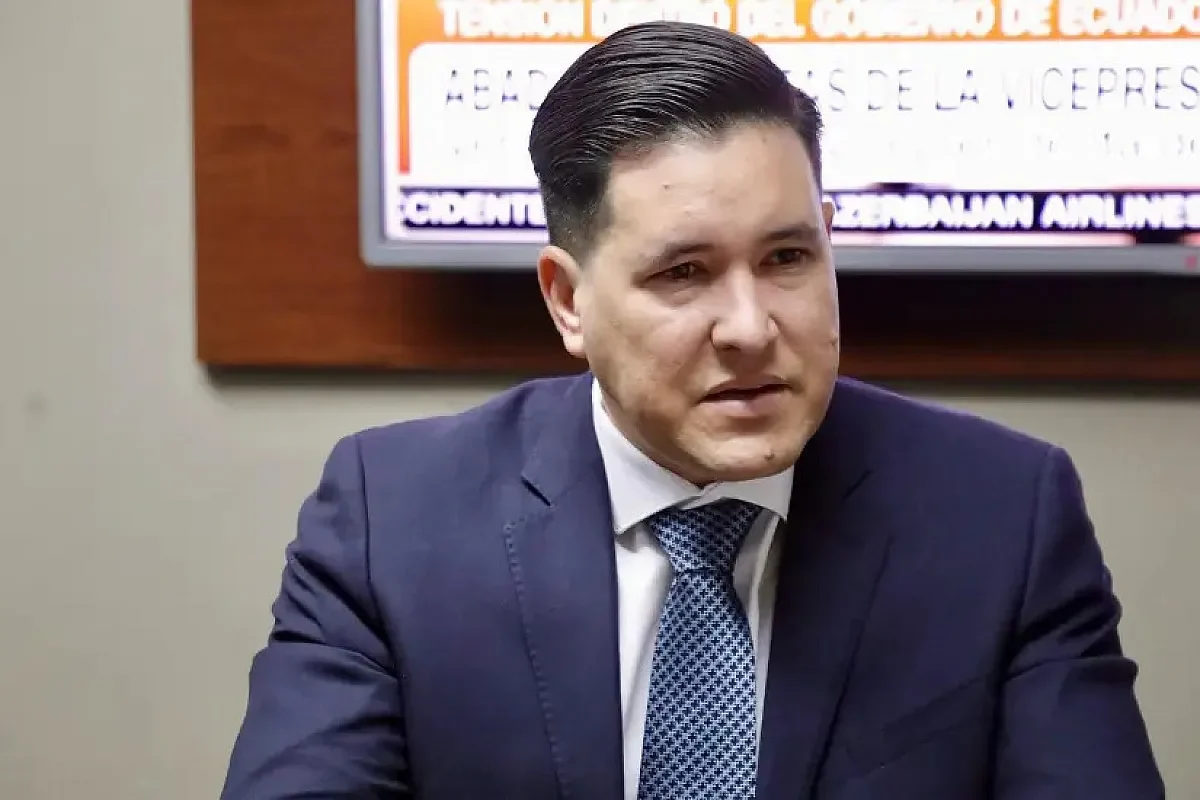
Local governments across Panama’s central provinces are racing to manage earthquake damage reconstruction nearly two weeks after a powerful tremor struck Los Santos, Herrera, Veraguas, Chiriquí and Coclé. Miguel Batista, mayor of Pedasí and president of the Association of Mayors of Panama, said initial emergency funds are insufficient for the long-term recovery facing affected communities.
The October 9 earthquake displaced families, damaged homes and commercial buildings, and halted tourism activity in a region already struggling with unemployment above the national average. Batista said the immediate priority was shelter and restoring basic services, a phase now shifting toward debris removal and structural assessments.
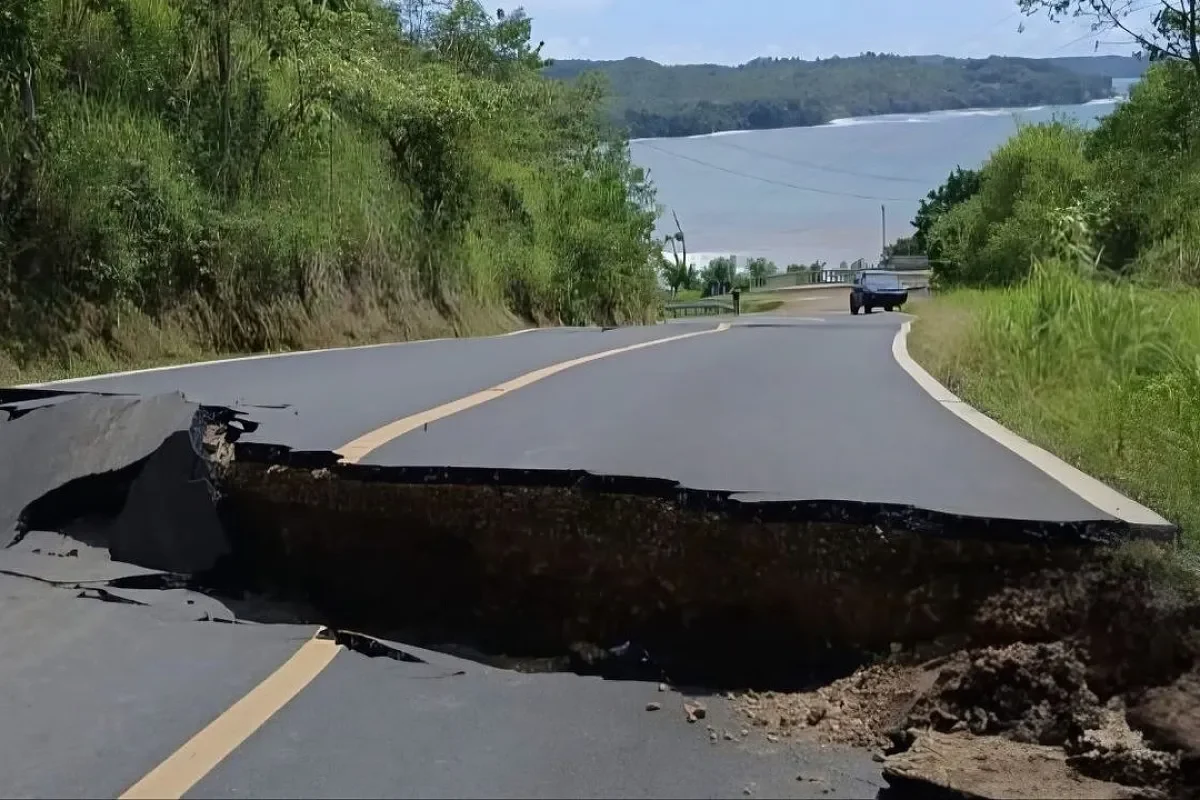
Earthquake Damage Reconstruction Faces Funding Gaps
Batista confirmed that a first allocation of $10,000 went to community boards and $20,000 to affected municipalities. He called the amounts important but inadequate for the scale of rebuilding required. The Comptroller’s Office has disbursed $2.48 million to 228 local governments for emergency response, yet mayors say evaluations of structural damage need to move faster.
The economic baseline before the disaster complicates recovery. More than 80 percent of households in the Azuero region reported family income below $800 per month, and the area ranked third nationally in unemployment. Batista emphasized that earthquake damage reconstruction cannot succeed without addressing these pre-existing vulnerabilities.
Support from Panamanian citizens and several embassies has provided tents, portable bathrooms and electric plants for shelters. But the mayor stressed that assistance must continue after public attention fades.
“The great fear many of us have is that this fever lasts a short time and then they forget about us in the interior of the country” [Translated from Spanish]
Tax Relief Measures Target Tourism and Housing Recovery
The Pedasí Municipal Council approved sweeping tax exemptions to jumpstart local recovery. October tax collections were eliminated entirely. Remodeling and construction permits for damaged homes, hotels and restaurants will be exempt from municipal taxes.
These measures aim to help families rebuild residences while encouraging commercial operators to restore tourism infrastructure. Batista noted that subsistence agriculture and folkloric events provided critical income for many families during this period, both now disrupted by the earthquake.
Tourism has taken a direct hit. Trips to Isla Iguana remain suspended and whale watching season has ground to a halt. The mayor called on Panamanians to visit domestic destinations and support local businesses as a direct form of economic aid.
Coordination Challenges Slow Recovery Timeline
Batista highlighted communication gaps between authorities as a barrier to efficient earthquake damage reconstruction. Faster damage assessments would accelerate the arrival of assistance, he said, but current coordination remains fragmented across municipal, provincial and national agencies.
The recovery plan must go beyond rebuilding houses, according to the mayor. Private sector investment needs incentives to return. Hotels and restaurants require support to reopen. Families need income sources restored, not just repaired walls.
#NoticiasTVN Temblor en Panamá: Alcalde de Pedasí teme que el interior quede olvidado; pide más recursos para la recuperación https://t.co/ypiEhn957z
— TVN Noticias (@tvnnoticias) October 22, 2026
The Association of Mayors of Panama is pressing for a structured economic recovery program that addresses both immediate reconstruction and long-term regional development. Batista’s warning reflects broader concern among interior municipalities that disaster response resources concentrate in urban centers and dissipate quickly.
With the emergency phase winding down, local leaders face the harder task of sustaining momentum for a recovery that could take years. The tax relief measures in Pedasí represent one approach to keeping economic activity alive while families and businesses rebuild. Whether national authorities match that commitment with sustained funding remains the central question for affected communities.