


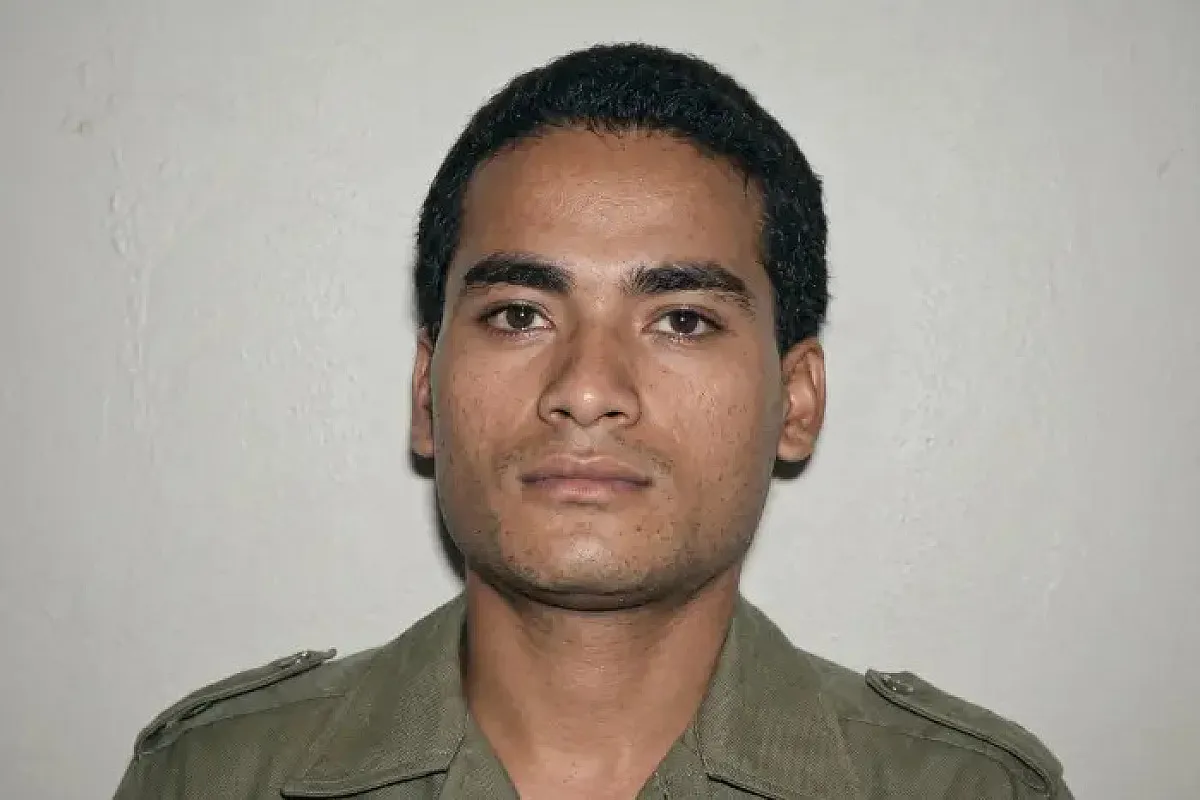
The remains of Roberto Adolfo Aparicio Oliva, a 21-year-old soldier killed during the 1989 U.S. military invasion of Panama, have been scientifically identified, ending a search that stretched across more than three decades. The announcement came from the December 20 Commission, which oversees efforts to account for Panama invasion victims whose fates remained unresolved.
Forensic specialists faced significant obstacles because the remains were heavily carbonized, a condition that typically destroys genetic material. Despite these challenges, the Guatemalan Forensic Anthropology Foundation extracted viable DNA and built a genetic profile. Panama’s Institute of Legal Medicine and Forensic Sciences then matched that profile against reference samples provided by relatives.

Panama Invasion Victims and the 1989 Military Operation
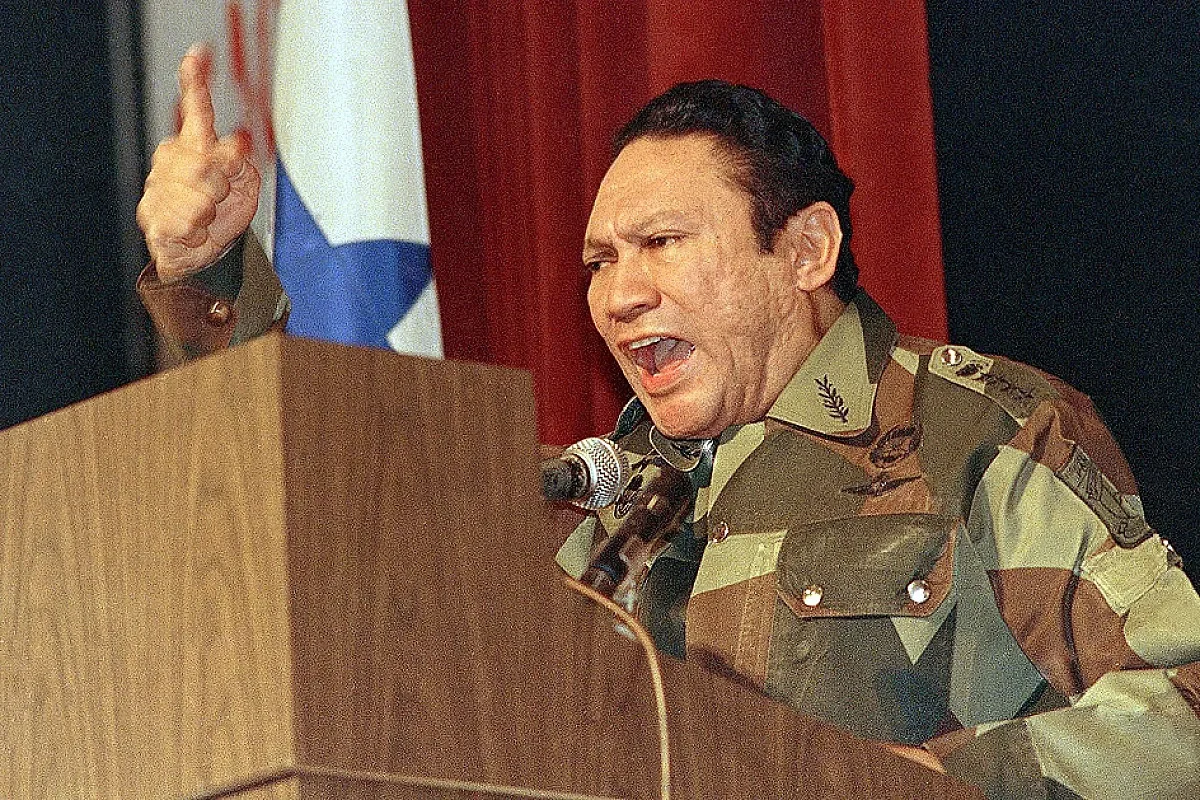
The U.S. invasion, launched on December 20, 1989 under Operation Just Cause, targeted the Panamanian Defense Forces and resulted in hundreds of civilian and military deaths. Entire neighborhoods, particularly El Chorrillo, were devastated by fire and combat. For years afterward, families searched hospitals, morgues, and cemeteries without official answers about their missing relatives.
Aparicio Oliva served in Battalion 2000, based in Chepo, but was assigned to the Central Barracks of the Defense Forces at the time of the invasion. He belonged to the reconnaissance section. Days after the fighting began, his family learned he had died in El Chorrillo, but no one could tell them where his body had been taken.

A Search Spanning Hospitals, Cemeteries, and Mass Graves
His parents, Félix Adolfo Aparicio Pérez and Lidia Maritza Oliva Gómez, along with other relatives, spent years visiting hospitals and cemeteries and requesting exhumations. Eventually they received information suggesting he had been buried in a common grave at the Jardín de Paz cemetery. That lead, combined with the forensic work now completed, finally confirmed his identity.
The identification allows Aparicio Oliva’s remains to receive a dignified burial under his own name. He was posthumously promoted from agent to second corporal through Decree No. 228 of May 31, 1990. The family resided in Cerro Batea, in the district of San Miguelito.
La Comisión 20 de Diciembre de 1989 informa que fueron identificados los restos de Roberto Adolfo Aparicio Oliva, un joven que falleció a los 21 años durante la invasión militar de Estados Unidos a Panamá, registrada el 20 de diciembre de 1989. Detalla que Roberto Aparicio pertenecía al Batallón 2000 con sede en Chepo, pero se encontraba prestando servicio en el Cuartel Central de las Fuerzas de Defensa, y días después de la invasión sus familiares fueron informados sobre su fallecimiento en el sector de El Chorrillo, sin embargo, no pudieron localizar sus restos y tras una larga búsqueda en cementerios y hospitales, recibieron información de que había sido sepultado en una fosa común en el Jardín de Paz. “Después de más de 36 años de incertidumbre, su identificación ofrece una respuesta a su familia y sus restos podrán recibir digna sepultura con su identidad plenamente establecida”, indica la Comisión 20 de Diciembre de 1989. Explica que la identificación de Roberto Aparicio fue un desafío debido al estado de carbonización en que se encontraban los restos. La Fundación de Antropología Forense de Guatemala (FAFG) logró extraer ADN mediante procedimientos especializados y consiguió un perfil genético que posteriormente fue comparado por el Instituto de Medicina Legal y Ciencias Forenses (IMELCF) con las muestras de referencia aportadas por familiares de las víctimas.
— Telemetro Reporta (@TReporta) October 24, 2026
Official Recognition and Broader Forensic Efforts
The identification emerged from an investigation led by the Public Ministry, with scientific support from Panama’s forensic institute. The December 20 Commission framed the result as part of a wider effort to clarify what happened to those killed during the invasion and to give families long-awaited closure.
“The scientific identification will allow his remains to receive a dignified burial with his identity fully established, after more than three decades of uncertainty for his loved ones” [Translated from Spanish]
This case highlights the continuing work to identify Panama invasion victims whose remains were buried without documentation or proper records. Forensic anthropology teams from Guatemala have assisted in several such efforts across Latin America, applying techniques developed after decades of armed conflict in the region.
Legacy of the December 20 Invasion
The identification of Aparicio Oliva adds one more name to the historical record of a conflict that reshaped Panama’s political landscape. While the exact death toll remains disputed, human rights organizations estimate that hundreds of Panamanians died during the operation. Many families still await answers about loved ones who disappeared in the chaos of those December days.
For the Aparicio Oliva family, the confirmation brings a measure of resolution. After 36 years, Roberto Adolfo Aparicio Oliva can finally be laid to rest with the recognition and honor his service and sacrifice deserved.